Collateral Reviewed
Equipment location, current payoff, lien status, value support, and how the asset is used in the business.


Cash tied up in equipment is cash that cannot grow your business. Omaha operators running construction crews, ag fleets, and trucking routes have equity in their iron right now, and a cash-out equipment refinance is how they put that equity to work without selling the asset or stalling operations. Funding typically runs about one to two weeks from a complete application.
Omaha sits at a real economic crossroads. It is a major agribusiness hub, home to large grain processing and food production operations that run capital-intensive equipment year-round. The metro's construction sector has been active with new distribution center development along the I-80 corridor and ongoing downtown riverfront projects. And Omaha's trucking presence is significant: it is a Class I railroad center, and over-the-road carriers running Midwest freight routes call the metro a home base.
We fund equipment owners in Omaha and across eastern Nebraska from $50,000 to well above $1 million. New and used equipment qualifies. B and C credit is considered. Application-only deals are available up to roughly $400,000.
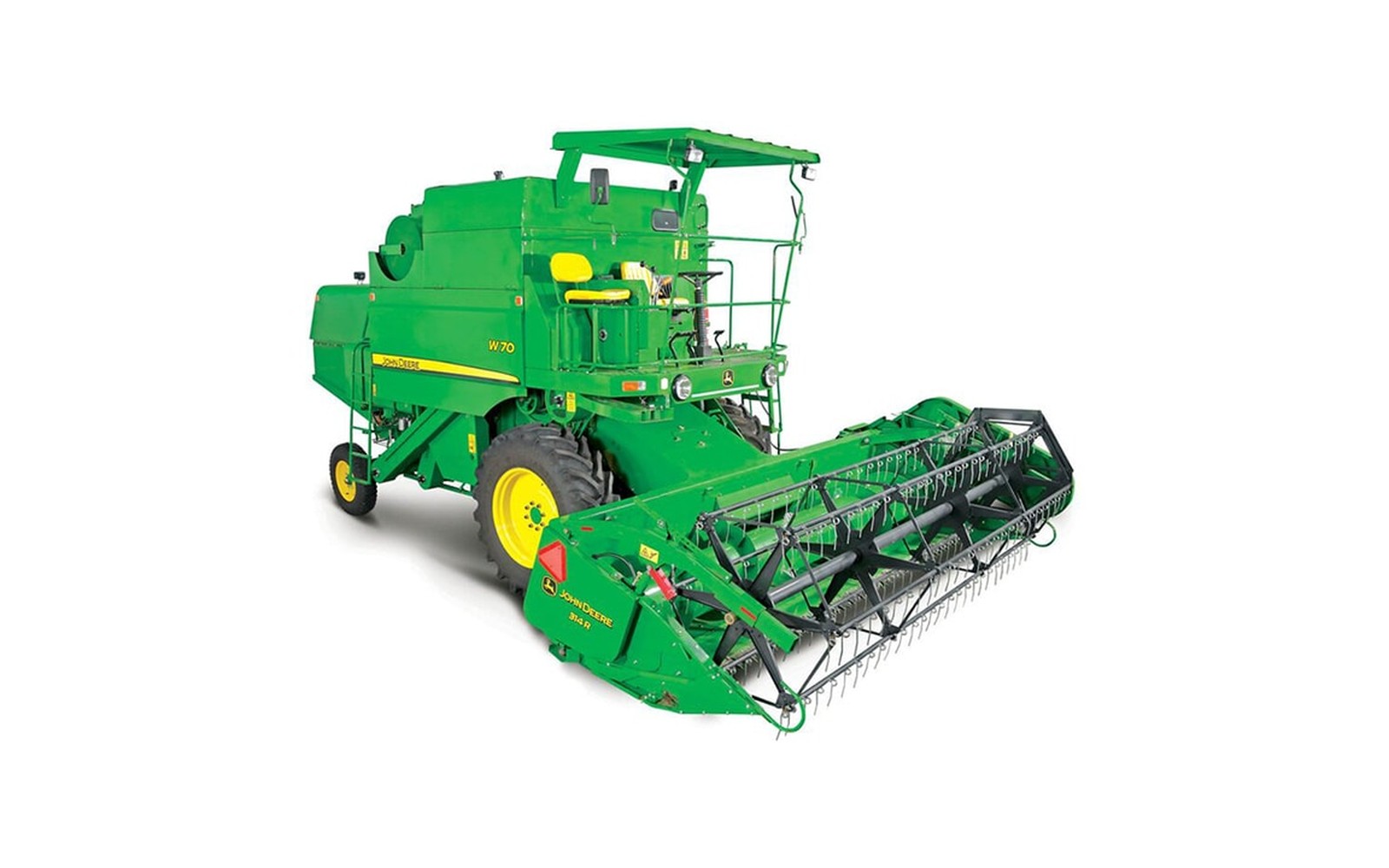
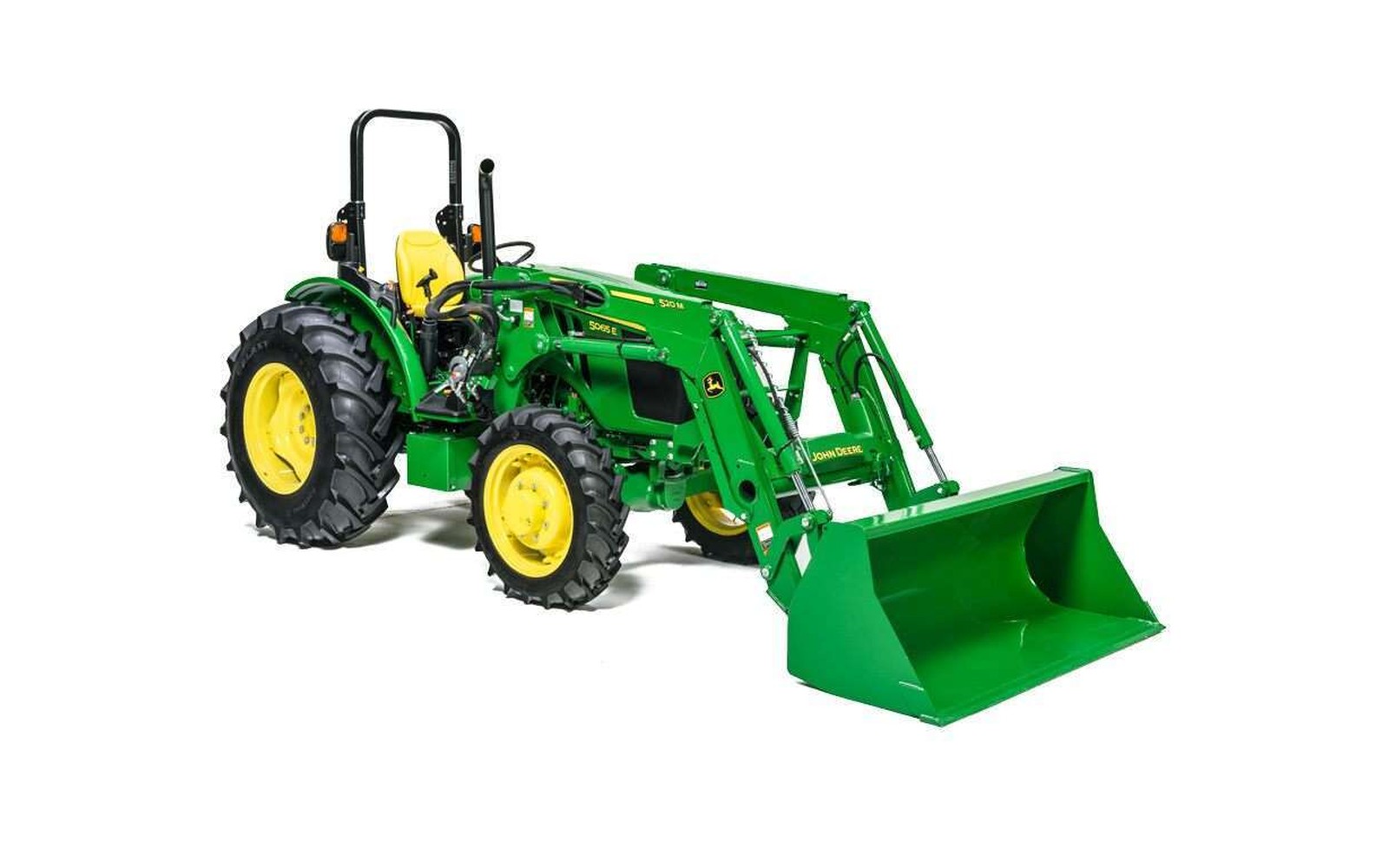
Agriculture is the backbone of Nebraska's economy, and Omaha is the commercial center for much of that activity. Farm equipment, including large row-crop tractors, combines, and grain-handling machinery, carries real lendable value, especially in the years after purchase when equity has built up but operational need remains high. Agricultural operators in the greater Omaha area use cash-out refinancing during the off-season to fund input purchases, land rent payments, or equipment additions before spring.
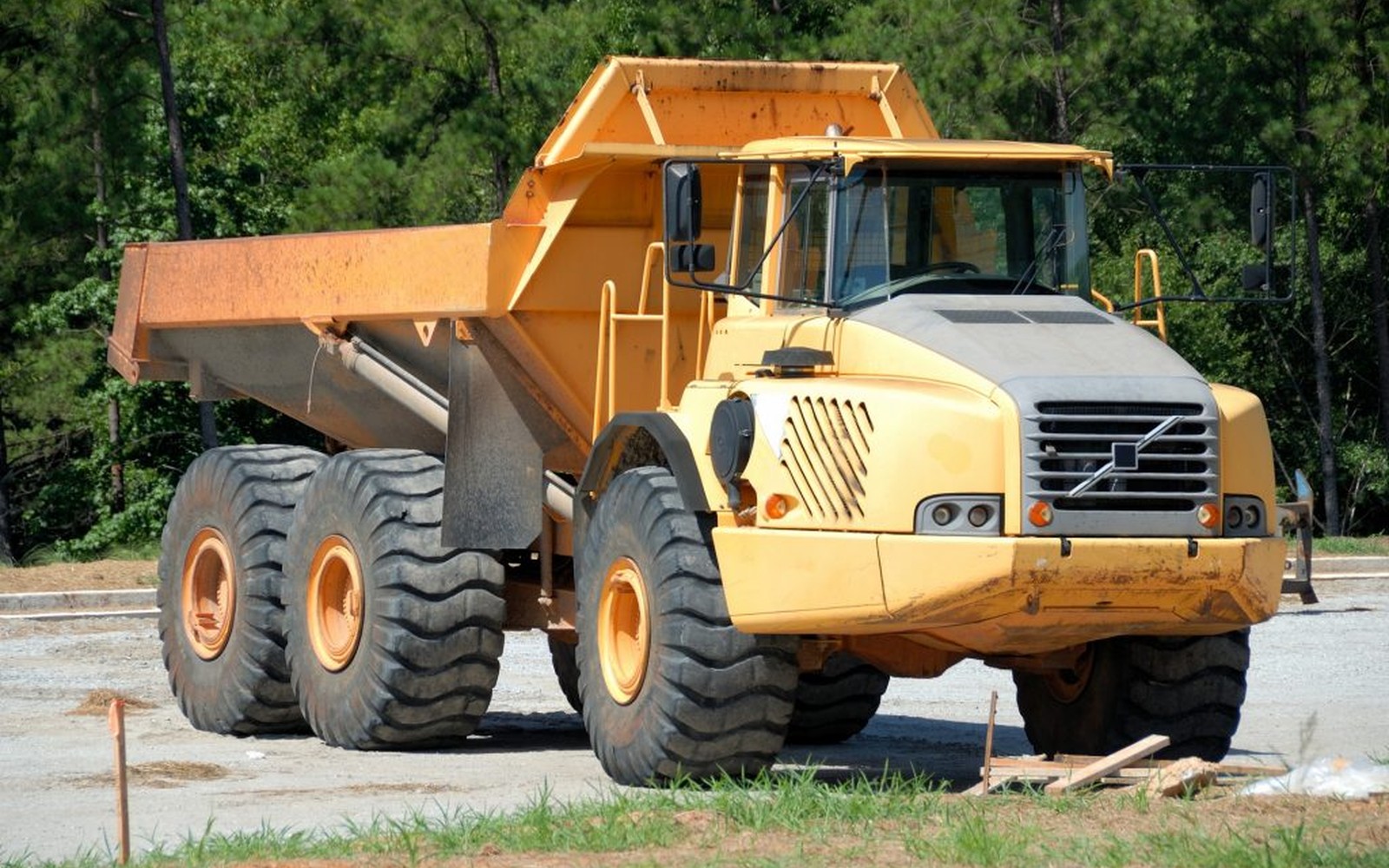
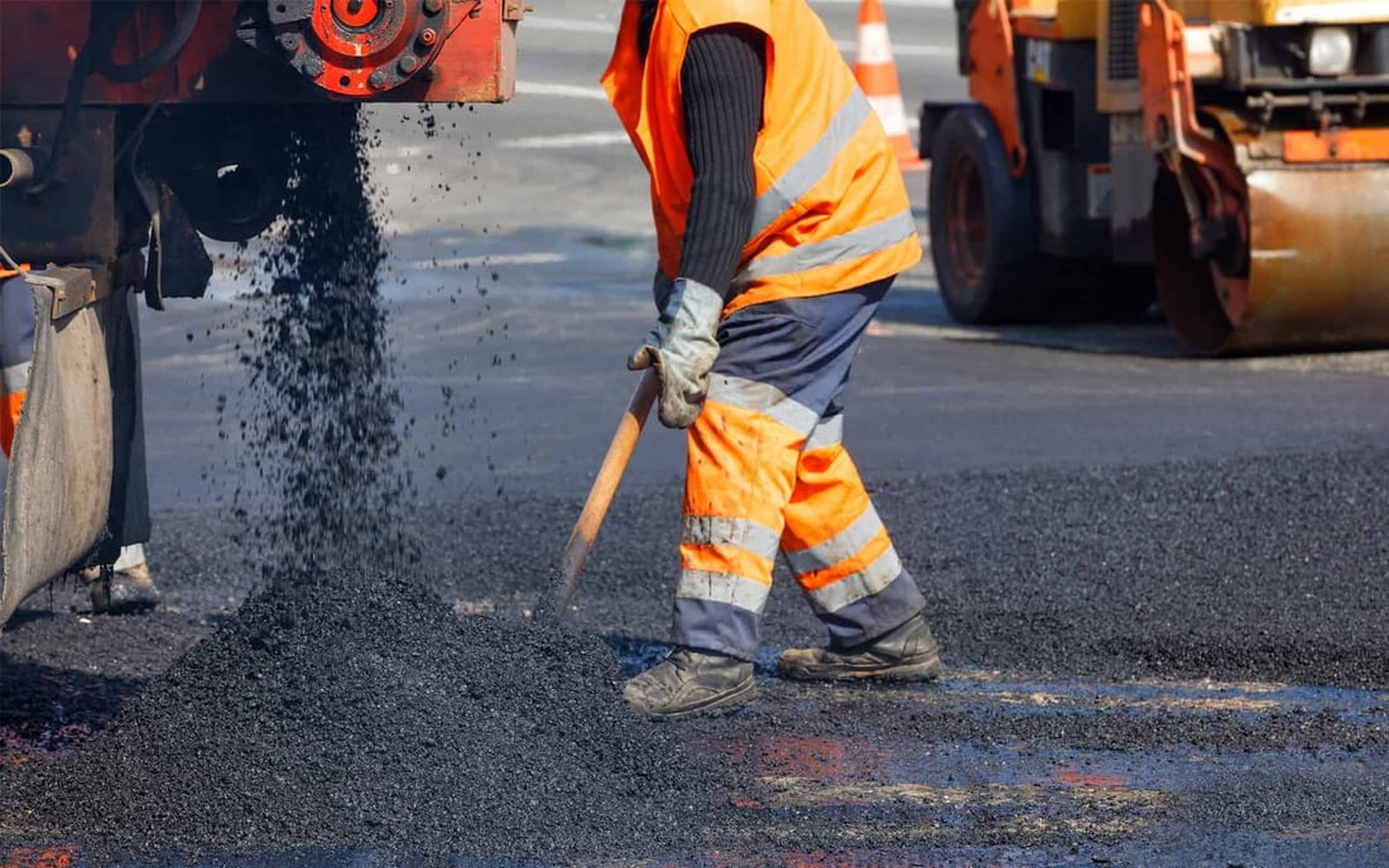
The construction market around Omaha benefits from a wave of warehousing and distribution facility construction that picked up with e-commerce expansion. Contractors running excavation and site-prep work on these large pads often carry significant equity in their excavators and compactors. Refinancing mid-project to fund the next mobilization or cover payroll during a slow billing period is a practical use of that equity.
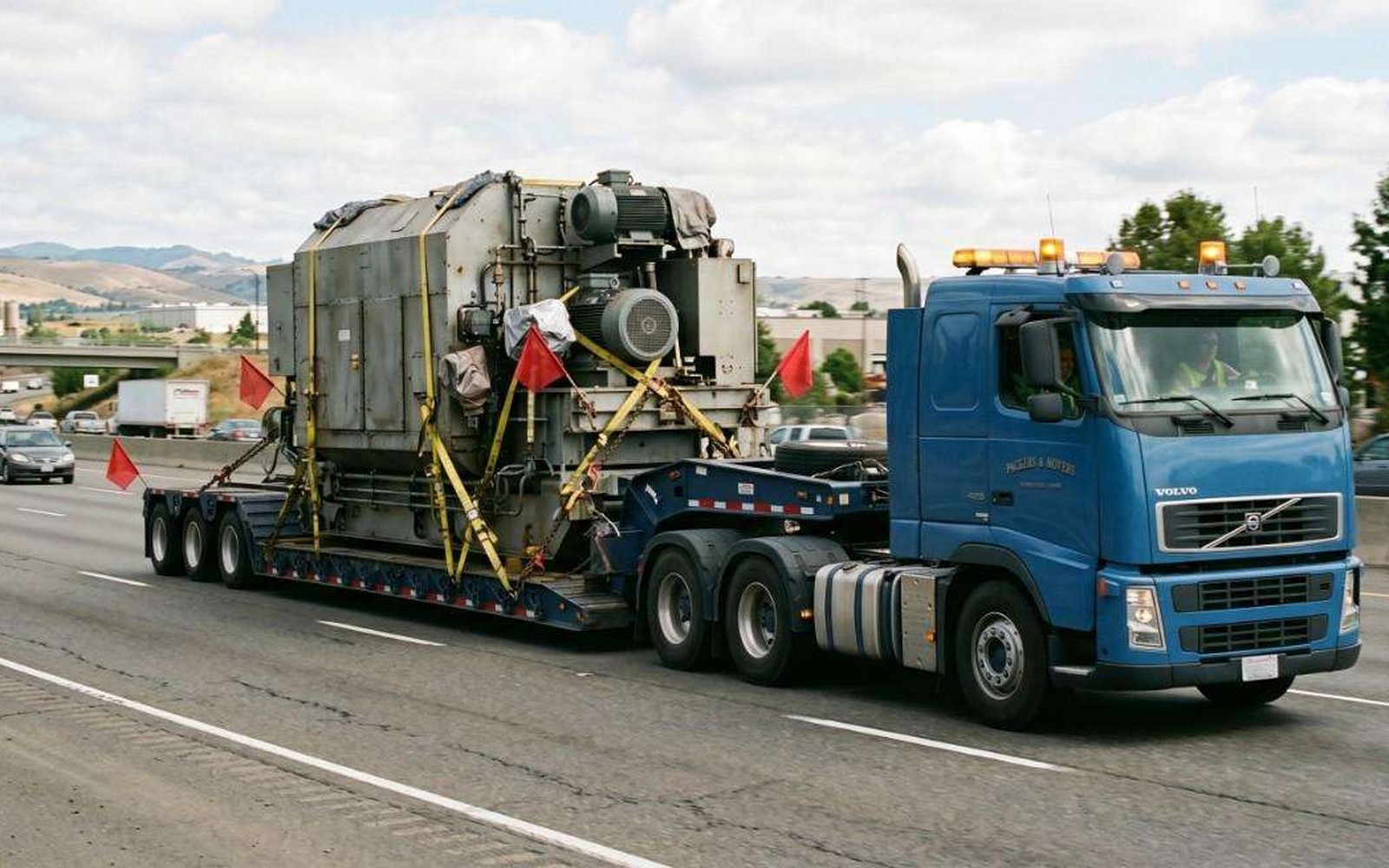
Trucking is equally relevant. Omaha is a Union Pacific hub, and the freight ecosystem around that includes hundreds of carriers and owner-operators running dry van and flatbed routes. A tractor with 300,000 miles and two years of payments behind it often still carries $50,000 to $80,000 in lendable equity.
We do not quote rates before we see the deal. That is honest advice, not a dodge. Cash-out refinancing rates depend on credit profile, equipment type and age, loan-to-value ratio, and the lender's appetite for the asset class at the time of your application. What we can tell you is that we work with multiple lenders and present your deal to the ones most likely to compete for it.
Term lengths on equipment refinancing typically run from 24 to 84 months depending on the asset's remaining useful life. A newer excavator might carry a 60-month term comfortably. An older truck might pencil at 36 or 48 months. We structure the term to keep monthly payments manageable without extending past the point where the machine's value has degraded below the loan balance.
Down payments are generally not required on a refinance since the equipment already serves as collateral. If there is an existing lien, it gets paid off at closing. Your net cash is the loan amount minus that payoff and any transaction fees. We give you a clear breakdown before you sign anything.
Most of the equipment we refinance in this market is used. That is not a problem. Used equipment refinancing is the majority of what we do, and our financing team prices used assets every day. The key variables are documented maintenance records, a verifiable market for the asset type, and sufficient equity above any existing lien.
In the Omaha market, used ag equipment holds value well because demand is strong and supply from retiring operators is consistent. Used construction iron is similar: the regional market for used excavators and wheel loaders is active, which means lenders can confidently place a value on the collateral. That confidence translates to better terms for you.
If you have a newer machine, the math is often even better. Equity builds fastest in the first few years on equipment that depreciates slowly, and refinancing during that window can maximize the cash you pull out relative to the remaining balance.
Ag cycles do not wait. Construction bid windows close fast. The freight market shifts before a traditional bank finishes its underwriting. We move on a different timeline. A complete application gets a term sheet in about 48 hours. Once you accept, we move to title search, value confirmation, and funding. Most deals close in one to two weeks from the day you submit.
The application itself is not a burden. For deals under $400,000, you need the application form and three months of business bank statements. We do not require a business plan, projections, or a formal appraisal to issue a term sheet. The appraisal happens after you accept terms, not before.
Compare this to a traditional bank, where the underwriting queue alone can run six to eight weeks. By the time a bank approves your refinance, the opportunity you needed the cash for may have passed. Speed is the real product here, not just competitive rates.
Tell us what you own and what you need the cash for. We will have a term sheet to you within 48 hours and can fund in about one to two weeks. $50,000 minimum, B/C credit considered. Explore related options: farm tractor refinancing and Equipment Sale-Leaseback are both available for Omaha operators.
These are the underwriting points the desk uses to turn the taxonomy page content into a real cash-out structure.
Equipment location, current payoff, lien status, value support, and how the asset is used in the business.
$50. The available cash is based on verified value minus the existing payoff.
1-2 weeks.
Most of the equipment we refinance in this market is used.
Yes. The new lender pays off the existing loan at closing. You receive the difference between the new loan amount and the payoff. The net cash is what you walk away with. You need enough equity above the existing lien to make the deal work financially.
Yes. The equipment stays in your possession and operation throughout the process. There is no downtime. The title work and funding happen in the background while the machine keeps working.
We have lenders who work with scores in the 580 to 700 range and above. B and C credit is a real option, not a last resort. The equipment value and your cash flow are weighted heavily alongside the credit profile.
They use a combination of industry guides, auction data, and in some cases an on-site or desktop appraisal. For common asset types like tractors and excavators, market data is readily available. For more specialized equipment, we may need additional documentation.
It depends on the lender and the specific deal. Some lenders have prepayment terms; others do not. We disclose this clearly before you sign. If early payoff is important to you, tell us up front and we will prioritize lenders without that restriction.
Send the machine, payoff, and target cash-out amount. We will review the file and come back with rate, term, payment, and net proceeds.
Tell us what you are buying, who is selling it, and when you need it earning. We will review the file and point you to the next step.