Collateral Reviewed
Komatsu Equipment Refinancing equipment value, model mix, payoff, serial information, hours or mileage, and dealer or auction support.

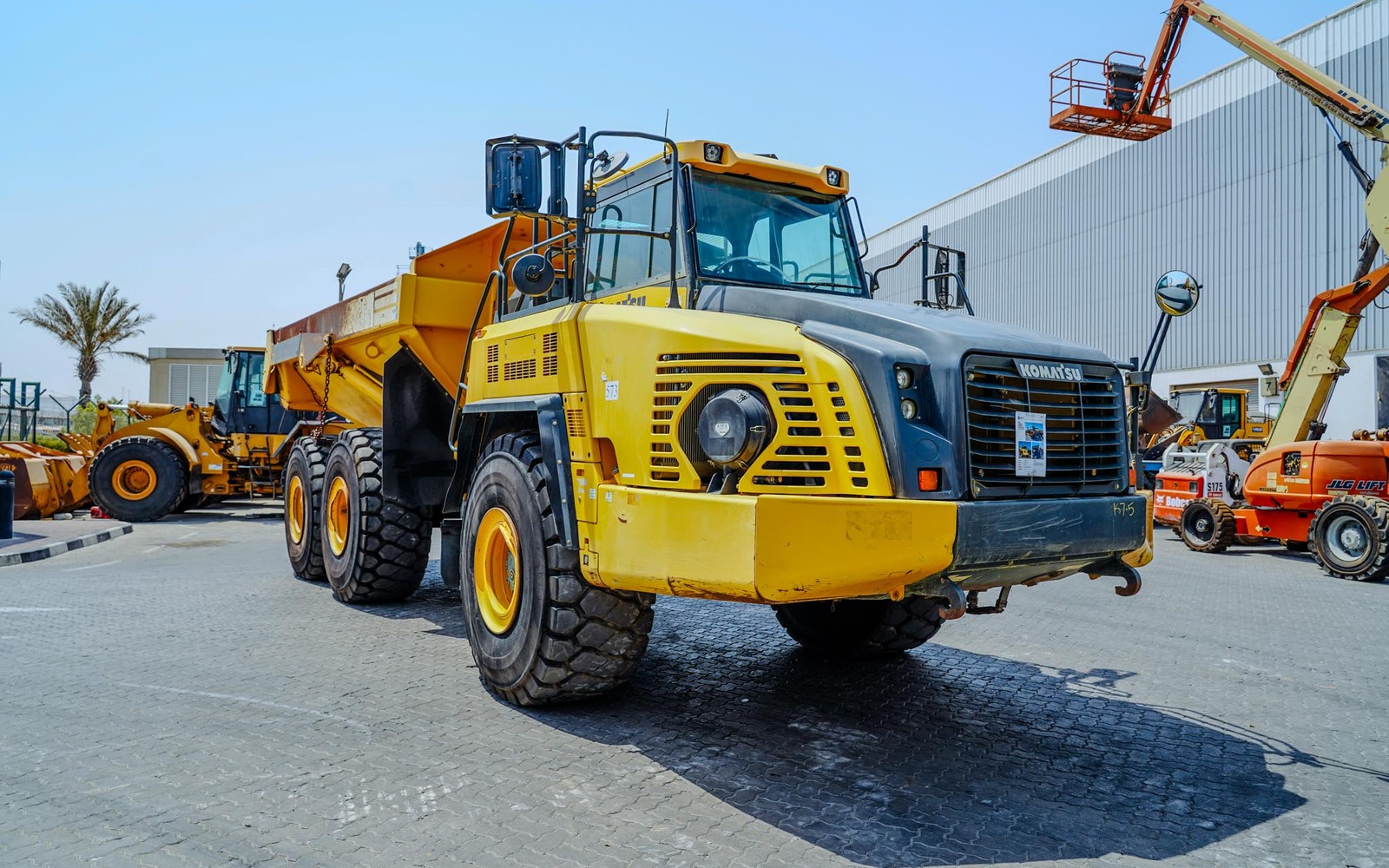
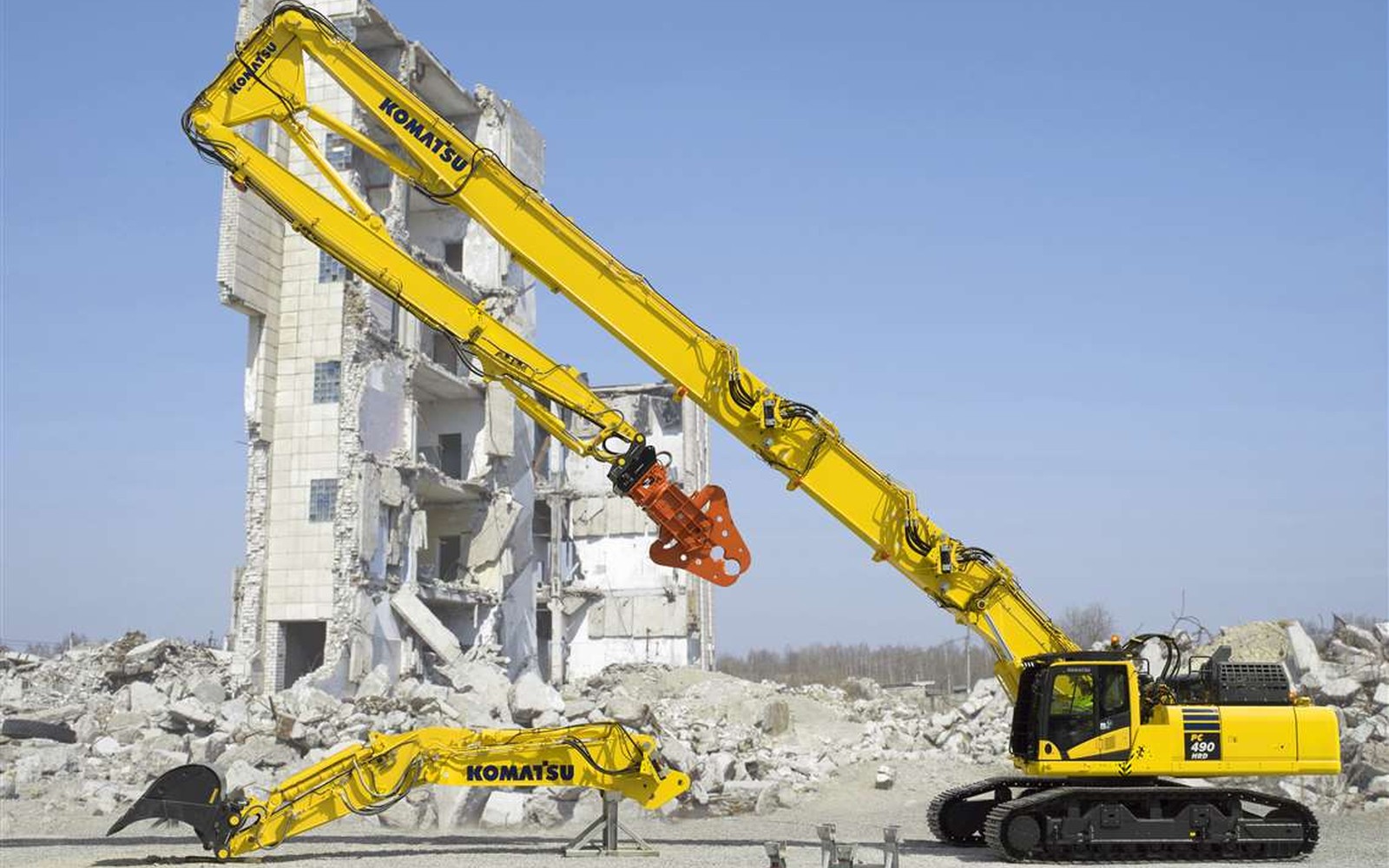
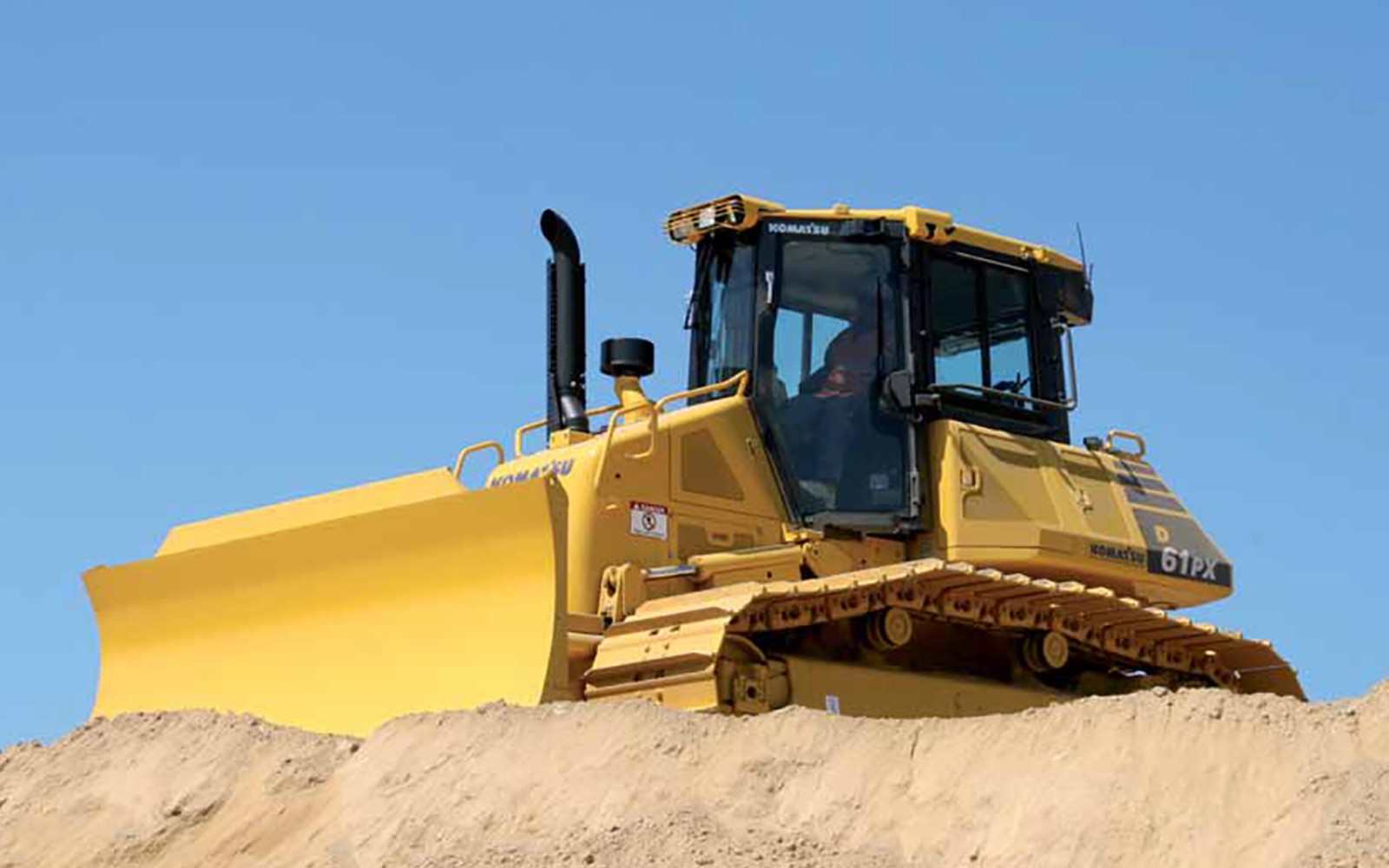
Komatsu operators carry serious iron. A PC360 excavator, a D61 dozer, a large wheel loader in a quarry setting, these machines represent significant capital. The equity inside paid-off or low-lien Komatsu equipment is real money, and a cash-out refinance puts it to work without disrupting your fleet or your operations.
We see Komatsu equipment across excavation, mining, aggregate production, and heavy construction. The machines command strong appraisal values globally, and that liquidity translates directly into how much we can advance against them. If your Komatsu iron has equity in it, we can structure a transaction that extracts it on terms that make sense for your business's cash flow.
Komatsu's product line spans utility excavators up through mining-class machines, and the refinancing potential varies accordingly. The highest-equity opportunities we process on Komatsu iron look like this:
Komatsu's reputation for quality and reliability underpins its resale market. That market stability is what makes these assets strong collateral. Lenders can move a Komatsu machine if needed, which is what makes them willing to lend against it.
Komatsu's global market position as one of the two largest construction equipment manufacturers by volume gives it a resale advantage. Machines that have a global buyer pool hold value better than regional-brand equipment. Whether a Komatsu excavator is appraised for a North American refinance or considered by a buyer in South America or Asia, the demand base is broad.
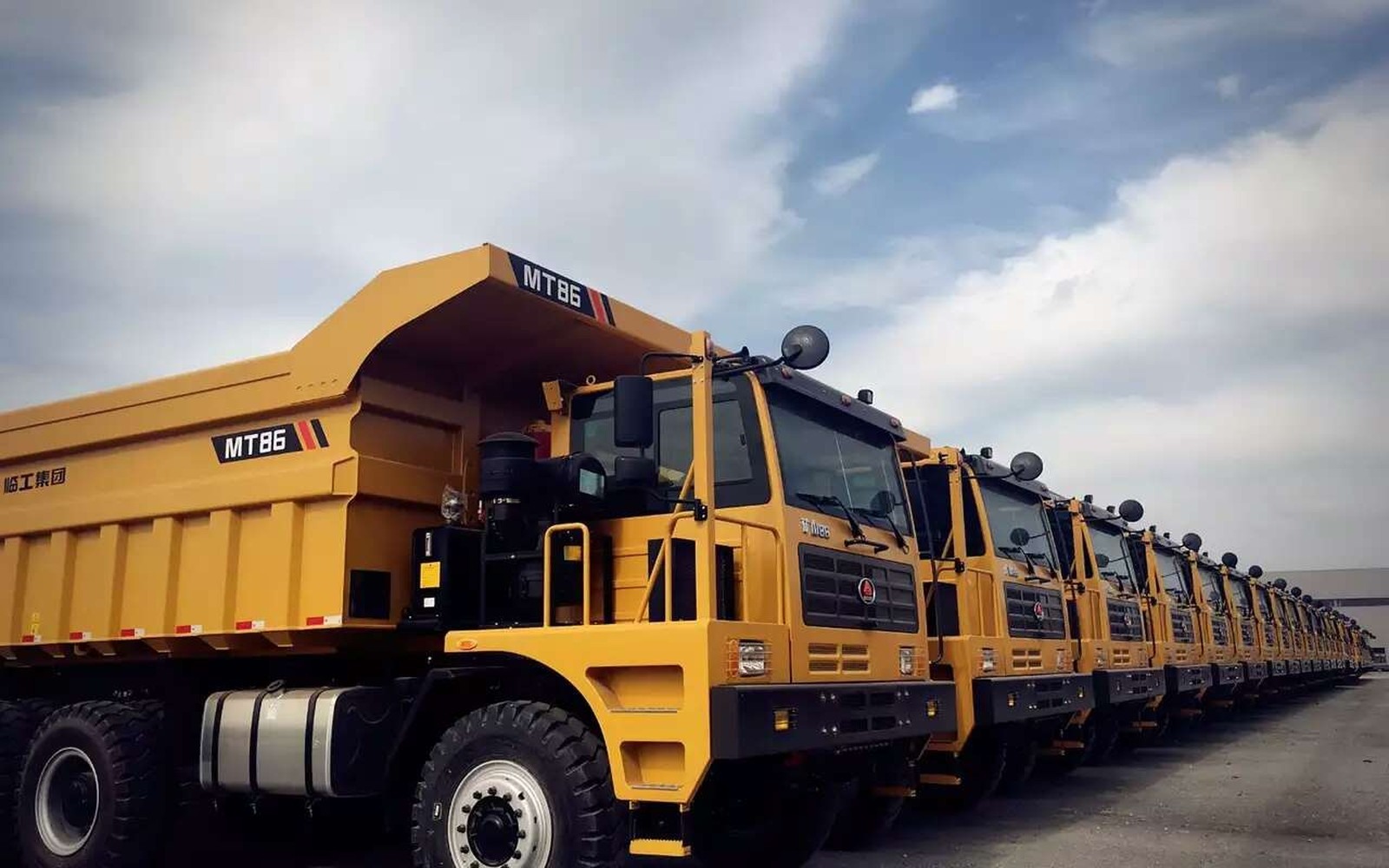
For operators in the mining and aggregates sector, Komatsu's presence in large mining equipment adds another layer of borrowing power. Larger Komatsu equipment used in production mining, quarrying, and aggregate processing has a distinct buyer market that sustains values even at high hours.
This context matters because lenders price risk based on their ability to move the collateral. Komatsu's broad market makes them comfortable. That comfort flows through to you as better advance rates and better terms on a refinance transaction.
Two structures dominate Komatsu refinancing. A cash-out refinance replaces or supplements the existing lien with a new note for more than the payoff, and you pocket the difference. Title stays with you throughout. A Equipment Sale-Leaseback transfers title to the finance company and gives you a lease back on the same machine. You get the full liquidation value as cash upfront, but you are now making lease payments rather than loan payments.
The better structure depends on your tax situation, balance sheet goals, and how you think about ownership. Both structures leave the machine in your yard. Both put cash in your account. The mechanics, tax treatment, and monthly obligation differ. We can model both scenarios so you see the numbers side by side before you choose.
For construction contractors with strong Komatsu fleets and a need for growth capital, the sale-leaseback often produces more cash in a single transaction than a straight refi. For operators who want to preserve ownership and build equity, the cash-out refinance is the cleaner path.
The decision between a cash-out refinance and a sale-leaseback on Komatsu equipment comes down to what you plan to do with the machine over the next several years. If the machine is central to your operation and you intend to keep it for the long term, the refinance preserves your ownership position while giving you capital access. If the machine is one of several and you are flexible on ownership structure, the leaseback delivers more cash upfront and moves the asset off your balance sheet, which can improve borrowing ratios for other purposes. We have seen operators in excavation and site work use both structures on different machines in the same fleet, matching the structure to each machine based on its role in the operation and the capital strategy. There is no universally right answer. The right answer optimizes cash flow and capital structure for your specific situation, and we can model both side by side for any Komatsu machine or fleet you bring to us.
The decision between a cash-out refinance and a sale-leaseback on Komatsu equipment comes down to what you plan to do with the machine over the next several years. If the machine is central to your operation and you intend to keep it for the long term, the refinance preserves your ownership position while giving you capital access. If the machine is one of several and you are flexible on ownership structure, the leaseback delivers more cash upfront and moves the asset off your balance sheet, which can improve borrowing ratios for other purposes. We have seen operators in excavation and site work use both structures on different machines in the same fleet, matching the structure to each machine based on its role in the operation and the capital strategy. There is no universally right answer. The right answer optimizes cash flow and capital structure for your specific situation, and we can model both side by side for any Komatsu machine or fleet you bring to us.
Term lengths on Komatsu refinance transactions typically run 24 to 60 months. Older machines or high-hour units may be structured at shorter terms to align with remaining useful life. Newer or low-hour equipment can often stretch to 60 months, which reduces the monthly payment even on a larger advance amount.
The advance rate, how much we lend as a percentage of appraised value, varies with machine age, hours, condition, and credit profile. Strong credit and a well-maintained machine with documented service history get the best advance rate. B/C credit situations are workable when the collateral value creates sufficient cushion.
We do not publish rates because they depend on too many variables. What we do is get you a real quote fast. Tell us the machine details and we come back with a number you can evaluate against your alternatives.
Operators who want to reduce their existing Komatsu debt payments rather than pull cash out have the option to refinance purely for rate-and-term improvement. If you financed a Komatsu excavator two or three years ago at a rate above the current market, a rate-only refinance lowers the monthly payment without adding to the principal balance. The same process applies: we evaluate the machine, determine the current payoff, and structure a new note at market terms. The savings over the remaining term can be substantial on a large Komatsu machine. An operator in Denver carrying a PC360 note at a high dealer rate from the original purchase may find that refinancing saves thousands of dollars over the life of the remaining payments, even without pulling any additional cash out. We model both the rate-only and cash-out structures so you can compare the options side by side before deciding which path serves the business better.
These are the underwriting points the desk uses to turn the taxonomy page content into a real cash-out structure.
Komatsu Equipment Refinancing equipment value, model mix, payoff, serial information, hours or mileage, and dealer or auction support.
$50. The available cash is based on verified value minus the existing payoff.
Same-day desk review once equipment, payoff, and bank statements are in.
Komatsu's product line spans utility excavators up through mining-class machines, and the refinancing potential varies accordingly.
Possibly. High hours reduce appraisal value but do not automatically disqualify a machine. We look at condition, model, and the current secondary market for that specific unit. Some high-hour Komatsu excavators still carry enough value to support a meaningful transaction.
Yes. Large Komatsu mining equipment including haul trucks and large excavators is within scope. Larger transactions typically require a full financial review and a formal appraisal, but the asset class is one we handle.
Prepayment terms vary by lender and structure. We make sure you understand the prepayment provisions before you sign. Some structures have a fixed fee for early payoff; others are open. We flag this clearly.
Not problematically. We typically require a personal guaranty from the principal owner regardless of entity structure, so this is normal. The machine just needs to be clearly titled in the entity we are lending to.
We use a combination of market data, auction results, and appraiser input. For larger transactions, we order a formal desktop or physical appraisal. The advance is based on that number, not on what you paid or what you think it is worth.
Share the model, year, hours, and any current lien. We come back with an equity estimate and a rate range, typically within one business day. No charge for the estimate, no obligation to close.
Tell us what you are buying, who is selling it, and when you need it earning. We will review the file and point you to the next step.