Collateral Reviewed
Komatsu D61 Dozer Refinancing value, serial, configuration, hours or mileage, payoff, and comparable sales.

The equity in your Komatsu D61 did not happen by accident. You made the payments, you maintained the machine, and the used market cooperated. Now that equity is a capital source. A refinancing transaction turns the payoff-to-value spread into cash in your business account, usually within two weeks, without interrupting a single day of blade work.
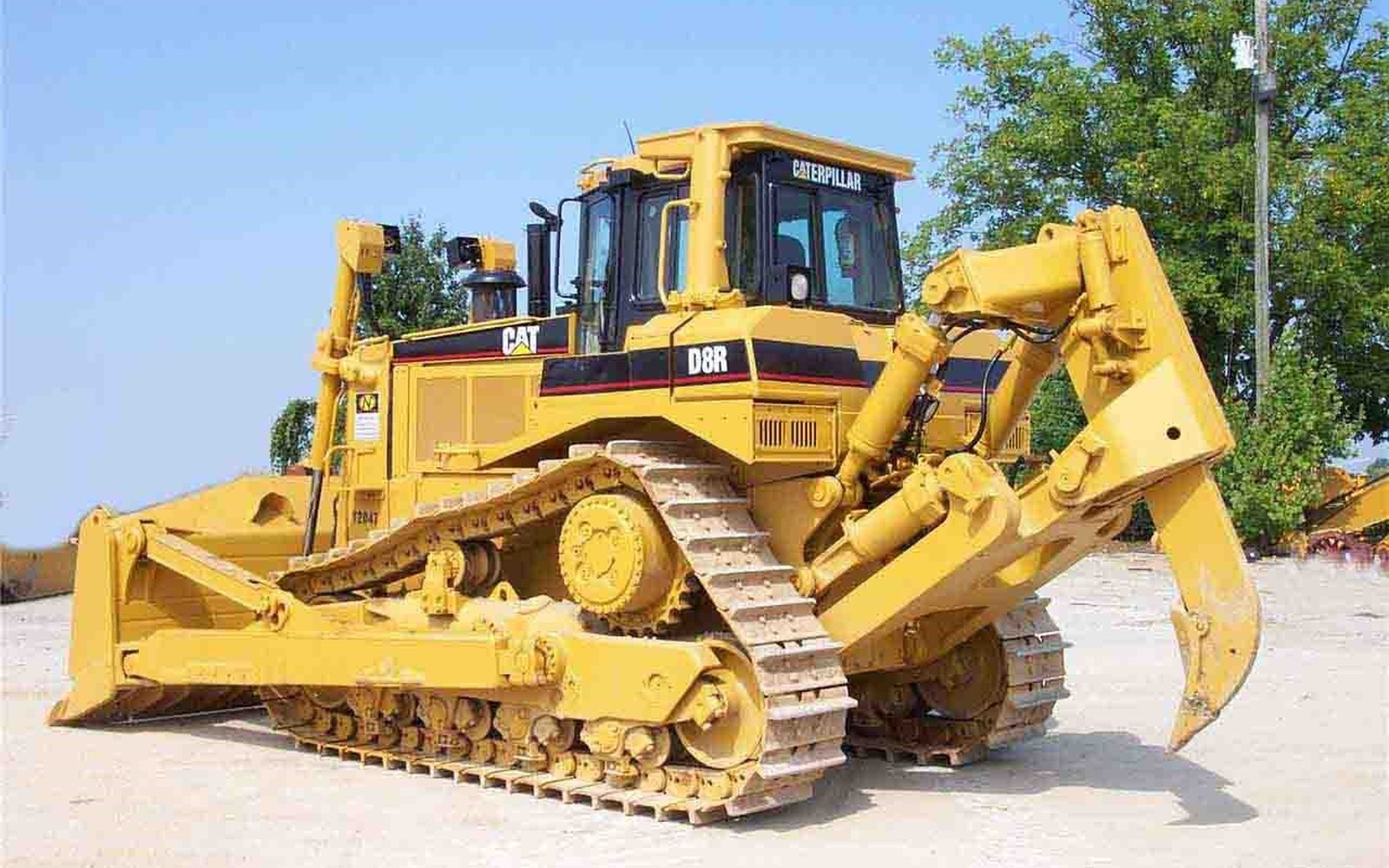
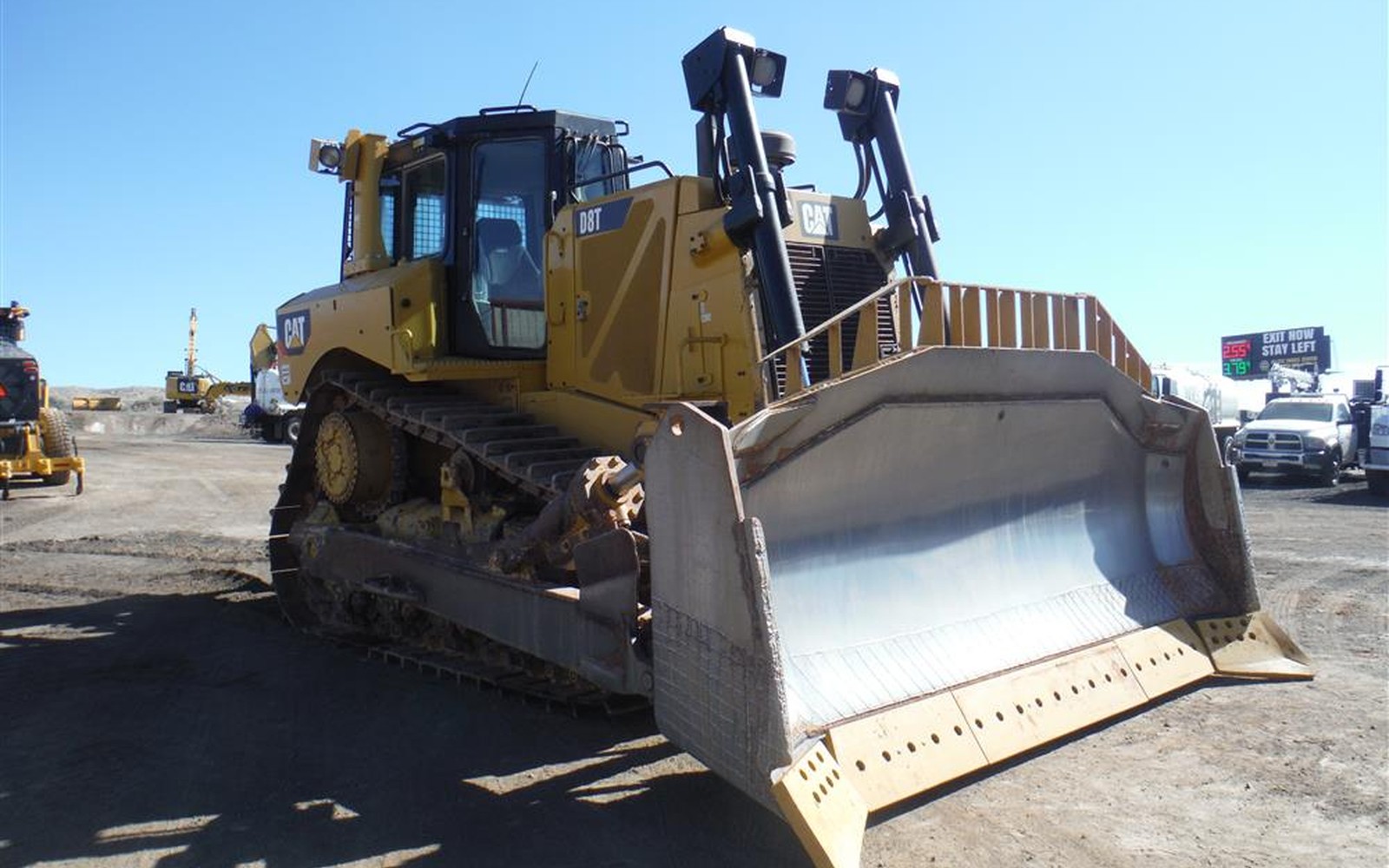
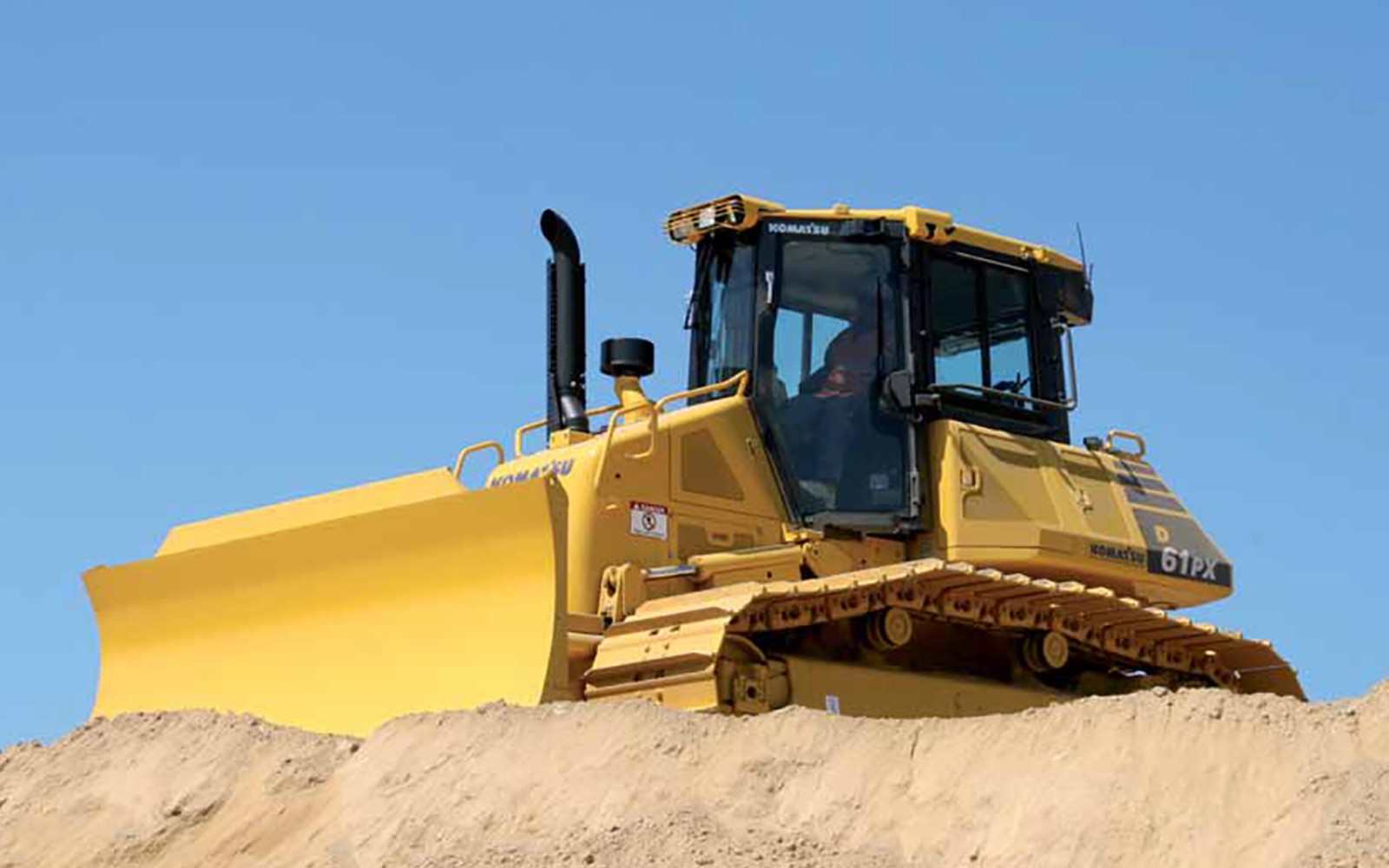
The Komatsu D61 is a mid-size track dozer sitting in the same category as the Cat D6. It handles land clearing, road building, rough grading, and utility spread work with a machine that is mobile enough to move between projects and capable enough to do real production work at each stop. The D61 iMC (intelligent machine control) variant adds automated blade control for precision grading, which has made it a popular choice for contractors who want both production dozing and finish grade capability in one machine.
We handle dozer refinancing across brands and size classes. If you are comparing Komatsu D61 equity against a Cat D6, see Cat D6 dozer refinancing to understand how the two most common machines in this class position in the lender market.
Komatsu dealers maintain service records in their network system, and KOMTRAX telematics on most D61s can verify hours independently. Both help with appraisals. A lender who can pull machine data from a third-party source and match it to what you reported on your application has a cleaner picture of what they are underwriting, and that typically results in better terms.
Undercarriage condition is the primary variable after hours and year. A D61 with recent track replacement or pad renewal comes in meaningfully stronger than one with worn components. Komatsu undercarriage parts are widely available through the dealer network, and planned replacement is easier to document than deferred maintenance.
The D61EX and D61PX designations reflect different track configurations: the EX uses a standard gauge track while the PX uses a wider swamp-duty track. The PX typically has a lower resale value because its specialty application limits the buyer pool. Knowing your specific designation before you apply helps us appraise accurately.
D61 iMC variants with integrated GPS blade control systems hold a technology premium in the used market, similar to the effect we see with iMC-equipped PC210 and PC360 excavators. If yours has iMC, mention it prominently when you apply.
The mid-size grading and earthmoving contractor who owns a D61 as their primary or backup dozer and has built equity through two or more years of consistent payments. The capital need is usually specific: another machine, a contract ramp-up, or a cash reserve before a major project mobilization.
Land clearing operations in the South and Southeast where the D61 handles timber clearing, stump removal, and rough grading efficiently. Construction contractors in states like Georgia, the Carolinas, and Texas use mid-size dozers extensively and are active refinancing candidates when their capital needs arise.
Pipeline spread contractors and right-of-way clearing crews who run D61s alongside excavators and other earthmoving equipment. These operations often have equity spread across multiple machines and benefit from a coordinated approach that addresses multiple pieces of iron in a single transaction.
Operators who financed during a period of higher rates and now want to revisit. Refinancing for rate improvement is a legitimate goal alongside cash extraction, and we handle deals where the primary objective is payment reduction rather than a lump sum.
You provide the machine year, hour count, KOMTRAX ID if available, and your existing payoff information. We pull current market data on D61 comps and establish an appraised value range. We structure a loan at a percentage of that value, confirm terms, and move to documentation.
For most D61 deals in the application-only range, documentation is a credit application and three months of business bank statements. That keeps the timeline short. We do not want you to spend a week gathering a document package for a deal that should fund in two weeks total.
At closing, we wire the payoff to your existing lender (if one exists) and send the net equity to your business account. The machine stays exactly where it is. No inspection visit, no machine downtime, no disruption to the crew.
Timeline: one to two weeks from complete application to funded. We work that pace because capital that arrives after the opportunity has passed is not capital.
For the structural overview of how cash-out transactions work, visit cash-out equipment refinancing. And if you have multiple machines, ask about bundling them into a coordinated refinancing.
Komatsu D61 equity is cash waiting to be deployed. Tell us the machine and what you need the capital for, and we will come back with real numbers fast.
Also see Komatsu equipment refinancing for the full Komatsu fleet overview and B/C credit equipment financing if your credit situation is a concern.
These are the underwriting points the desk uses to turn the taxonomy page content into a real cash-out structure.
Komatsu D61 Dozer Refinancing value, serial, configuration, hours or mileage, payoff, and comparable sales.
$400. The available cash is based on verified value minus the existing payoff.
Two weeks.
Working capital, down payments, debt cleanup, slow-season coverage, and project mobilization.
The PX has a more limited buyer pool than the EX variant because the wide swamp track is specialty equipment. That can affect appraised value somewhat. We will use current market data specific to the PX in our assessment.
Yes. Cash from a refinancing has no use restrictions. Applying proceeds to precision ag or grade control equipment for other machines in your fleet is a legitimate and common use.
Yes. We can structure a coordinated refinancing that addresses both machines, pays off existing notes on each, and distributes the combined net equity in one transaction. Some operators find this simpler than managing two separate deals.
Slightly, because we cannot independently verify hours via telematics. For older machines without KOMTRAX, we rely on the hour meter reading you provide, dealer service records if available, and general market comps for the year and condition class.
We would look at what other assets you have available to use as additional collateral, or discuss whether the structure can be expanded. If the D61 cannot support the full amount needed, we will tell you what it can do and what the gap is.
Send the machine, payoff, and target cash-out amount. We will review the file and come back with rate, term, payment, and net proceeds.
Tell us what you are buying, who is selling it, and when you need it earning. We will review the file and point you to the next step.