Collateral Reviewed
Revenue-producing equipment already working in the operation, with payoff and current value documented.

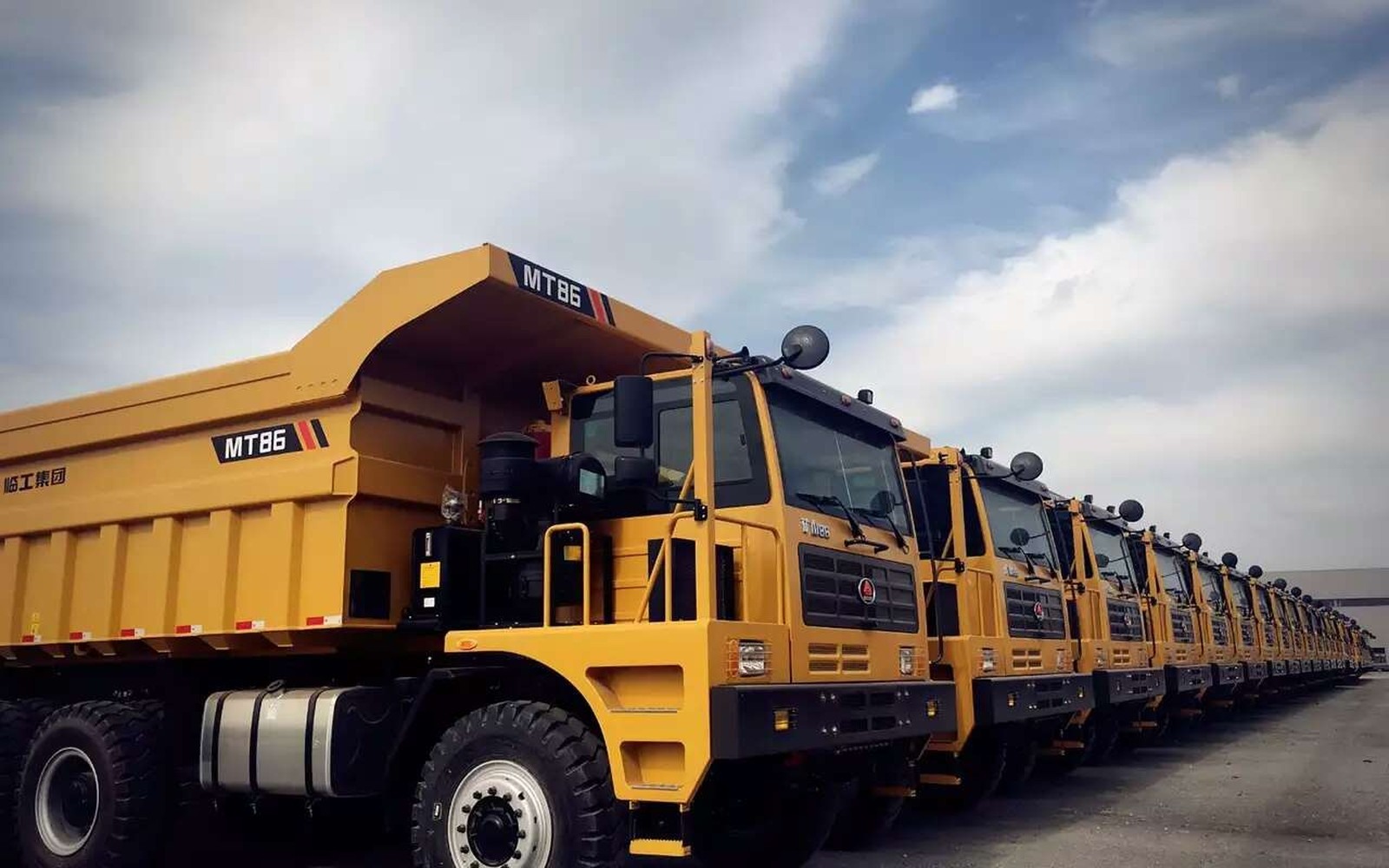
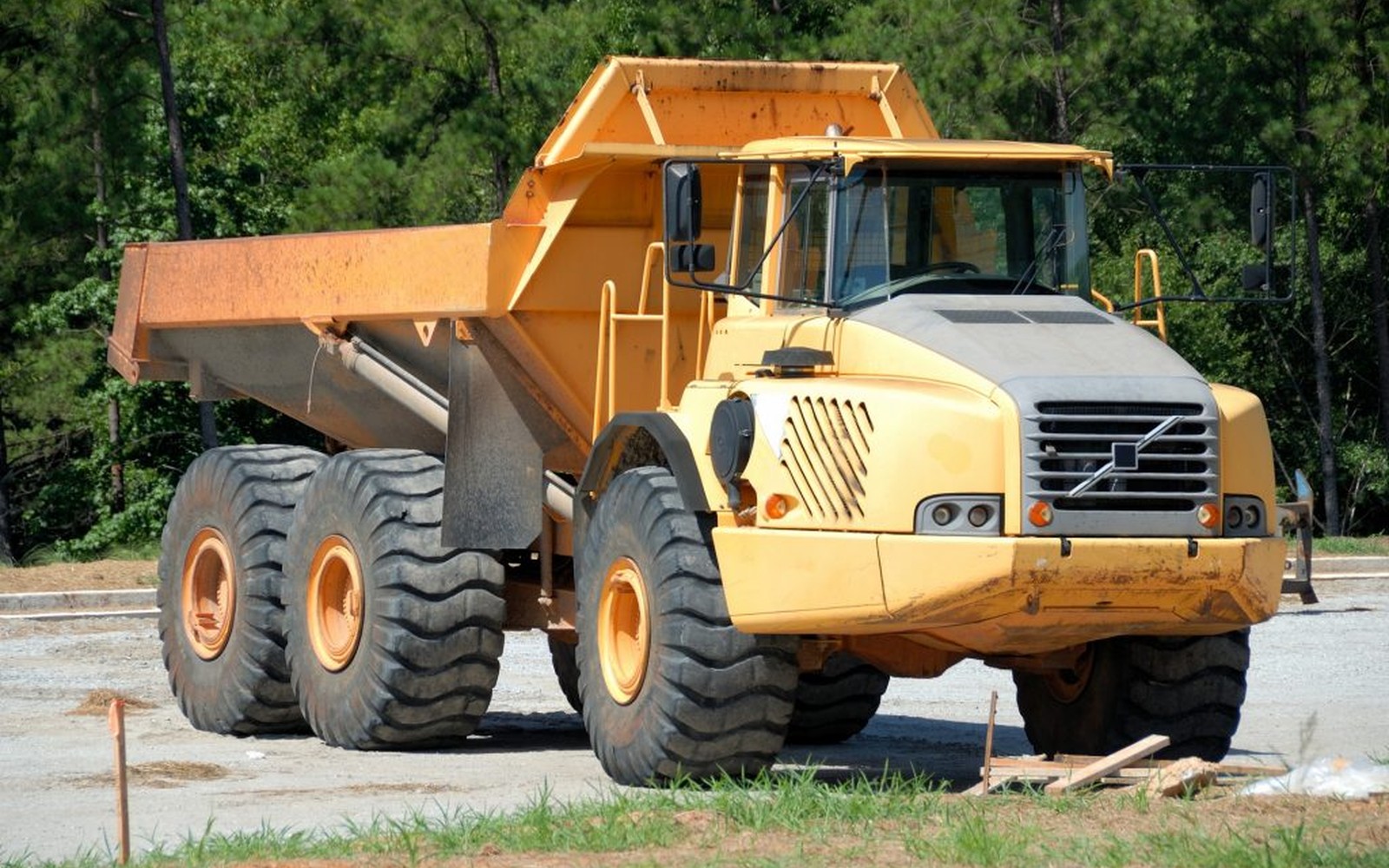
Mining and aggregate production runs on heavy iron, and heavy iron accumulates equity. A 90-ton excavator or an articulated dump truck that has been working a quarry face for four years is not just a depreciated machine. It is a capital asset with a real lien position and real cash value. Cash-out equipment refinancing puts that capital to work rather than letting it sit in the ground along with the rock being extracted.
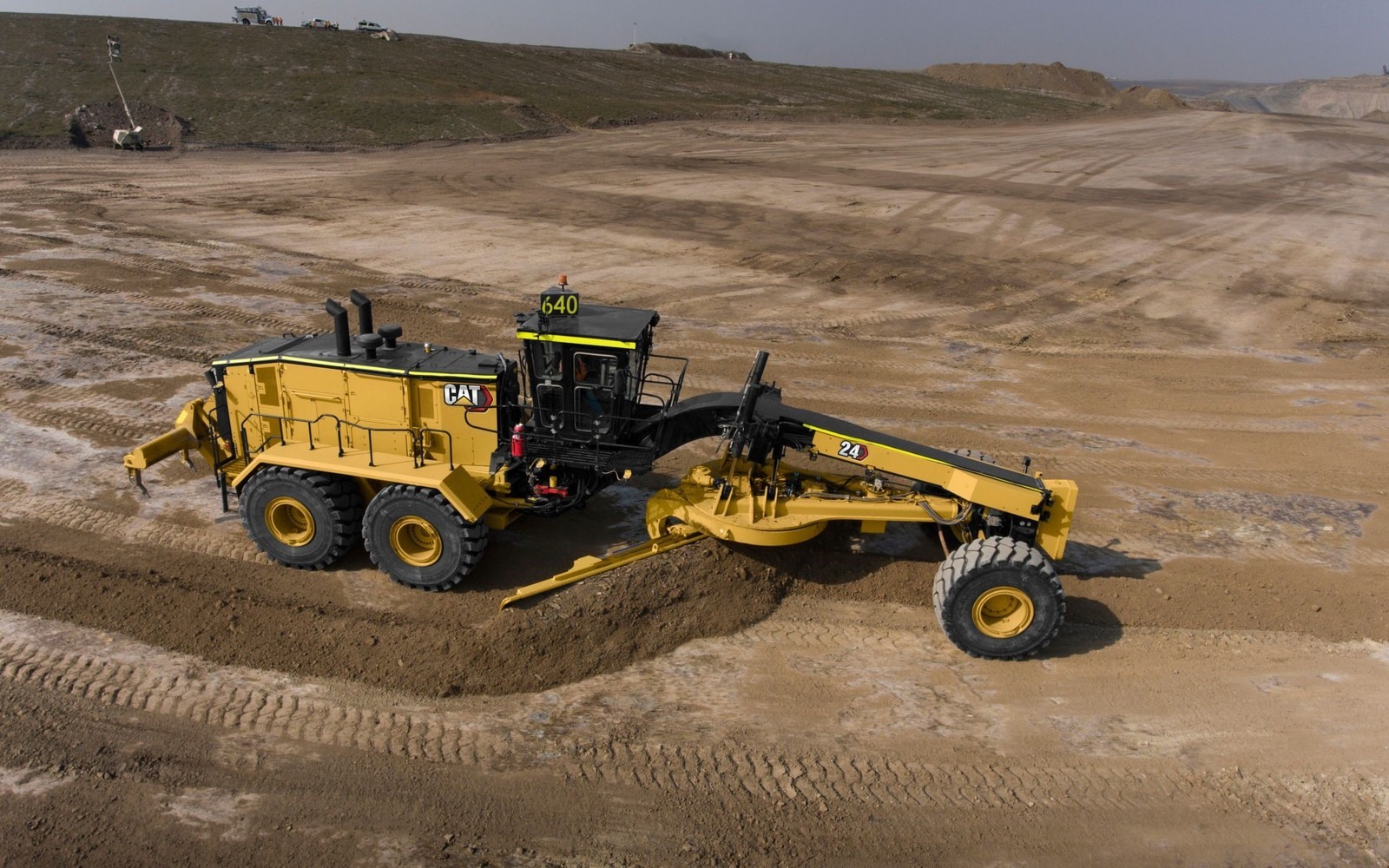
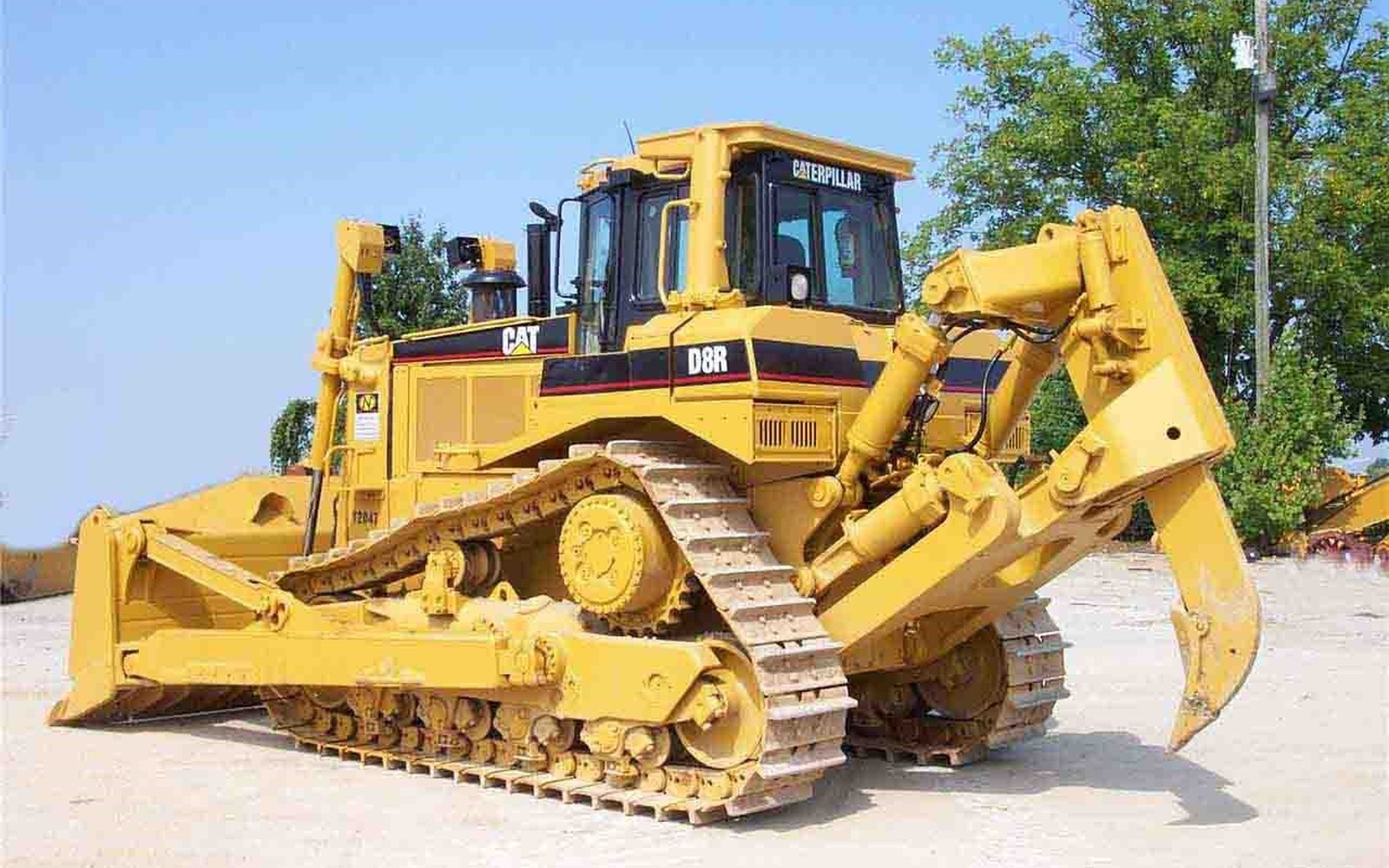
We work with quarry operators, aggregate producers, sand and gravel operations, surface mining contractors, and portable crushing and screening companies. The equipment classes span the full range of heavy production equipment, and most of it supports refinancing as long as the market value is there.
Minimum transaction is $50,000. Mining and aggregate transactions often run significantly higher given the capital intensity of the equipment involved. Multi-million dollar fleet refinancings are not uncommon in this industry. We handle both single-machine transactions and comprehensive fleet restructurings.
The primary equipment classes in mining and aggregate production that we lend against:
Portable and stationary crushing and screening plants are evaluated case by case. They have more limited secondary markets than the mobile earthmoving equipment, but name-brand portable plants from manufacturers like Kleemann, Sandvik, and Terex often have refinanceable value.
Aggregate and mining businesses face capital demands across two timelines. The first is immediate: a new crushing contract, an expansion to a new pit, a haul road extension, or acquisition of additional permitted acreage all require capital now against revenue that comes over months or years. The second is long-cycle: major equipment rebuilds, crushing plant upgrades, and processing line improvements that are large expenditures with long payback periods.
Equipment equity is one of the cleanest sources for both timelines. It is not dependent on the current commodity price, it is not subject to environmental permit conditions, and it does not require a permit amendment or mining plan modification. The iron you have paid down is simply a financial asset you can borrow against.
Aggregate producers in active construction markets like Phoenix, Salt Lake City, and Denver where construction demand drives consistent aggregate consumption run this structure as part of their regular capital planning, not as a distress tool.
Mining equipment accumulates hours faster than most other industries. A haul truck working a quarry can accumulate 3,000 hours in a single year. Evaluating high-hour mining equipment requires understanding the rebuild cycle and actual machine condition rather than applying a generic depreciation formula.
We account for that. A Komatsu PC360 with 8,000 hours that has had its engine and undercarriage rebuilt within the last 2,000 hours is a different asset than the same machine that has never been touched. Maintenance records, rebuild documentation, and current utilization all factor into our assessment.
Used equipment purchased at auction or from another mining operation can also be refinanced after acquisition, particularly if it was purchased at a favorable price relative to current market value. See the used equipment financing page for more detail on how we approach used assets.
Mining and aggregate companies often have complex financial structures: multiple pit entities, royalty obligations, mineral lease payments, and equipment leaseback arrangements that affect the balance sheet presentation. We work with that complexity rather than demanding a simplified picture that does not reflect how the business actually operates.
Documentation at the core is the same: three months of business bank statements for the primary operating entity, equipment details, and an application. For larger transactions above $400,000, we want financial statements. For fleet-level transactions, we may ask for a comprehensive equipment list with estimated values and payoffs.
Operators who want to explore how standard equipment refinancing compares to a structured debt consolidation approach for a fleet with multiple outstanding loans will find both paths available through us.
These are the underwriting points the desk uses to turn the taxonomy page content into a real cash-out structure.
Revenue-producing equipment already working in the operation, with payoff and current value documented.
$50. The available cash is based on verified value minus the existing payoff.
Same day.
Mining equipment accumulates hours faster than most other industries.
Portable crushing plants from name-brand manufacturers including Kleemann, Sandvik, and Terex have secondary market activity that supports refinancing in the right configuration. Age, condition, output capacity, and the availability of parts and support all factor into the valuation. Submit the details and we will assess it specifically.
If the equipment is part of a blanket lien supporting a bank line, the bank likely needs to release that specific asset or consent to a subordinate lien position before we can place our lien. We see this situation regularly and can work through it if the bank is willing to release specific assets from the blanket. It requires coordination but is not an automatic barrier.
The rebuild at 12,000 hours is a significant positive factor. We treat a post-rebuild machine more like a machine with 2,000 hours of useful life ahead of it than like a machine with 14,000 uninterrupted hours. Rebuild documentation strengthens the case considerably. Provide the service records and we factor them into the assessment.
Proceeds are unrestricted. Acquiring permitted acreage or purchasing royalty interests from existing ground is an acceptable use of equipment equity. We do not restrict how you deploy the capital.
Remote location can affect the practical considerations around repossession and resale in a default scenario, which lenders factor into their risk assessment. For strong applications with solid equity positions, location is less of a factor than for marginal ones. The primary driver is still the asset value and the borrower's cash flow.
Share the equipment list, payoffs, and what the capital is for. We come back with a real structure, same day. The heavy iron in your operation can be working harder for you on two fronts at once.
Tell us what you are buying, who is selling it, and when you need it earning. We will review the file and point you to the next step.