Collateral Reviewed
Komatsu PC210 Excavator Refinancing value, serial, configuration, hours or mileage, payoff, and comparable sales.

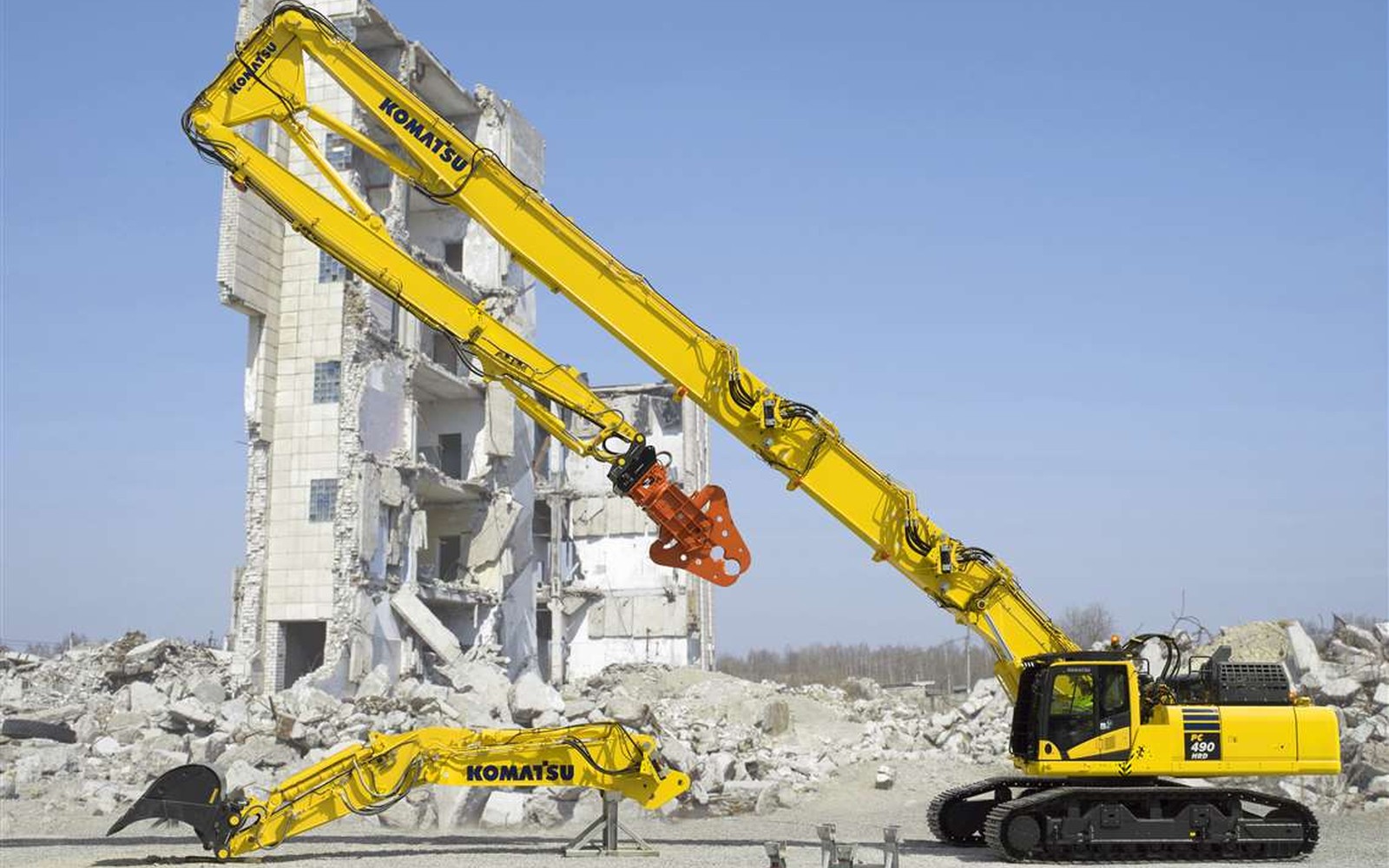
The Komatsu PC210 is a 21-ton production excavator with a strong reputation in the used market. If yours is paid down or owned outright, that equity is idle capital. Getting it out of the machine and into your account is a transaction we do regularly, and it does not require a long process or a clean credit file.
Operators who run PC210s know the machine. It is a direct competitor to the Cat 320 and Volvo EC220 in the 20-ton class, and it has built a loyal following among contractors who value the Komatsu service network and KOMTRAX telematics system. The resulting depth of the secondary market is good news for refinancing: lenders can see what these machines are worth and underwrite with confidence rather than guessing at residual value.
We work with contractors across the country on excavator refinancing deals. The PC210 is one of the machines we see most often in the 20-ton class. Submit your machine details and let us run the numbers on what your specific unit qualifies for.
Komatsu excavators at the 20-ton level have maintained solid used equipment values. KOMTRAX, Komatsu's telematics system installed on most machines, records hours, fuel consumption, and location data. Lenders who specialize in construction equipment know how to pull KOMTRAX data to verify hours and assess usage patterns. A machine with a clean KOMTRAX history is easier to underwrite than one where hours are uncertain.
Current-generation PC210-11 machines appraise differently than older LC or LCi series models. If you own a PC210 with intelligent machine control (iMC), that adds a technology premium to the appraisal because iMC-equipped machines command higher prices in the used market. Know your specific model designation before you call.
Boom and arm configuration (standard, long arm, mass excavation) affects appraised value modestly because different configurations serve different markets. The standard configuration is the most liquid in resale and appraises accordingly.
For comparison with the larger Komatsu in our portfolio, see Komatsu PC360 refinancing. If you are deciding between a 20-ton and a 36-ton refinance on machines you own, understanding how they compare as collateral is useful context.
You have a PC210. We establish its current market value. If there is an existing lien, we pull a payoff quote. We structure a new loan for a percentage of the machine's value, pay off the old lender, and send you the net equity as cash. Monthly payments on the new note replace whatever your prior obligation was, or begin fresh if the machine was unencumbered.
The whole transaction runs in roughly one to two weeks from a complete file. For most PC210 deals, the documentation package is limited to a credit application and three months of business bank statements, because the deal typically falls within the application-only processing range.
The cash goes to your business account with no use restrictions. Working capital, equipment purchases, bid bonds, payroll float, or any other business need is fair game. We do not track how the funds are deployed once they leave our wire.
If you want to understand the broader financing structure, visit cash-out equipment refinancing for a full explanation of the transaction type and how it differs from a pure rate refinance.
Komatsu has strong penetration in certain regional markets where their dealer network is particularly well-established. The Southeast, Pacific Northwest, and Upper Midwest have dense Komatsu dealer coverage, and contractors in those regions tend to run PC210s as a natural choice for parts and service access.
In the Southeast, residential and commercial construction growth has driven steady demand for 20-ton excavators. Operators in markets like Atlanta and Charlotte who have paid down their PC210s are often looking to capitalize growth quickly rather than waiting on bank timelines.
Pipeline and utility work contractors in the Midwest run PC210s in soil conditions that suit the machine well. Excavation and site work contractors in these markets often have tight bid cycles and need capital available ahead of contract awards, not weeks after.
Pacific Northwest logging roads and site development work also generates strong demand for 20-ton excavators with good reach. Operators in Portland and Seattle markets regularly run Komatsu equipment and have equity in their machines.
Owner-operators who bought the PC210 as their first significant piece of iron and have been paying it down for two or three years while building their reputation with GCs. These operators have real equity and a real need for working capital. A refinancing deal helps them bid the next job without burning their operating account.
Multi-machine operators who added the PC210 to a fleet that already included a dozer or loader. The PC210 may have been the second or third machine purchased, meaning it was bought at a point when cash was tighter and the rate was higher than what is available now. A rate-and-term refinance lowers the monthly payment and frees margin.
Contractors who work in the construction industry on a project basis rather than long-term municipal contracts sometimes face irregular revenue cycles. Between project completions and the next mobilization, cash gets tight. A PC210 with equity is a capital reserve that can be activated without selling the machine or taking on a partner. The option to access capital through a sale-leaseback is also available for those who want to maximize the dollars extracted from the asset in a single transaction.
These are the underwriting points the desk uses to turn the taxonomy page content into a real cash-out structure.
Komatsu PC210 Excavator Refinancing value, serial, configuration, hours or mileage, payoff, and comparable sales.
$400. The available cash is based on verified value minus the existing payoff.
One to two weeks.
You have a PC210.
Lenders may review KOMTRAX data to verify hours and usage patterns, but there is no specific pattern required. The data is mainly used to confirm the hour count you provided and check for unusual usage that might affect condition assessment.
Yes, positively. iMC-equipped machines hold a premium in the used market because the technology adds value for buyers, particularly in site development and grading applications. Mention it when you apply.
Yes. The purchase history does not affect the refinancing transaction. We establish current value and title, issue a new loan, and the proceeds are cash to you since there is no prior lender to pay off.
A machine earning rental income is not a problem for refinancing. If the rental is through a formal agreement, the income can actually support the application. The lien we take would remain on the machine regardless of who is operating it.
Both matter, but a strong asset with a clear value and a business generating cash flow can compensate significantly for credit challenges. We look at the full picture, and we work with B and C credit borrowers regularly.
Most equipment loans allow prepayment. Check the specific agreement for any prepayment fee, which is common on fixed-rate structures. Paying ahead reduces total interest cost. Ask about prepayment provisions before signing.
Productive iron with equity in it is an untapped capital source. Tell us about your PC210 and what you need, and we will come back with what it qualifies for. One to two weeks to funded. Also see Komatsu equipment refinancing for the full Komatsu lineup.
Tell us what you are buying, who is selling it, and when you need it earning. We will review the file and point you to the next step.