Collateral Reviewed
Freightliner Truck Refinancing equipment value, model mix, payoff, serial information, hours or mileage, and dealer or auction support.

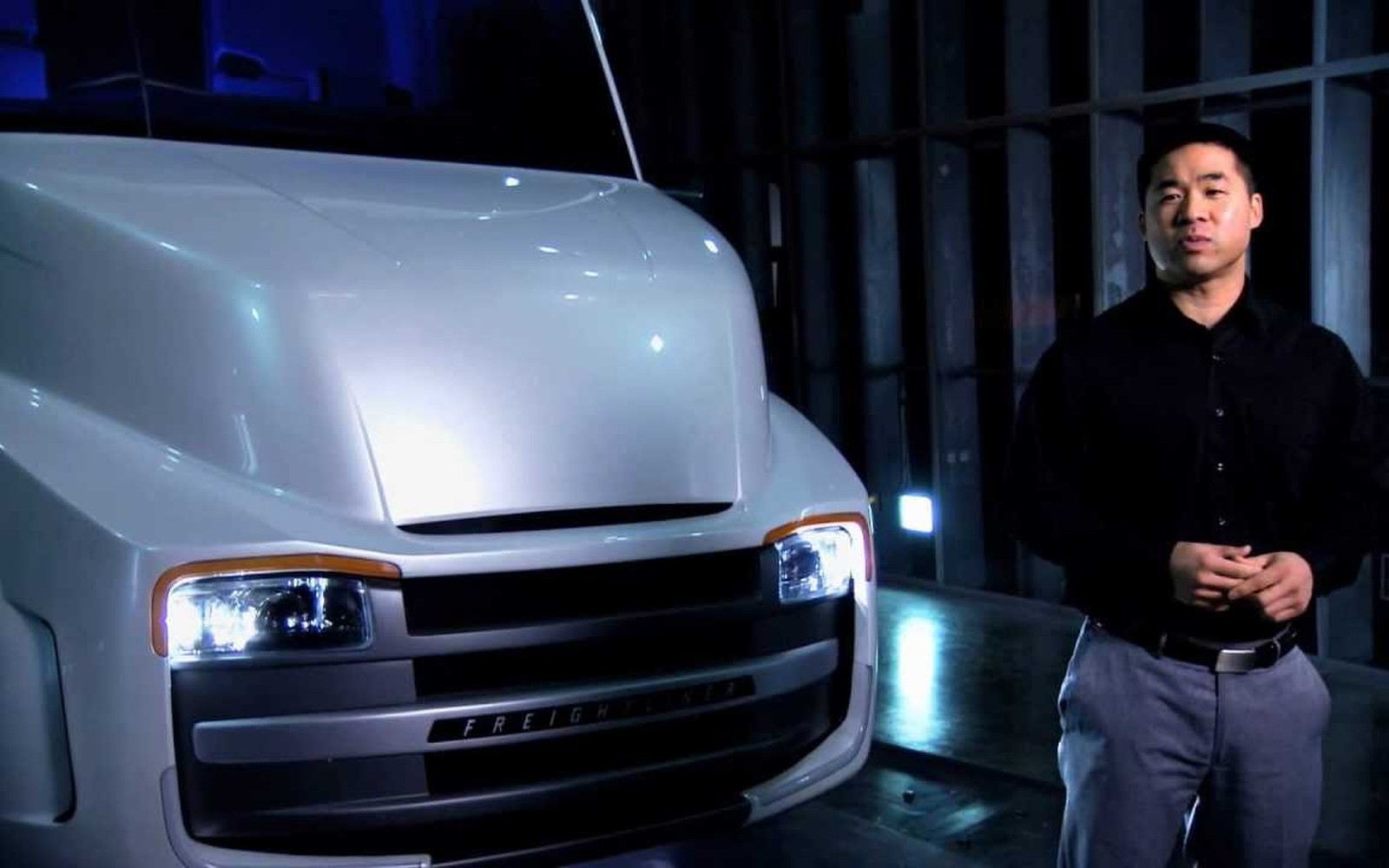
Freightliner is the most common Class 8 truck brand in North America, and that ubiquity cuts both ways. The secondary market is deep and active, which keeps values from dropping suddenly. But broad supply also means you cannot assume your Freightliner is automatically worth a specific number. What it is actually worth, right now, in its current condition and miles, is what determines how much cash you can pull out of it.
We refinance Freightliner trucks for owner-operators and small fleets. The goal is straightforward: get a real valuation, advance you the equity above the payoff, and put cash in your account so you can use it. Whether that means buying a trailer, covering a slow freight period, or clearing a debt that has been costing you more than it should, the refinance gets the capital moving in about two weeks.
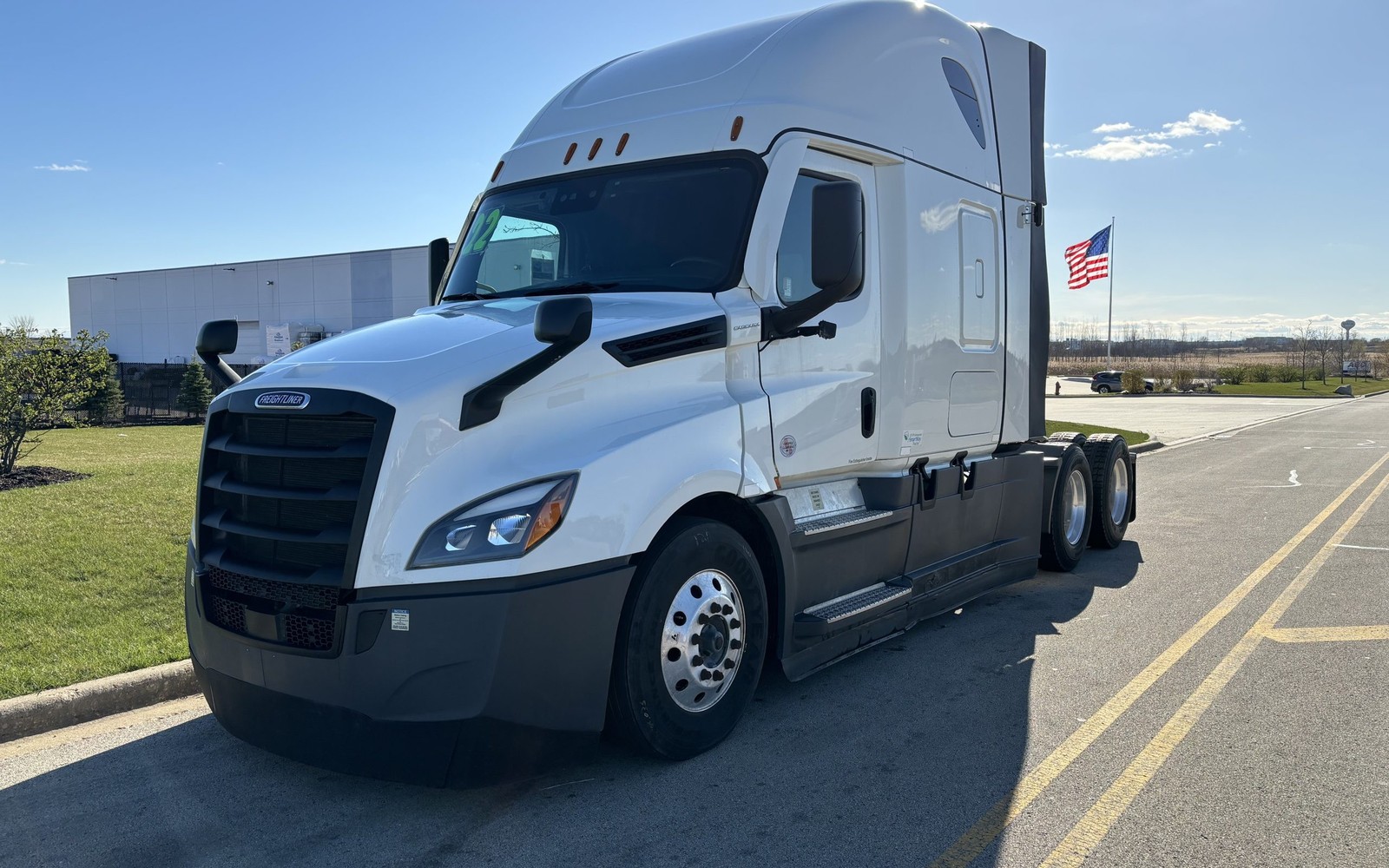
The Freightliner Cascadia is the brand's flagship long-haul truck and the most common Freightliner model in refinance transactions. The Cascadia, particularly the 2016 and newer NG (next-generation) versions, benefits from strong fleet and owner-operator demand that sustains secondary values. A well-maintained Cascadia with reasonable miles for its model year carries predictable equity.
Key factors that affect Cascadia refinance value:
Freightliner's older conventional trucks and specialty units also appear in our refinance volume. The Columbia and Classic XL still trade in certain markets and can carry refinanceable equity depending on condition and use history.
Freightliner's vocational truck line, including the 114SD and 122SD models configured for dump, mixer, and construction applications, deserves separate mention from the Cascadia on-highway line. Vocational Freightliner trucks are common in municipal waste collection, construction materials hauling, and concrete delivery. These trucks typically log significantly fewer highway miles than over-the-road Cascadia units because they work in local or regional cycles. A ten-year-old Freightliner 114SD dump truck with 180,000 miles is a fundamentally different collateral asset from a ten-year-old Cascadia with 1.2 million miles. The vocational unit may carry more equity relative to its age. Dump truck configurations on Freightliner vocational chassis are part of our program, with advance calculations that reflect the slower-depreciation dynamics of local work cycles versus highway accumulation. Operators in construction and concrete and paving who run vocational Freightliner trucks should evaluate the equity in those machines, which may surprise them given the lower mileage relative to age.
Owner-operators who financed a Freightliner Cascadia and have three or more years of payments behind them are the primary client. At that point, the combination of paydown and depreciation slowdown often creates a meaningful equity gap. A Cascadia originally financed for $140,000 that is now worth $80,000 with a $50,000 payoff has $30,000 in accessible equity. Not enormous, but real money, and a fast transaction for an operator who needs a bridge.
Small trucking and transportation fleets with three to ten Freightliners come to us when they want to grow without tapping personal assets or waiting for a bank SBA process. Rolling equity from their paid or nearly-paid Freightliners into the next acquisition is a repeatable strategy that does not require bank approval on the new truck if the existing fleet funds the purchase.
Flatbed and specialized freight carriers running Freightliner vocational trucks in construction materials, steel, and oversize load applications often have lower-mile trucks that carry proportionally more equity than highway over-the-road units of the same age.
Dry van and flatbed freight carriers running Freightliner Cascadias make up a large share of our trucking refinance volume. These operators bought their trucks during periods of strong freight demand, carried high notes at the time, and now face a different freight rate environment. Refinancing to a lower rate, or pulling cash out to bridge a slow period, makes operational sense when the truck value supports the transaction. A carrier running lanes out of Chicago or the Memphis freight hub who owns a 2020 or newer Cascadia with reasonable miles carries an asset that supports a real refinance. The rate reduction alone on a high-rate note from the peak freight period can free up several hundred dollars a month, which compounds into meaningful operating capital over a year of lower payments. For over-the-road carriers, that monthly savings difference directly affects profitability on tight freight lanes.
Dry van and flatbed freight carriers running Freightliner Cascadias make up a large share of our trucking refinance volume. These operators bought their trucks during periods of strong freight demand, carried high notes at the time, and now face a different freight rate environment. Refinancing to a lower rate, or pulling cash out to bridge a slow period, makes operational sense when the truck value supports the transaction. A carrier running lanes out of Chicago or the Memphis freight hub who owns a 2020 or newer Cascadia with reasonable miles carries an asset that supports a real refinance. The rate reduction alone on a high-rate note from the peak freight period can free up several hundred dollars a month, which compounds into meaningful operating capital over a year of lower payments. For over-the-road carriers, that monthly savings difference directly affects profitability on tight freight lanes.
Virtually all Freightliner refinance transactions involve used trucks. The useful life of a Class 8 truck often extends to well past one million miles when properly maintained, and the financing opportunity exists across a wide range of ages and mileages. Used equipment financing on Freightliner trucks is not a fallback program, it is the standard product for this asset class.
A five-year-old Cascadia with 600,000 miles that has been maintained by a diligent owner-operator is a legitimate refinance asset. Its value is lower than when new, but it is a real number, and the gap between that value and a payoff balance is real equity. The key is condition relative to comparable units currently trading in the secondary market.
Trucks that have been in vocational use, where miles are lower but work has been harder, appraise on a condition and use basis rather than purely on mileage. A five-year-old Freightliner concrete mixer chassis with 180,000 miles appraises very differently from a five-year-old over-the-road Cascadia with 600,000 miles. We account for both.
Application to funding runs approximately one to two weeks for a standard single-truck Freightliner transaction. We need the truck details (VIN, year, configuration, miles, current payoff amount), three months of bank statements, and basic business or personal information depending on how you are structured.
For single-truck transactions under $400,000, application-only treatment is available. No full tax return review, no business financial statements required in most cases. The truck's value and your cash flow as shown in bank statements drive the decision.
We pay off the existing Freightliner Financial Services or other lender note at closing. The net proceeds above the payoff fund to your account. Lien is filed on the title. Monthly payments begin approximately 30 days after funding, depending on the payment schedule you select.
These are the underwriting points the desk uses to turn the taxonomy page content into a real cash-out structure.
Freightliner Truck Refinancing equipment value, model mix, payoff, serial information, hours or mileage, and dealer or auction support.
$50. The available cash is based on verified value minus the existing payoff.
Two weeks.
Owner-operators who financed a Freightliner Cascadia and have three or more years of payments behind them are the primary client.
A known mechanical issue reduces the appraised value. Fixing it before appraisal generally results in a higher advance. The cost of the repair versus the increase in advance is worth calculating, but in most cases, repairing a deferred maintenance item before refinancing is the better financial move.
Yes. A carrier lease-on is a haul agreement, not a financing arrangement. You own the truck. You can refinance it while remaining leased-on to the carrier, provided no clause in your lease agreement prohibits pledging the truck as collateral. Most standard lease-on agreements do not have such restrictions.
Yes. We pay off the Daimler Truck Financial (now Torc/Mercedes-Benz Financial Services) note at closing and replace it with our lender's lien. The payoff demand is obtained as part of the closing process.
Yes. If you financed at a higher rate than today's market, a rate-reduction refinance can lower your monthly payment on the same principal balance. The cash-out option is separate from the rate benefit. Both can apply, or you can choose just the rate reduction.
Yes. Multi-truck refinance structures are available for fleets. We advance against the combined equity position of the trucks and structure a single monthly payment. Fleet transactions can sometimes access better terms than individual truck deals because the diversified collateral reduces per-unit risk.
Model, year, miles, and current payoff. That is the starting point. We come back with a real offer within one business day.
Tell us what you are buying, who is selling it, and when you need it earning. We will review the file and point you to the next step.