Collateral Reviewed
Revenue-producing equipment already working in the operation, with payoff and current value documented.

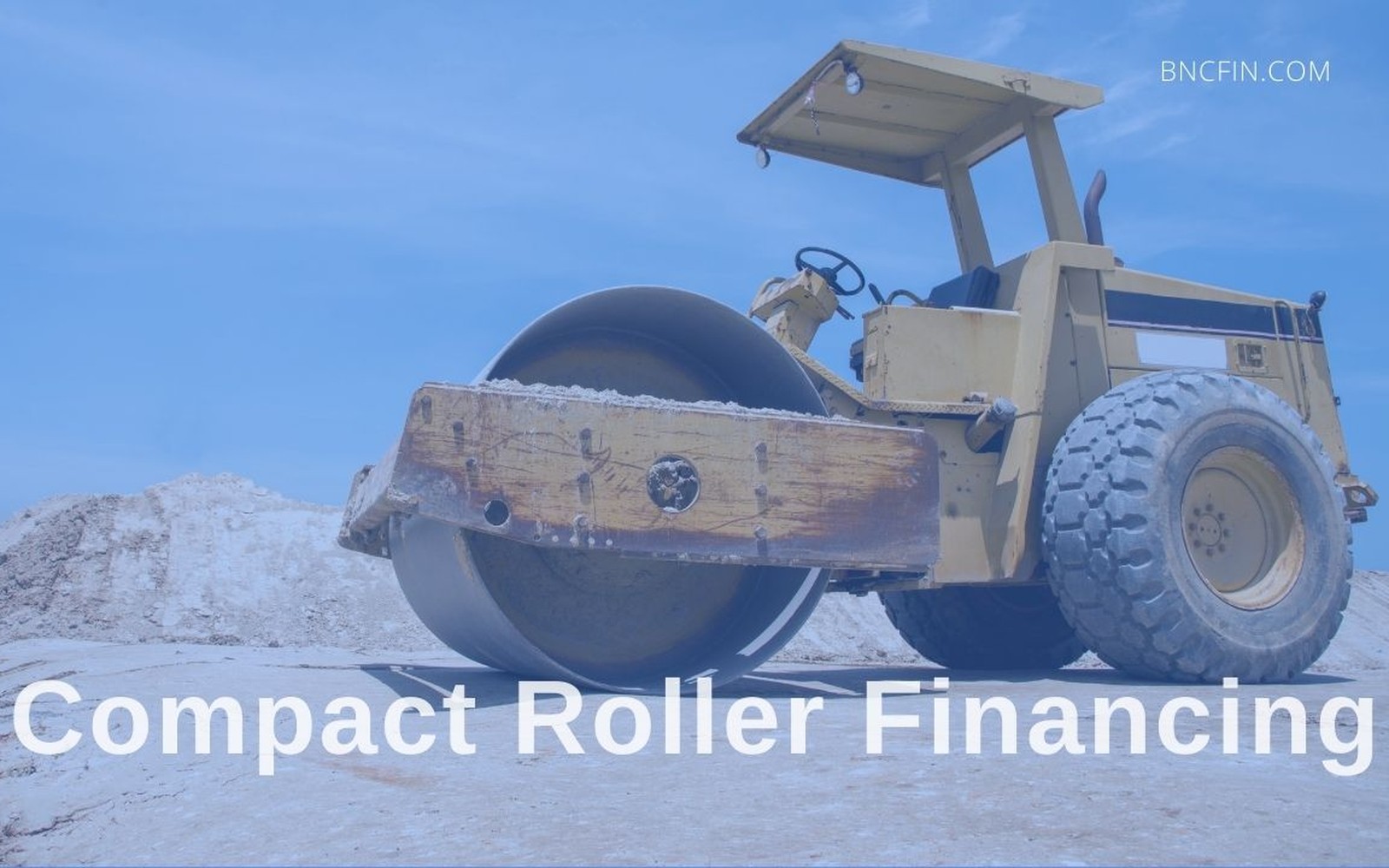
Concrete and paving equipment is expensive to acquire and slow to depreciate. A pump truck or an asphalt paver with several years of paydown behind it holds real equity, and that equity has a practical use beyond sitting on your balance sheet. Cash-out refinancing converts it to capital you can deploy on the next pour, the next paving season, or the next machine acquisition.
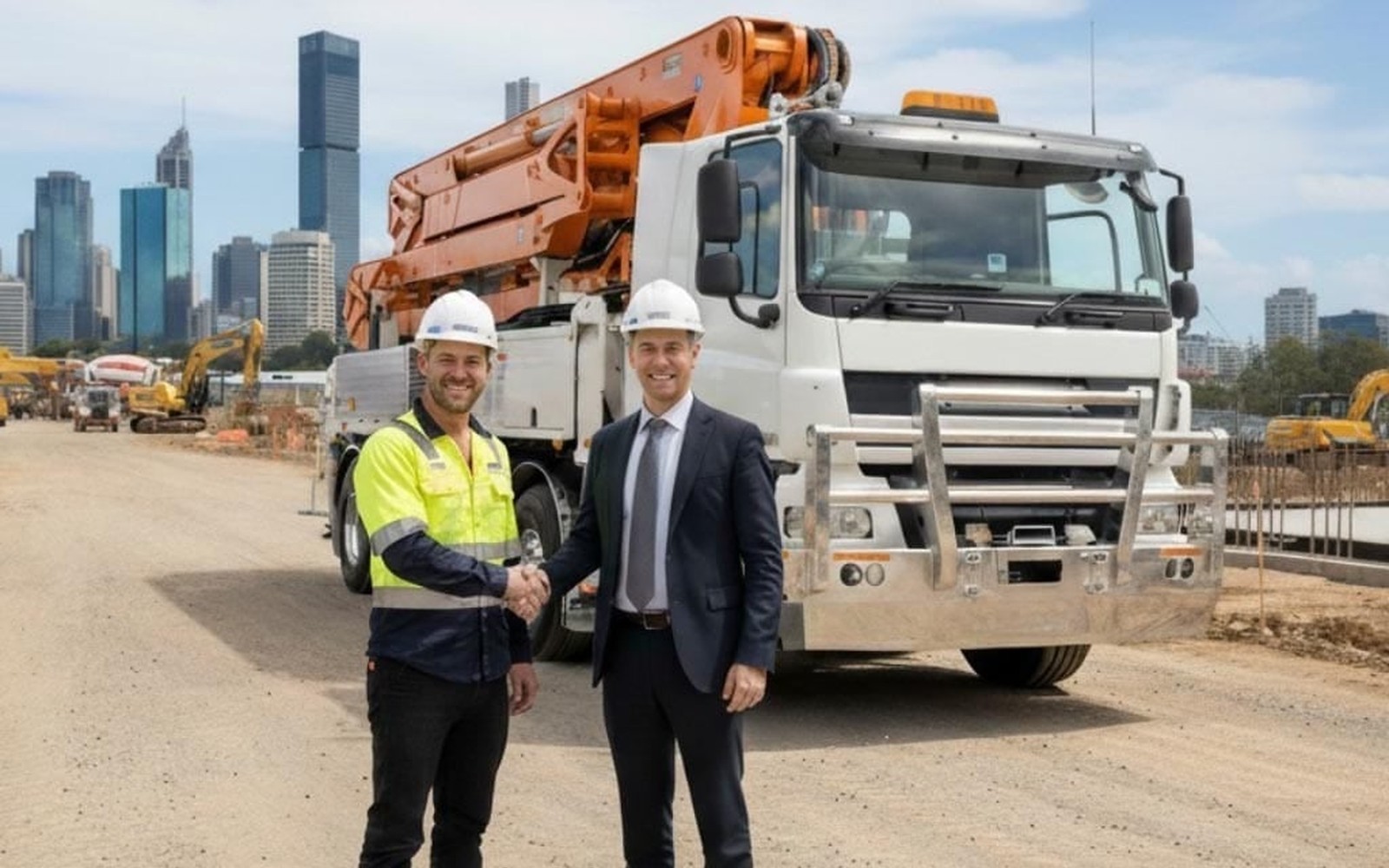
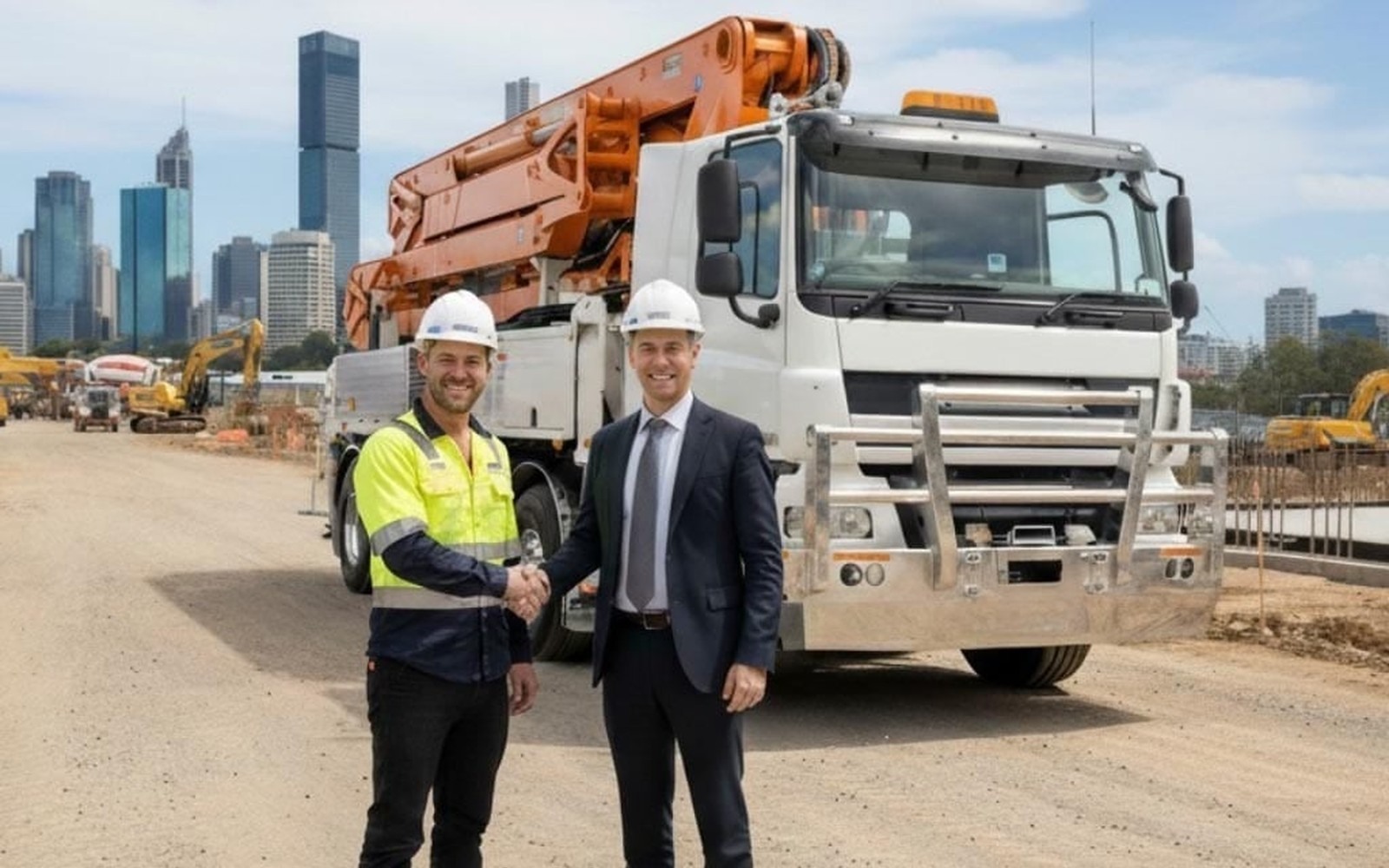
We work with concrete sub contractors, asphalt paving companies, concrete pumping operations, and ready-mix independent operators. Equipment from each of these trades qualifies as collateral as long as the fair market value supports the transaction. Minimum loan is $50,000. Most paving and concrete operators we see fall costing on the order of $100k to $350k per transaction.
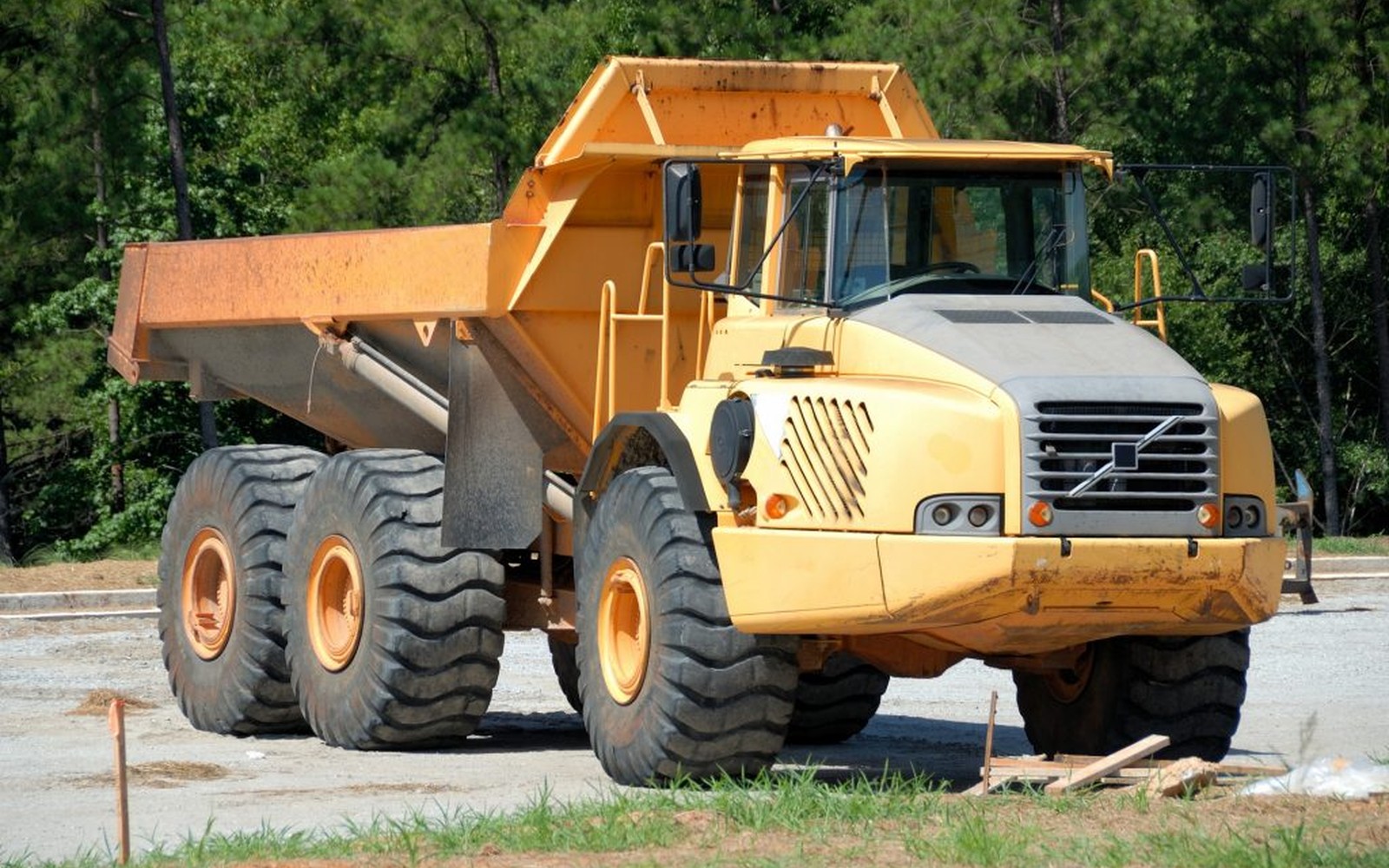
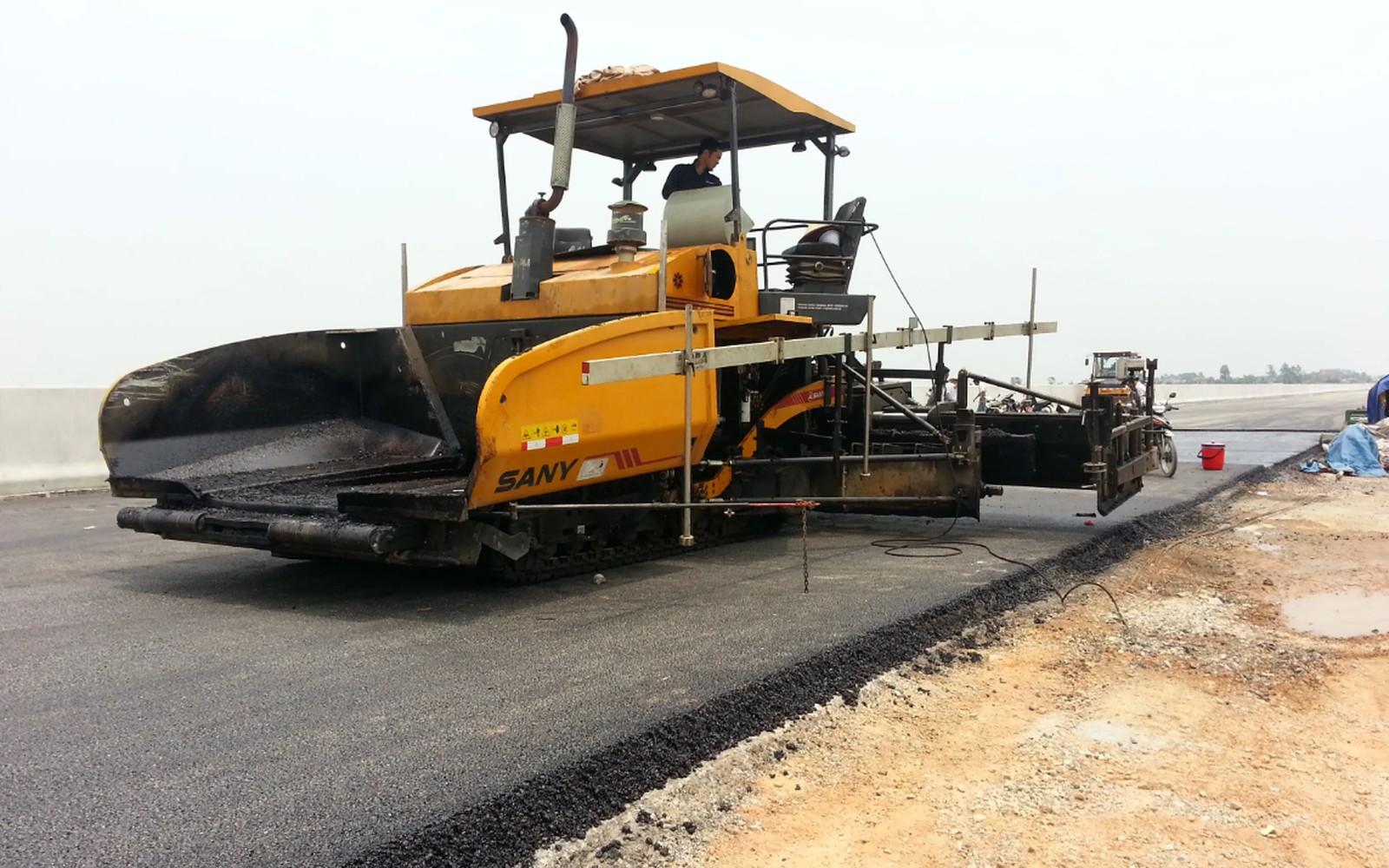
The equipment that drives concrete and paving businesses is capital-intensive and holds residual value better than many operators expect. The primary asset classes we work with:
Both new and used equipment qualify. Age matters less than current market value relative to the loan amount being requested.
Concrete and paving contractors face a particular cash-flow shape. Material costs, labor, and equipment mobilization hit immediately. Payment from the GC or the owner follows the project schedule, which means invoices go out net-30 or net-45 after the work is done. That gap is where undercapitalized contractors get squeezed.
Seasonality makes it worse. Paving season runs hard from spring through fall in most markets. Starting the season without operating capital means passing on subcontracts or running lean when you should be running at full capacity. Pulling equity from a paver or a pump truck in late winter solves that problem before the season starts.
Concrete contractors in the South and Southwest, where San Antonio, Atlanta, and Las Vegas commercial development has been persistent, use this structure as part of their regular capital plan, not just as a one-time fix.
For contractors who want to maximize the cash generated from equipment without standard refinancing, equipment sale-leaseback is the other option. You sell the pump truck or the paver to a lender and lease it back under a structured payment. You keep operating it, the monthly cost replaces the existing note or is brand new if the machine was paid off, and you get the full value in cash at closing.
Sale-leaseback is especially useful when the machine is fully paid off and you want to pull all the value out rather than just the equity above a loan balance. The payment structure is predictable, and the cash goes on your balance sheet immediately.
Both structures, cash-out refinance and sale-leaseback, are available through us. We will show you both when you apply so you can pick based on which produces the right outcome for your business.
Documentation is straightforward. Application, three months of business bank statements, and equipment details. Equipment details means make, model, year, serial number, current payoff balance if applicable, and estimated hours for self-propelled equipment.
Concrete and paving operations sometimes have compressed credit profiles due to equipment debt loads. We work with B and C credit. If your personal score reflects a rough stretch a few years back, that does not automatically close the door. The asset and your current cash flow are the primary underwriting factors.
Transactions up to roughly $400,000 go through application-only processing. Larger transactions require business financials. Either way, we move fast. Most files close in one to two weeks.
These are the underwriting points the desk uses to turn the taxonomy page content into a real cash-out structure.
Revenue-producing equipment already working in the operation, with payoff and current value documented.
$50. The available cash is based on verified value minus the existing payoff.
One to two weeks.
Concrete and paving contractors face a particular cash-flow shape.
Yes. The equity above your payoff is what we are lending against. In that scenario, the new loan pays off the existing $80,000 and you receive the balance as proceeds, net of fees and terms. The loan-to-value ratio on the resulting structure is what determines how much cash you actually take home.
Seasonal payment structures can be arranged at origination. This typically means lower payments during your slow months and higher payments during peak paving season. It needs to be built into the deal upfront, not added afterward. Ask about deferred or seasonal structures when you apply.
Yes. A single owner-operator with one pump truck and a solid work history qualifies the same way a larger fleet does. The minimum is $50,000 on the transaction, and the asset has to support that, but single-machine operations are common for us.
We use market comps including dealer-listed values and recent auction data for comparable makes, models, and configurations. We do not rely on book value alone because specialty equipment like boom pumps often holds value differently than book depreciation suggests. Higher-hour or higher-mileage machines still frequently qualify.
A blanket lien across multiple mixers is absolutely doable. It simplifies the documentation, produces a single payment, and often generates more total proceeds than sequencing individual transactions. We handle fleet transactions regularly.
Tell us the machine, the payoff if there is one, and what you need the capital for. We will run the value and come back with a real structure, same day. No commitment required to see the numbers.
Tell us what you are buying, who is selling it, and when you need it earning. We will review the file and point you to the next step.