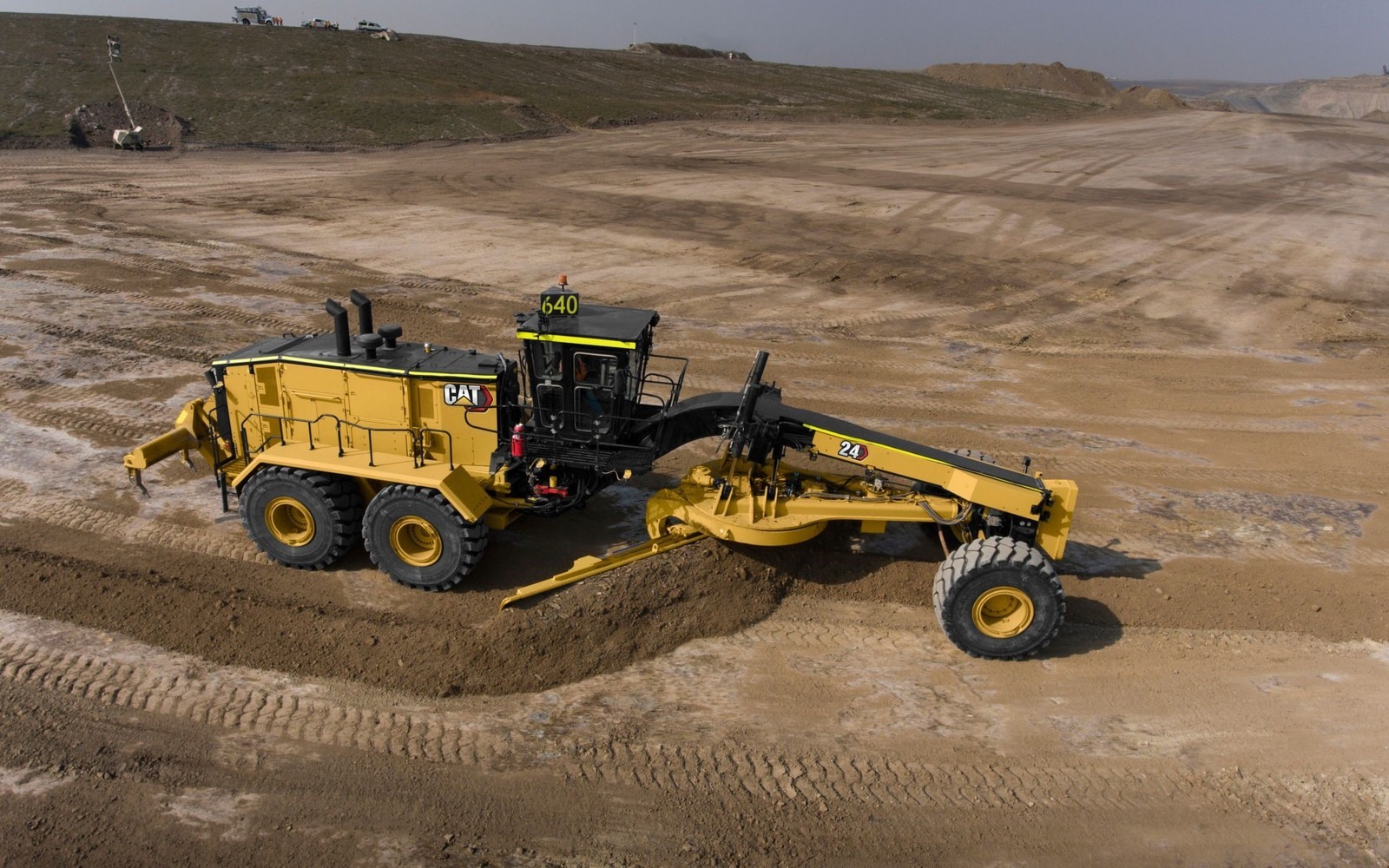
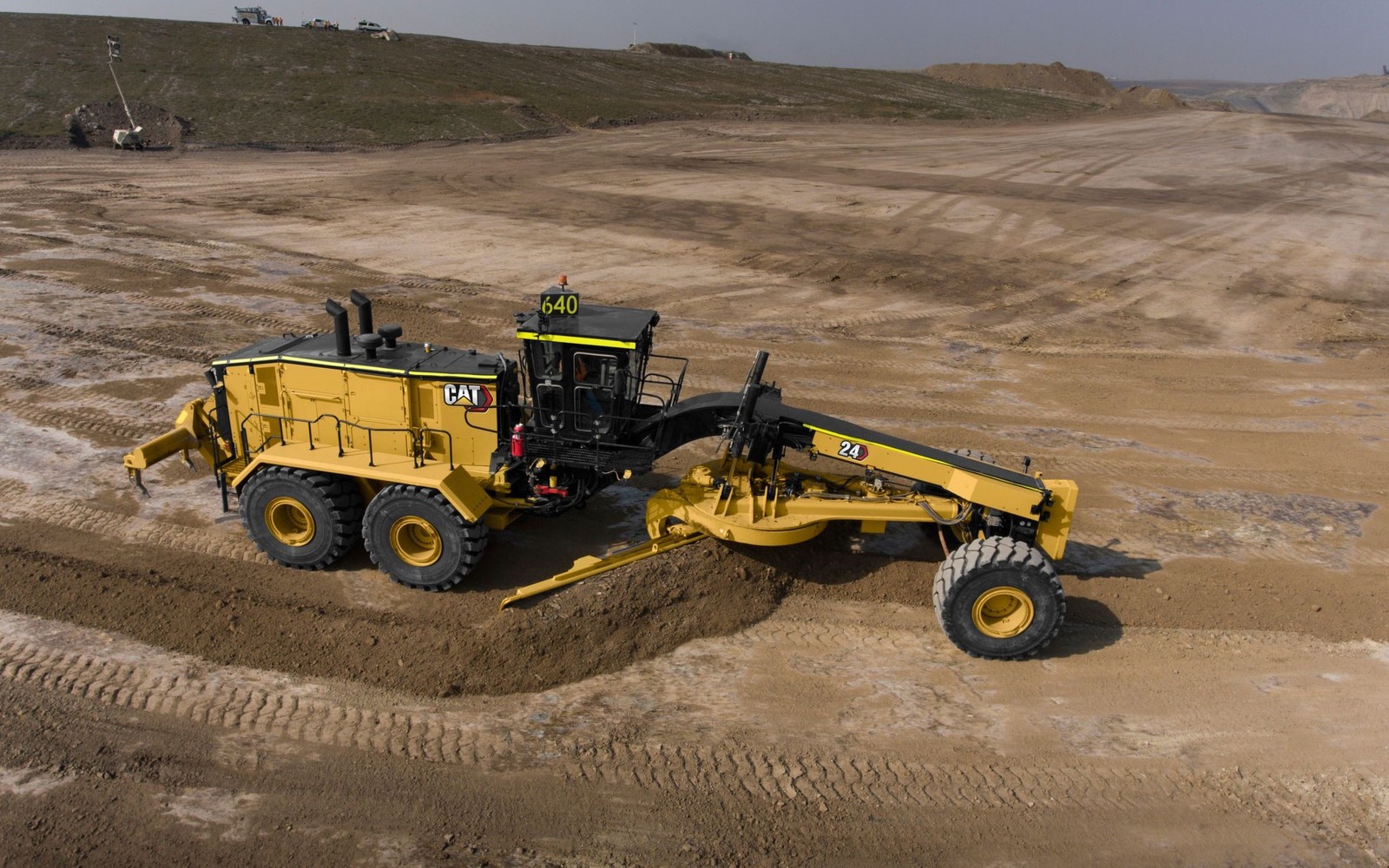
Collateral Reviewed
Equipment location, current payoff, lien status, value support, and how the asset is used in the business.


Sacramento is California's capital, but for equipment operators it is also the gateway to Northern California's construction market, the Delta agricultural region, and the mountain counties to the east. Contractors here work state and county projects, private development, and utility infrastructure. Truckers run the I-80 and I-5 corridors. If you own iron in the Sacramento region, it has equity. Cash-out equipment refinancing turns that equity into capital you can deploy in a week or two. Minimum $50,000.
State infrastructure spending is a constant in Sacramento. Highway maintenance, levee work in the Delta, and the regional transit buildout all require earthmoving and paving equipment. Road and highway contractors who hold state and local contracts run motor graders, pavers, and rollers that make payment history steadily. That payment history translates to equity that is available for cash-out refinancing.
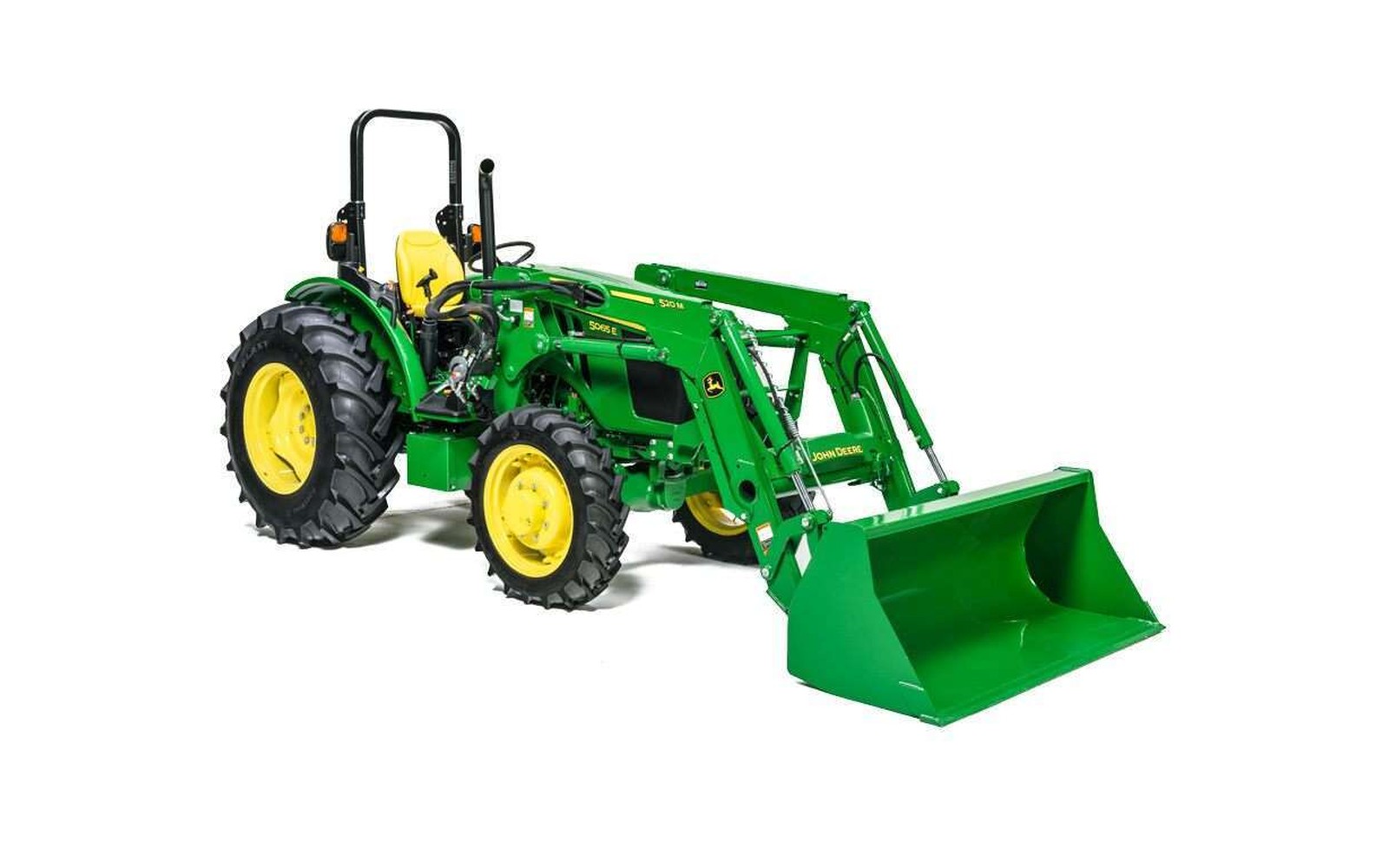
The Sacramento Valley is agricultural: rice in the north, row crops in the south, and orchards throughout. Agricultural contractors and larger farming operations running tractors and harvest equipment have capital tied up in machines that work for a portion of the year and sit the rest. Farm tractor refinancing in the Sacramento region is a transaction we work with regularly, particularly for operators who need capital in the off-season when the machines are idle but the bills continue.
Construction in the Greater Sacramento area has been driven by population growth in communities like Elk Grove, Roseville, and Folsom. Construction contractors working these suburban expansion zones own excavators, skid steers, and concrete equipment that accumulate equity with every payment cycle.
Earthmoving equipment from the region's active construction and infrastructure market is the most common collateral type we see from Sacramento operators. Excavator refinancing and motor grader refinancing are frequent transactions, driven by the scale of public infrastructure work and the suburban development surrounding the metro.
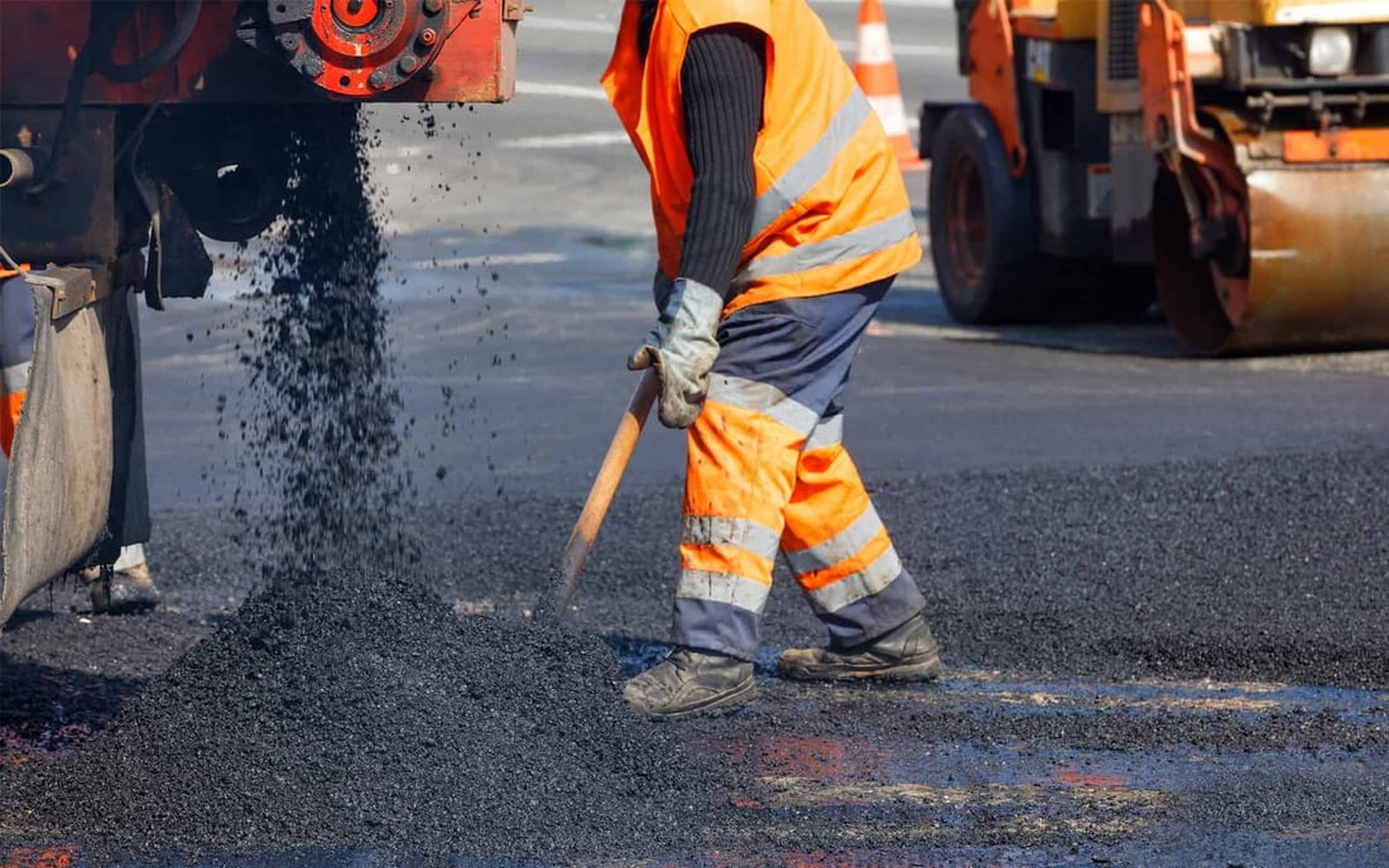
Paving equipment is a Sacramento specialty. The volume of state and county road work in Northern California means asphalt contractors run expensive pavers, rollers, and milling machines. Asphalt paver refinancing and road roller refinancing are transaction types we see from Sacramento's highway construction sector. These are specialized machines with strong market demand in this region.
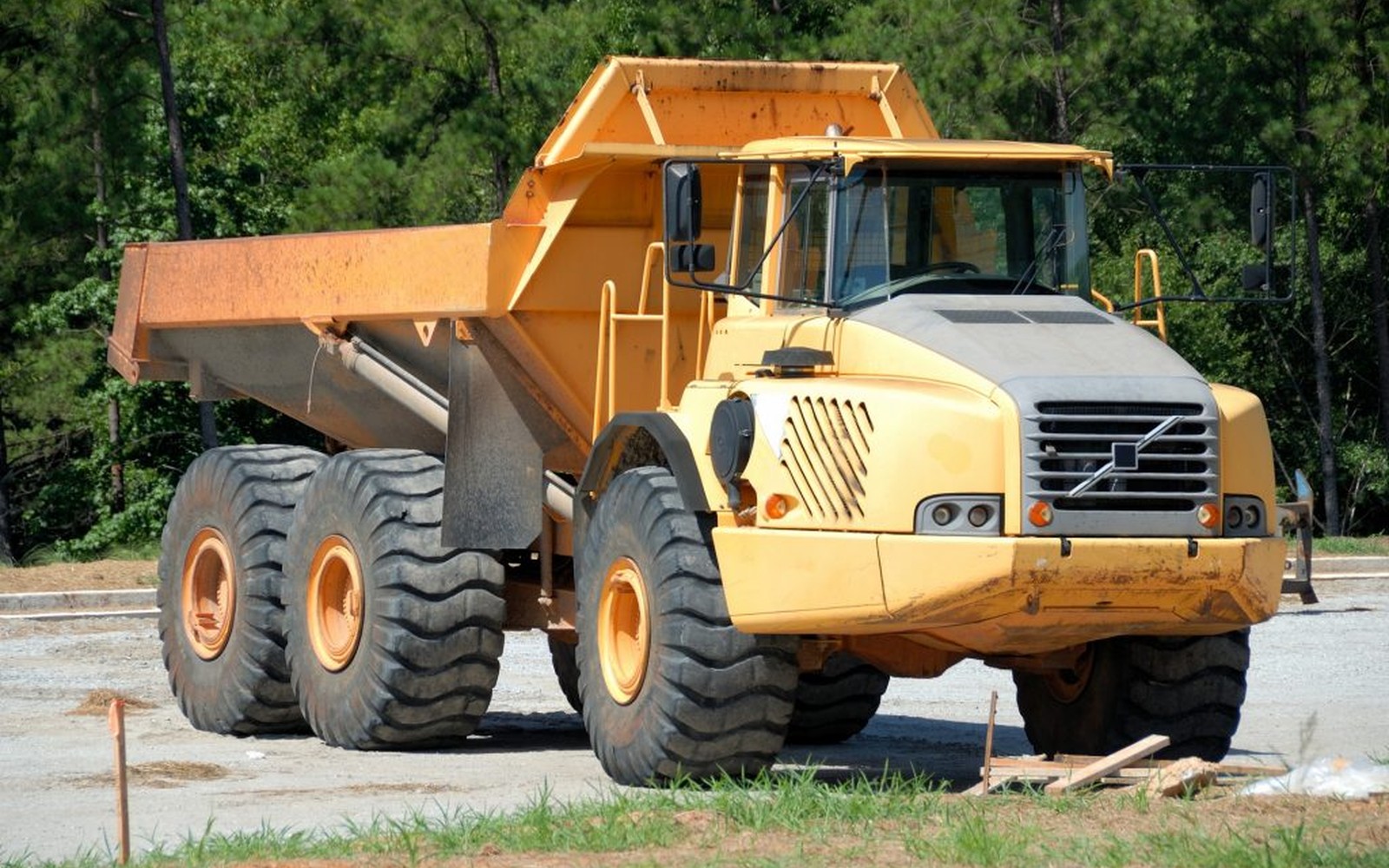
Trucking equipment running the I-80 corridor to the Bay Area and the I-5 north-south route generates regular refinancing transactions. Dump truck refinancing for contractors moving fill material and aggregate on the Sacramento Valley's active job sites is also a common deal type here.
Submit your equipment information online or by phone. We order a current-market valuation using data from the active used equipment market in Northern California. Within two to four business days, we return a term sheet showing the advance amount, interest rate, term, and monthly payment. If you accept, documents execute electronically and the wire transfers in a few days.
For deals under roughly $400,000, the process is Application-Only Financing: no tax returns, no full financial disclosure. Three months of bank statements come in on larger transactions. We handle any existing lien payoff at closing. Clear title is the critical requirement throughout. California's DMV title system is well-established and lien clearances run on standard timelines here.
The sale-leaseback option is available for Sacramento operators who want to maximize capital extracted from a machine rather than just the equity above a payoff. Both paths close on similar timelines.
Every cash-out refinancing transaction involves used equipment, by definition. You cannot build equity in a machine you bought yesterday. The Sacramento market runs a lot of five to ten year old earthmoving, paving, and agricultural equipment that is still fully productive and carries significant market value. Used equipment financing is our core business, and we are comfortable with the asset class.
A 2017 Cat 320 excavator with 4,500 hours and a good service history is worth real money in the Northern California market. A 2016 Volvo paver with current certification is a marketable asset. The used market for well-maintained construction equipment in California is active, which gives us confidence in the valuations and, in turn, gives us the ability to advance against them.
Northern California's equipment market is active and the values here support strong advance rates. Send us your equipment list and current loan balances. We will have numbers back to you in one business day and funding completed in about two weeks.
Also see our information on road and highway contractor financing and explore B and C credit options if your credit history has rough spots.
These are the underwriting points the desk uses to turn the taxonomy page content into a real cash-out structure.
Equipment location, current payoff, lien status, value support, and how the asset is used in the business.
$50. The available cash is based on verified value minus the existing payoff.
1-2 weeks.
Every cash-out refinancing transaction involves used equipment, by definition.
State contract status does not affect the equipment's refinancing eligibility. The agency is not a party to the equipment financing transaction.
Subcontractors qualify in the same way prime contractors do. Your role on the project does not affect your eligibility to finance the equipment you own.
Seasonal business patterns are common in Sacramento's market. We look at the full pattern of cash flow, not just the slowest month.
Yes. The tax treatment of the purchase does not affect the machine's eligibility as collateral. The tax basis and the financing are separate matters.
Yes. Tribal business entities with equipment and proper documentation are eligible applicants. Tribal businesses are not excluded.
Send the machine, payoff, and target cash-out amount. We will review the file and come back with rate, term, payment, and net proceeds.
Tell us what you are buying, who is selling it, and when you need it earning. We will review the file and point you to the next step.