Collateral Reviewed
Asphalt Paver Refinancing value, payoff, age, hours or mileage, attachments, condition, and remaining useful life.

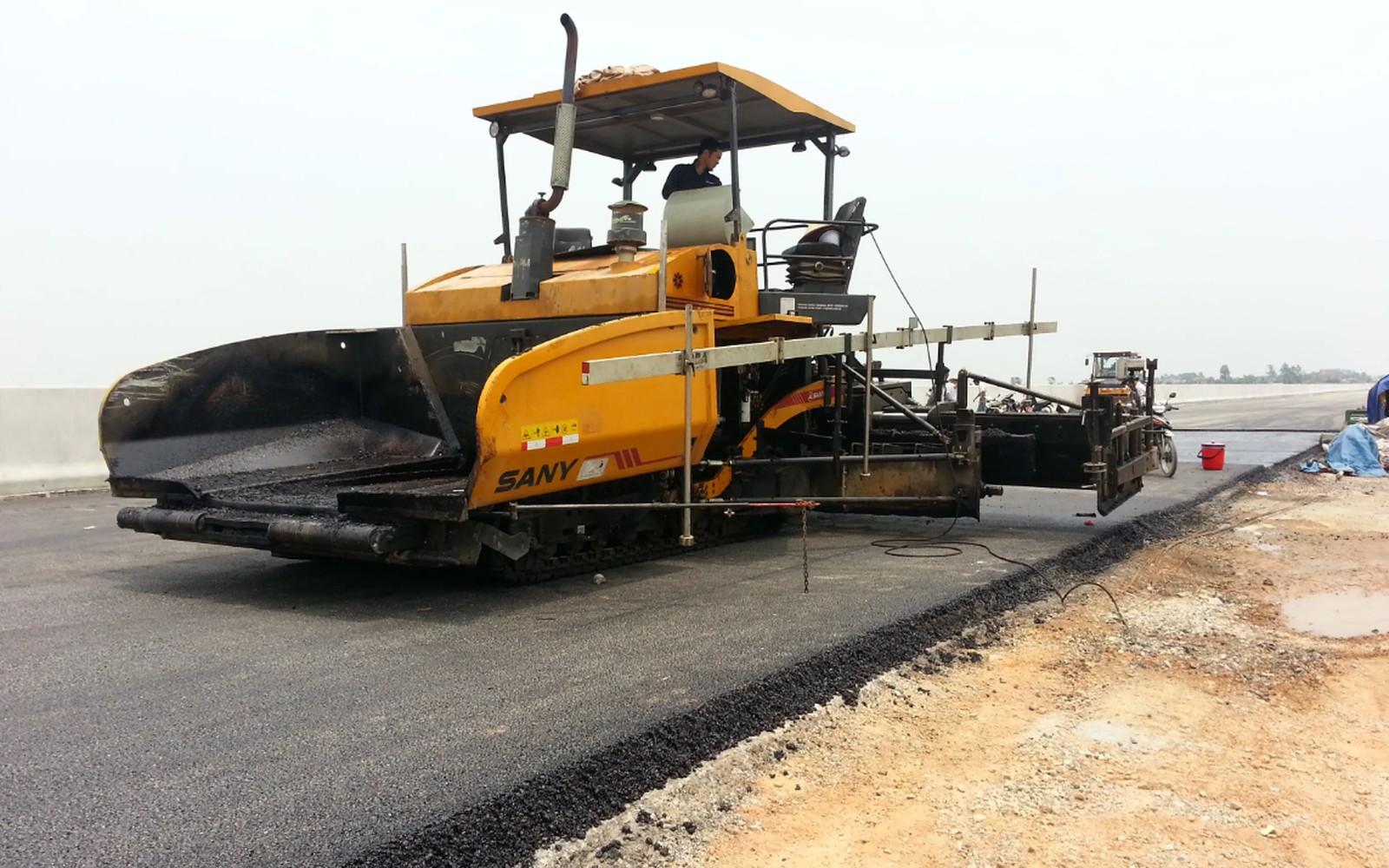
Paving season is where the money is made, and asphalt pavers are the machines that earn it. An operator who owns the paver rather than renting it holds a significant asset, and that asset carries equity that can come out through a refinance without missing a single ton of asphalt. Capital in hand during the off-season, before the next paving season's bids need to be bonded and mobilized, is the most useful capital in paving. A cash-out refinance delivers it.
We refinance asphalt pavers in the wheeled and tracked configurations, from commercial and residential class machines to highway-grade high-density pavers. The structure is clean: application, machine details, three months of bank statements, and we put a real advance number in front of you. Funding closes in about two weeks from a complete package.
Asphalt pavers are seasonal-use machines in most markets, which means they accumulate hours more slowly than year-round equipment. That slower hour accumulation, combined with the significant cost of replacement, supports their residual value in the secondary market.
Key valuation factors:
Caterpillar AP series pavers and Volvo P series machines hold strong secondary market values. Less common brands may require a third-party appraisal.
Operators serving road and highway markets maintain their pavers rigorously because paver downtime during a paving season is one of the most expensive problems in the business.
Asphalt paving is a capital-intensive business with seasonal cash flow. The refinancing use case aligns tightly with those characteristics.
Markets with active road and infrastructure maintenance, including Denver, Chicago, and Atlanta, generate steady paver demand and support the resale values that make refinancing viable.
Two paths extract value from an asphalt paver. A cash-out refinance borrows against the equity, keeping the paver titled in your name. An equipment sale-leaseback transfers title to the lender and leases the paver back to you at a fixed monthly rate.
For pavers costing on the order of $150k to $400k, the financial difference between the two structures is often modest. The more important distinction is operational: under the leaseback, you are paying to use an asset you sold, and the monthly payment is fixed regardless of seasonal paving volume. For an operator with strongly seasonal revenue, that fixed payment during the off-season is a real budget consideration.
A refinance with a seasonal payment structure can solve that problem by aligning higher payments with the paving season and lower payments with the winter. This hybrid approach gives you equity access and payment timing that matches the revenue cycle.
Most asphalt paver refinancing falls within the application-only financing range. The application plus three months of bank statements drive the decision for single-unit transactions. Larger fleet deals or deals above $400,000 add tax returns.
What to prepare:
We extend credit consideration to B and C profile borrowers. A paving contractor with a clear seasonal revenue pattern, even if the off-season cash flow looks thin on the statement, is a well-understood profile in this lending category. The B/C credit track is available for applicants whose credit reflects prior business stress rather than chronic mismanagement.
These are the underwriting points the desk uses to turn the taxonomy page content into a real cash-out structure.
Asphalt Paver Refinancing value, payoff, age, hours or mileage, attachments, condition, and remaining useful life.
$150. The available cash is based on verified value minus the existing payoff.
1-2 weeks.
Asphalt paving is a capital-intensive business with seasonal cash flow.
Seasonal storage is normal for paving equipment and is not a negative factor. Many operators store their pavers over winter and the lenders who work in this space understand the business model. What matters is that the machine is properly stored and maintained during the off-season.
Yes. The machine does not need to be idle. The refinancing process happens in parallel with ongoing operations. The paver keeps paving while the application is submitted, underwriting happens, and documents are signed. The transaction closes on paper; the machine never leaves your control.
Non-functioning heating elements reduce the screed's utility and the appraisal. If replacement is affordable and can be done before the inspection, doing so is worth it. If replacement is expensive or time-sensitive, disclose the issue and we will work with the appraisal as-is.
Yes. Material purchases, working capital, bonding requirements, payroll, or any business need is an accepted use of the equity proceeds. Cash received at closing from a refinance has no use restrictions from the lender's side.
Age alone is rarely the disqualifier. A 15-year-old paver in excellent mechanical condition with a freshly rebuilt screed may still carry $80,000 to $120,000 in value. A 7-year-old paver with a worn-out screed and deferred maintenance may carry less. We evaluate condition, not calendar year, as the primary factor.
Tell us the paver make, model, screed configuration, current hours, and existing payoff. We evaluate the machine and come back with a real advance number, not a range. Application is short, bank statements are three months, funding closes in about two weeks. Start the quote and have capital ready before the paving season opens.
Tell us what you are buying, who is selling it, and when you need it earning. We will review the file and point you to the next step.