Collateral Reviewed
Road Roller / Compactor Refinancing value, payoff, age, hours or mileage, attachments, condition, and remaining useful life.

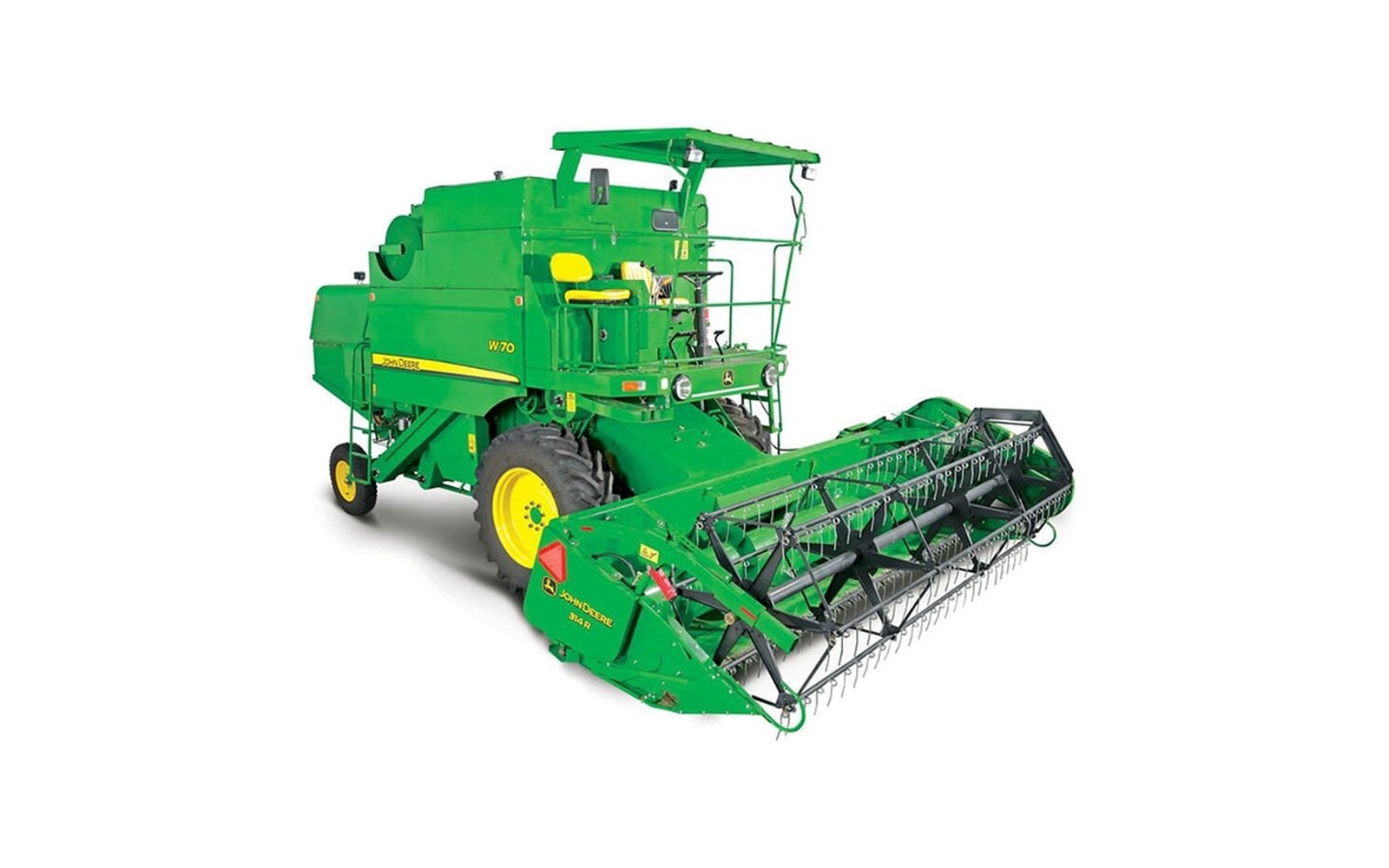
Compaction equipment follows the paving season, and contractors who own their rollers rather than renting or subcontracting accumulate equity over the life of the notes. That equity is accessible through a cash-out refinance without touching the machine or the season's paving program. Whether you run a tandem drum roller, a pneumatic tire roller, or a single-drum vibratory compactor, the equity structure works the same way.
We refinance road rollers and compactors from light utility class machines up to heavy single-drum soil compactors used in earthwork. The application is short, the documentation is straightforward, and most transactions fund within two weeks of a complete package. The machine rolls. The capital moves to where it works next.
Compactors split into three main categories in the used market, and lenders think about their values differently because the buyer pools differ.
Tandem drum rollers are the workhorse of asphalt compaction. They are widely traded, well-understood by lenders, and supported by strong demand from paving contractors of all sizes. A clean tandem drum roller with low hours and functional vibration systems appraises predictably.
Pneumatic tire rollers serve asphalt finish compaction and granular material applications. They are less common than tandem drum rollers and have a slightly narrower used market, but demand from paving and road base contractors sustains the resale value.
Single-drum vibratory soil compactors in the 10-ton to 25-ton class are used in earthwork, dam, and embankment compaction. These are higher-ticket machines with a specific buyer pool in the earthmoving and infrastructure market.
Key valuation factors across all types:
Operators serving road and highway construction markets generate the most roller equity because the machines work consistently on major paving programs with defined schedules and documented production.
Road roller refinancing fits a specific operator profile: contractors who own their compaction equipment, run it seasonally, and need capital during or between seasons without selling the machine.
Markets with strong infrastructure investment, including Nashville and Salt Lake City, generate consistent demand for road construction equipment including compaction machines.
Road roller refinancing runs on the same documentation framework as other heavy equipment. Most transactions fall within the application-only financing threshold, keeping the documentation burden minimal. Larger single-drum soil compactor deals may require full financials.
Documentation checklist:
Credit requirements are flexible. We work with B and C credit profiles in the compaction equipment segment. The B/C credit track evaluates machine value and cash flow alongside the credit score. A paving contractor with strong seasonal deposits and a few credit blemishes from a slow winter is a normal profile in this market.
These are the underwriting points the desk uses to turn the taxonomy page content into a real cash-out structure.
Road Roller / Compactor Refinancing value, payoff, age, hours or mileage, attachments, condition, and remaining useful life.
$180,000. The available cash is based on verified value minus the existing payoff.
Two weeks.
Working capital, down payments, debt cleanup, slow-season coverage, and project mobilization.
Age alone does not disqualify a machine. A ten-year-old tandem drum roller with low seasonal hours, a documented service history, and functioning vibration systems can still carry significant equity. Condition and hours are the primary factors, not the model year.
Worn eccentric bearings that cause vibration system malfunction are a meaningful appraisal deduction because they affect the machine's core function. If the rebuild is affordable, doing it before the appraisal is worth it. If not, disclose the condition and we will work with the adjusted value.
Yes. Mixed-type fleet refinances are common. Each machine is appraised individually and the combined advance covers the fleet as a package. Different roller types in one fleet reflect how real paving operations work, and lenders in this space expect it.
In urban work zones where Tier 4 compliance is required by environmental regulations, a Tier 4 machine commands a meaningful premium because it can access bids that a Tier 3 machine cannot. In rural markets without Tier requirements, the premium is smaller. Let us know where your machine typically works and we will factor that into the valuation.
Yes. Cash proceeds from a refinance are unrestricted. A down payment or full purchase of additional equipment, working capital, bonding costs, or any other business purpose is accepted. There is no lender approval required for how you deploy the capital after funding.
Machine make, model, type, serial number, current hours, and existing payoff if any are all we need to start. We evaluate the equipment and come back with a real advance number. Application is short, bank statements are three months, and funding closes in about two weeks. Start the quote today.
Tell us what you are buying, who is selling it, and when you need it earning. We will review the file and point you to the next step.