Collateral Reviewed
Revenue-producing equipment already working in the operation, with payoff and current value documented.

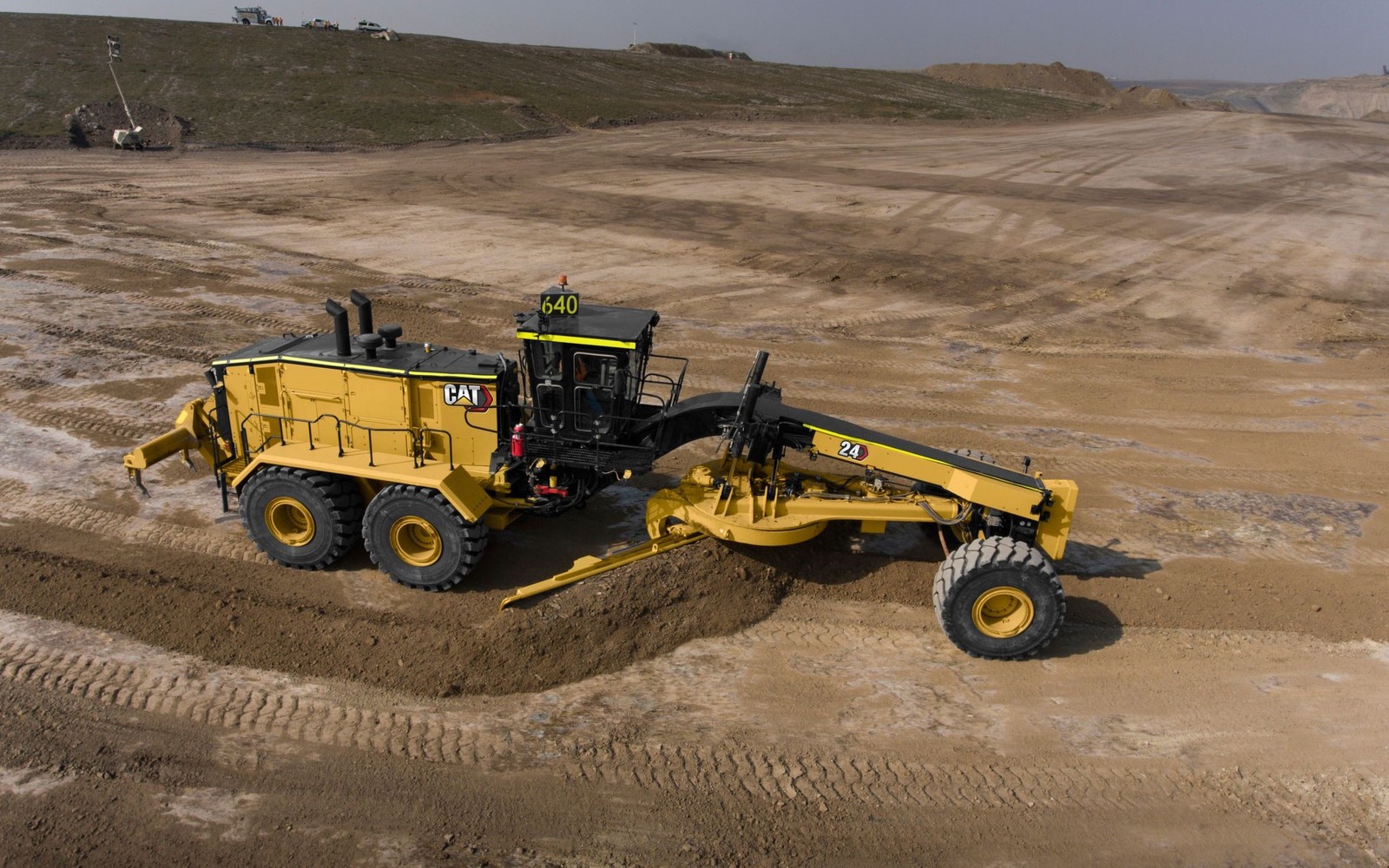
A motor grader or a paver that has been working state contracts for three years is not just a machine anymore. It is equity. Road and highway contractors who recognize that turn paid-down iron into capital for bonding, crew ramp-up, and material deposits before the next project funds.
We structure cash-out refinancing for road contractors of all sizes, from small county subcontractors running one paver to mid-size prime contractors with full highway crews and a ten-machine fleet. The iron you have paid down becomes the collateral, and the proceeds go directly into your operating account.
Minimum transaction is $50,000. Road and highway operators typically transact between $150,000 and $600,000 per deal given the size of the equipment involved. Application-only processing covers transactions up to roughly $400,000. Above that, we work with your financial statements and move just as efficiently.
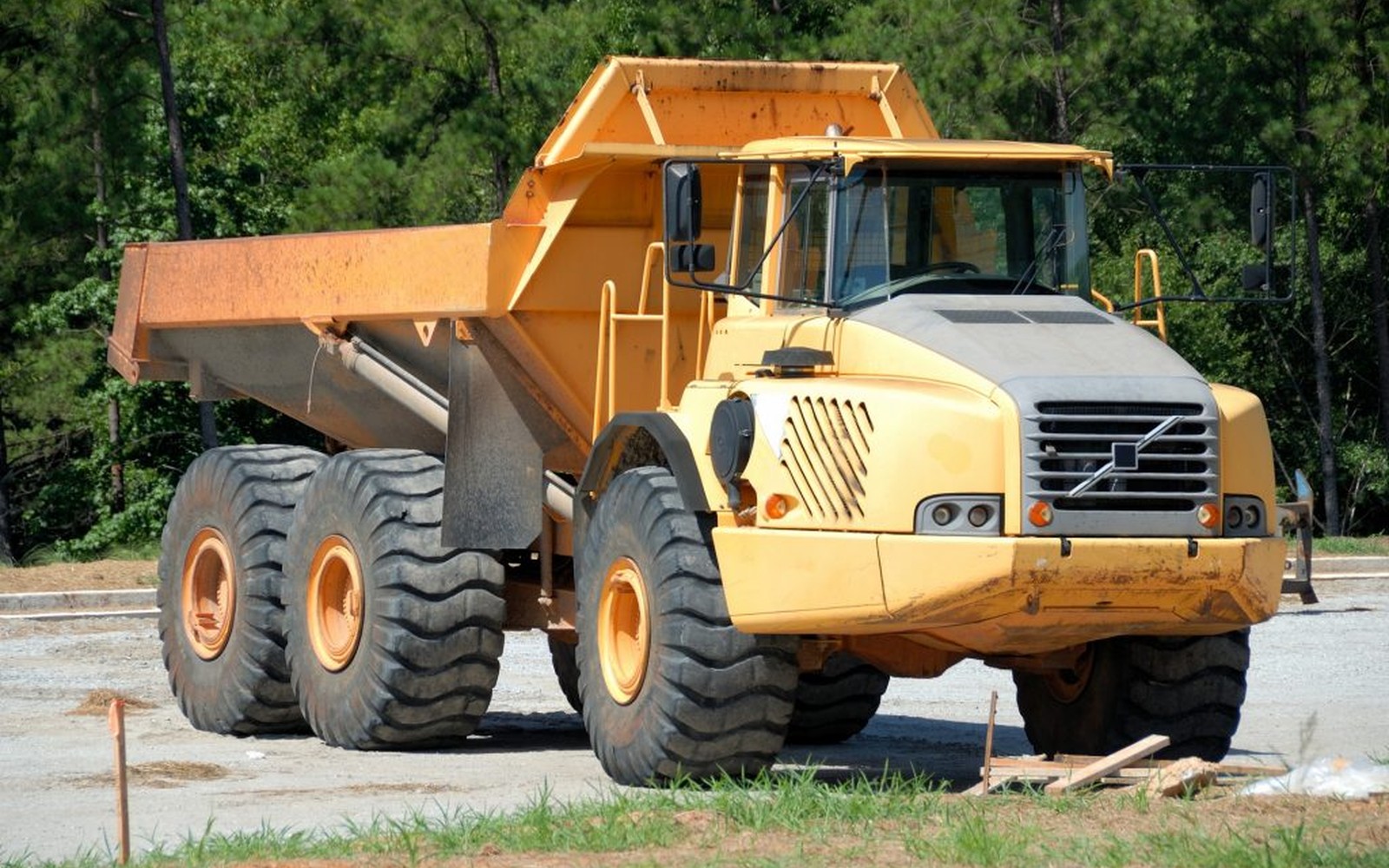
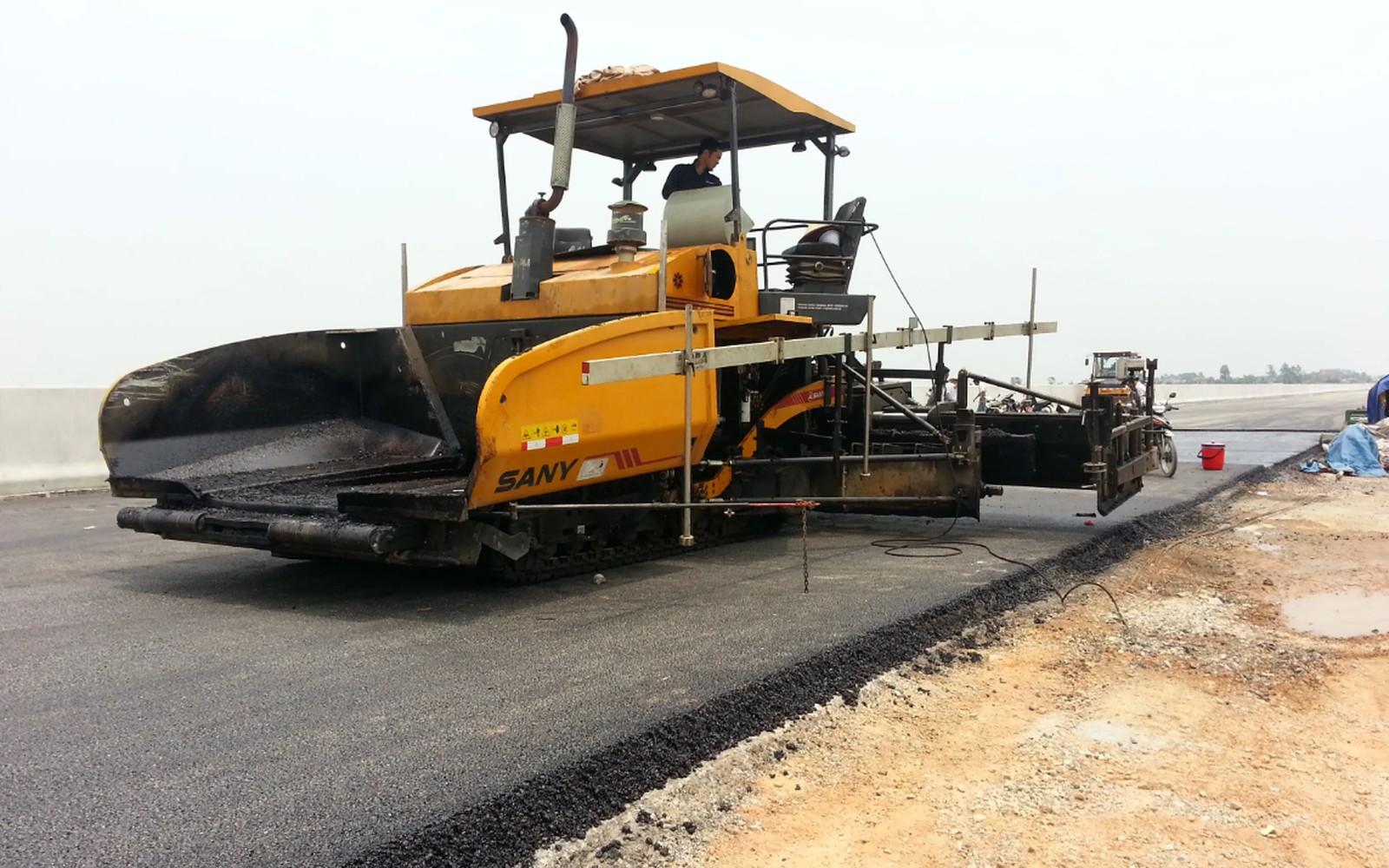
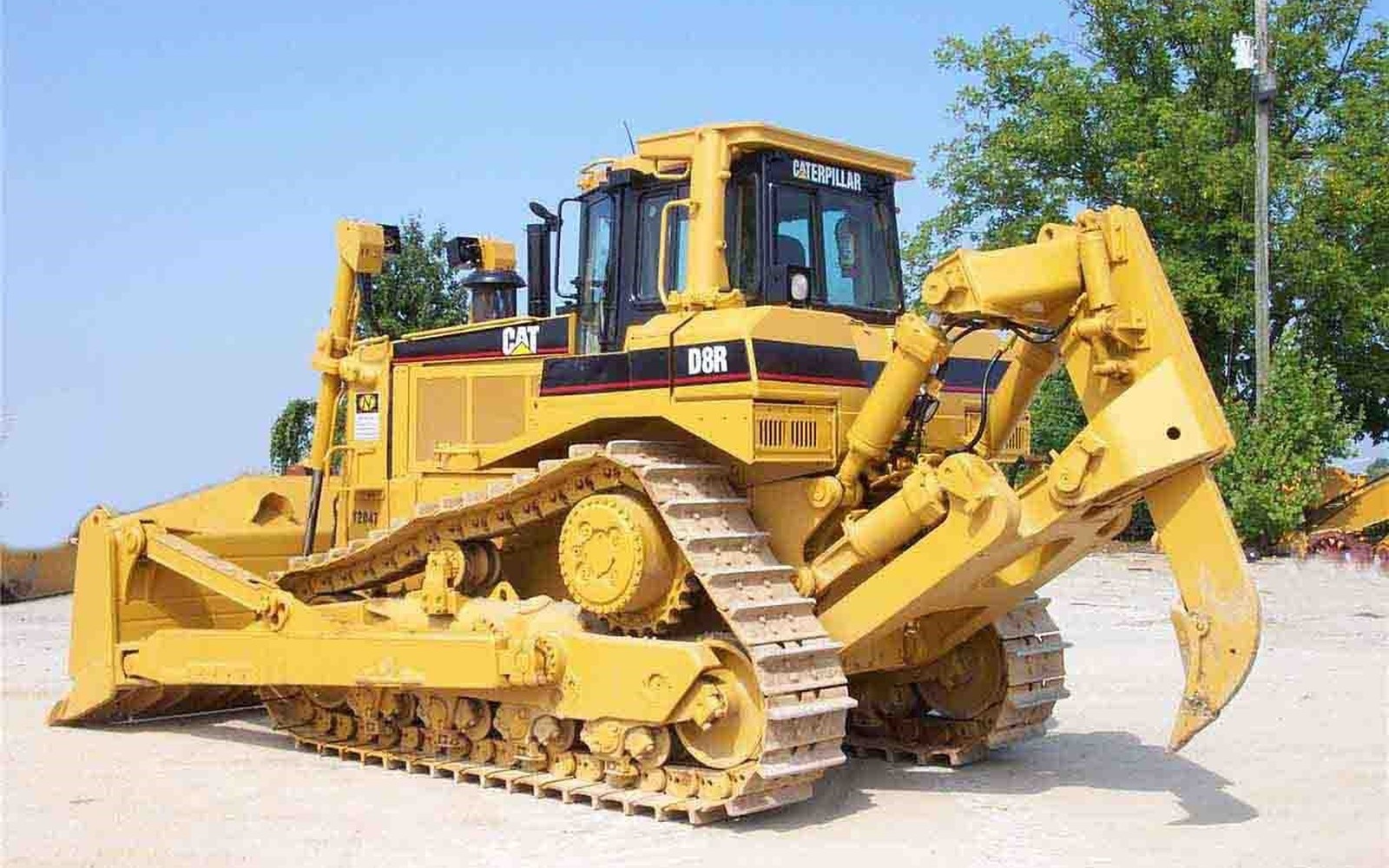
Road and highway fleets center on paving and compaction equipment with a supporting cast of earthwork machines. The primary assets we lend against in this space:
Equipment working on DOT contracts or state highway programs is particularly solid collateral because utilization is documented and the work history is verifiable.
State and federal highway contracts run long billing cycles. Contractors mobilize, grade, pave, and complete segments before payment arrives, and retention is often held until substantial completion of the full project. That structure puts cash-flow pressure on every contractor in the chain regardless of how profitable the work is.
Pulling equity from existing equipment solves part of that problem without adding overhead to the bonding analysis. A refinance transaction does not show up as a new contingent liability the way a new equipment loan does. Proceeds sit on the balance sheet as cash, which often strengthens the surety analysis rather than weakening it.
Road contractors operating in high-activity corridors like Dallas-Fort Worth, Phoenix, and Nashville run this structure regularly because infrastructure spending in those markets has stayed strong and the work pipeline justifies leveraging the fleet.
The process: you apply, provide three months of bank statements and equipment details, we order a value estimate and issue a term sheet. If the terms work, docs are signed and proceeds wire to your account. Most transactions close in one to two weeks from a complete file.
If the machine has an existing lien, we pay that off first and you receive the net proceeds. If it is free and clear, you receive the full loan amount. The new lien runs for the term of the refinancing note, typically two to five years depending on asset type and loan size.
For contractors who want to monetize the full market value of equipment rather than just the equity above an existing note, equipment sale-leaseback is the alternative. Sell the machine, lease it back, keep it on the job, get the full value in cash. Both structures are available and we walk you through both before you decide.
Road contractors who get the most out of this structure tend to share a few traits. They have equipment that is two or more years into the paydown. They have a contract awarded or a bid strong enough that pulling capital from existing assets is justified by the work in the pipeline. And they prefer to grow the fleet and the revenue base without equity partners.
This also works for contractors who are transitioning from subcontract work to prime contracting on larger projects. The bonding capacity required for a prime contract is often the constraint, and cash from existing equipment helps build the liquidity that satisfies surety underwriters.
We also work with general construction contractors who run road-capable equipment as part of a broader civil fleet, and with site work contractors whose fleet overlaps with highway-prep operations.
These are the underwriting points the desk uses to turn the taxonomy page content into a real cash-out structure.
Revenue-producing equipment already working in the operation, with payoff and current value documented.
$50. The available cash is based on verified value minus the existing payoff.
One to two weeks.
State and federal highway contracts run long billing cycles.
It helps in the sense that it documents utilization and establishes that the machine is operational and revenue-generating. It does not directly affect the loan terms, which are primarily driven by asset value, credit, and cash flow. But working equipment on active contracts is always a stronger picture than equipment sitting idle.
Yes. Purchased-used equipment qualifies as long as the current fair market value supports the loan amount. Milling machines tend to hold value well in the secondary market because there are fewer of them and the work they do is specialized. A three-year-old used planer frequently still has significant lendable equity.
That is one of the most common use cases we see. Equipment equity is a clean bridge because it does not depend on the project owner releasing funds, and the proceeds are in your account in about two weeks. Many road contractors use it exactly this way on long state contracts.
A cash-out refinance adds a liability (the new note) and also adds cash to your balance sheet. The net effect on bonding capacity depends on your surety's analysis, but proceeds sitting as liquidity generally read better than the same value locked in equipment equity. Discuss the timing with your surety agent before closing.
Yes. Most road contractors who use this structure do exactly that: pull equity from Machine A to make the down payment on Machine B. The new acquisition does not need to be related to the original collateral.
Share the equipment details and what you need the capital for. We will value the assets and come back with a structure the same day. No cost and no commitment to see what the iron is worth as collateral.
Tell us what you are buying, who is selling it, and when you need it earning. We will review the file and point you to the next step.