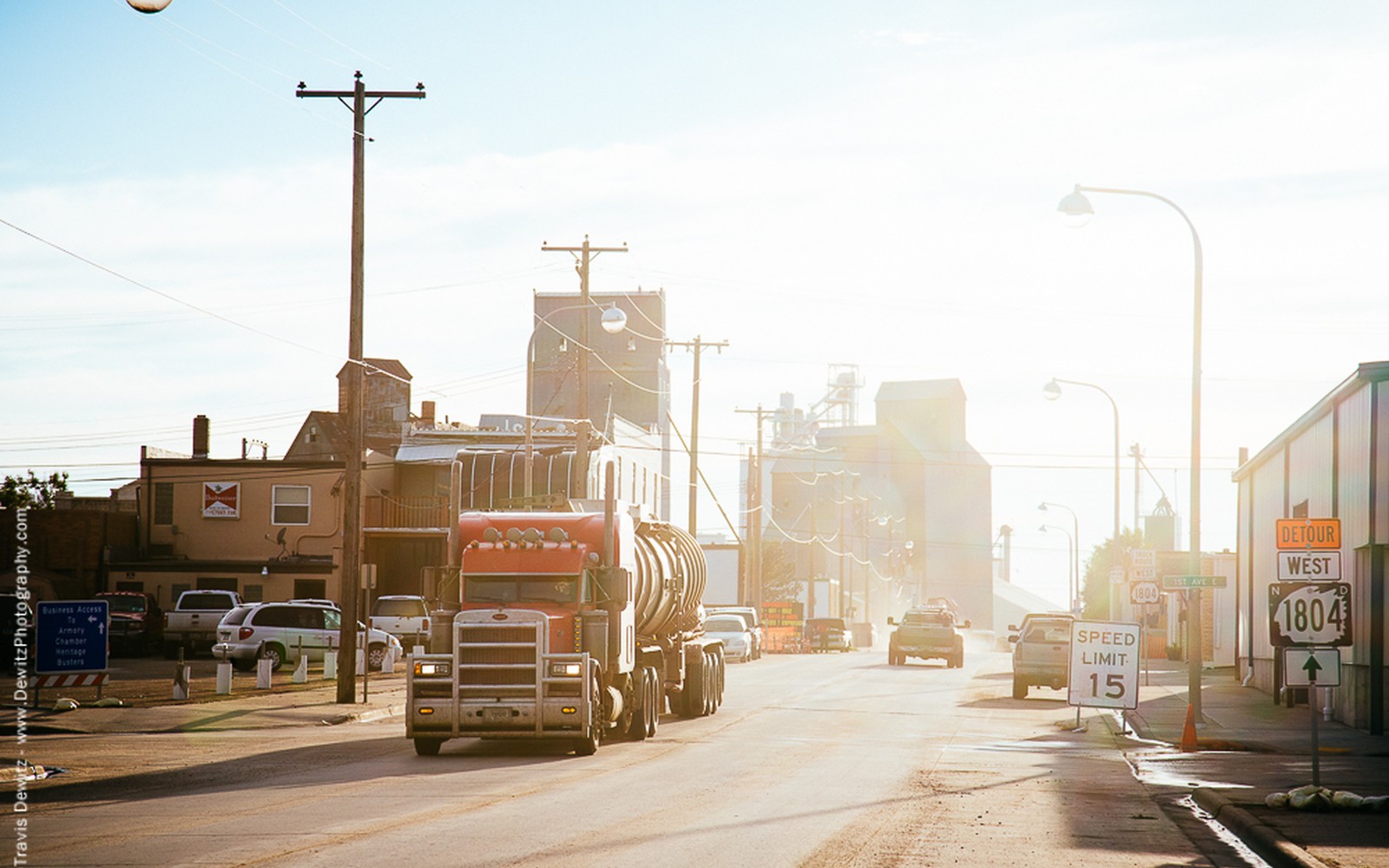
Collateral Reviewed
Equipment location, current payoff, lien status, value support, and how the asset is used in the business.


The Research Triangle has been one of the fastest-growing tech and life sciences markets in the country for over a decade, and the contractors and industrial operators supporting that growth have been buying and paying down equipment at pace. That equipment has equity in it. A cash-out equipment refinance releases that equity to cash in about one to two weeks, without selling an asset or interrupting a shift. Raleigh operators use this to fund the next project, the next piece of equipment, or the next contract, while the original machine keeps earning.
The Raleigh-Durham-Chapel Hill metro anchors North Carolina's technology and pharmaceutical economy. Research Triangle Park draws biotech, semiconductor, and software companies that generate continuous demand for lab buildouts, data center infrastructure, and facility expansions. Construction crews working these campuses and the surrounding residential and commercial development have been at full utilization. Agricultural operations across Wake, Johnston, and Harnett counties add a farming equipment dimension that many people overlook in a metro known for tech.
We fund Raleigh-area businesses from $50,000 upward. B and C credit considered. Application-only deals up to roughly $400,000. Most deals fund in about one to two weeks.
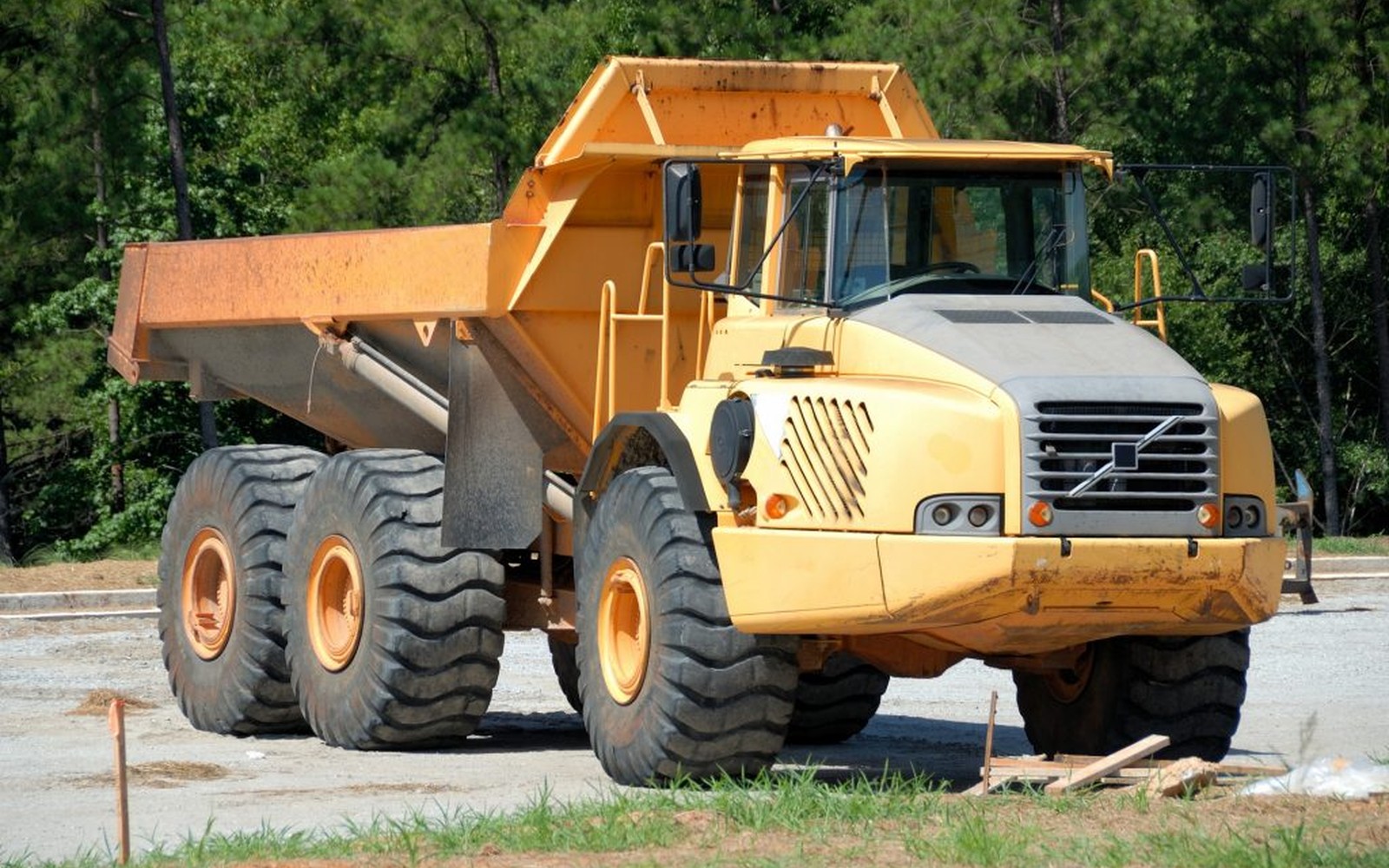
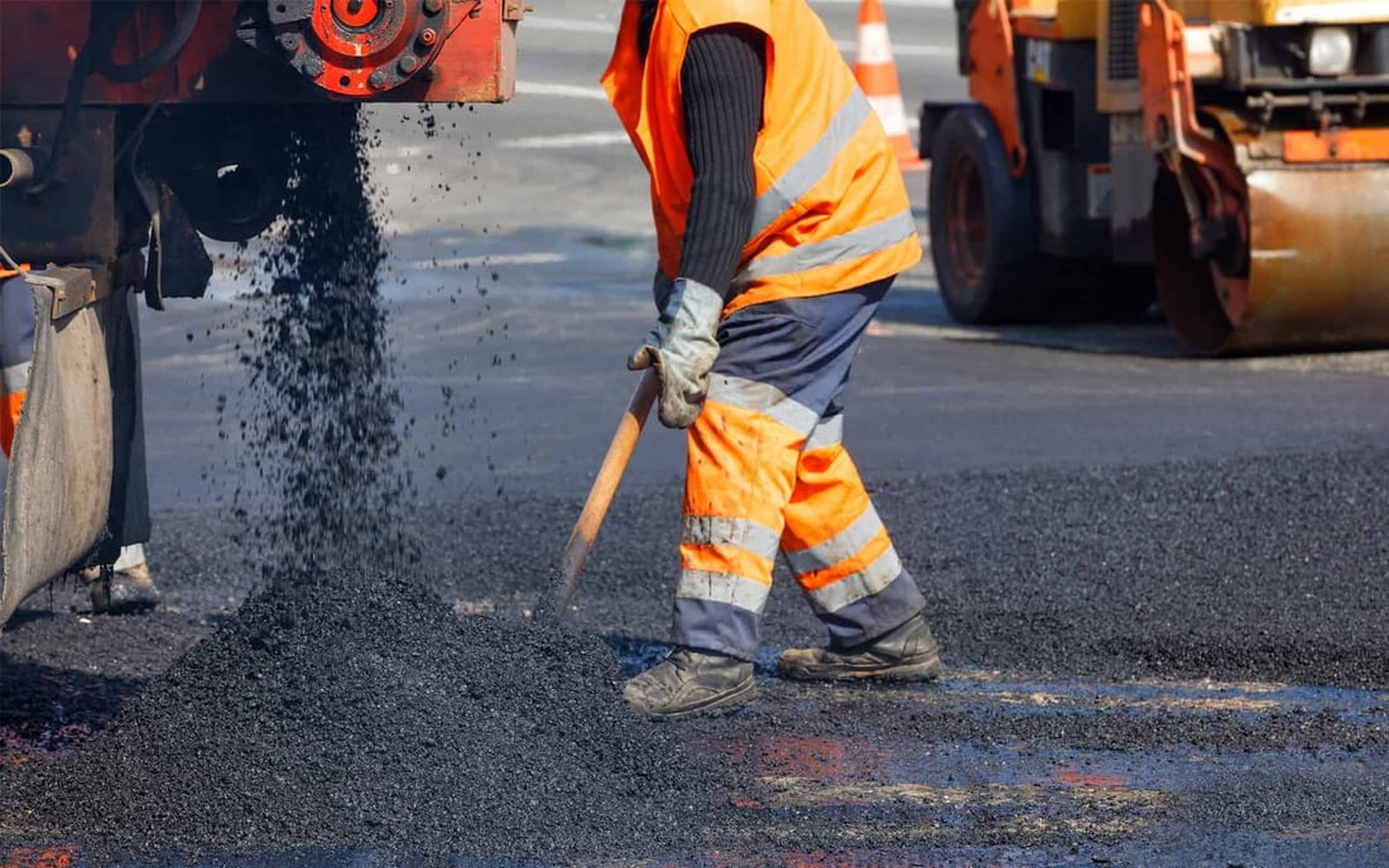
Construction is the most active equipment market in the Triangle right now. Tech campus expansions, hospital additions at UNC and Duke health systems, and relentless residential development in Cary, Apex, and Holly Springs have kept excavators, cranes, and concrete crews busy. Construction contractors in the metro have invested heavily in equipment to capture this work, and that investment has been accumulating equity.
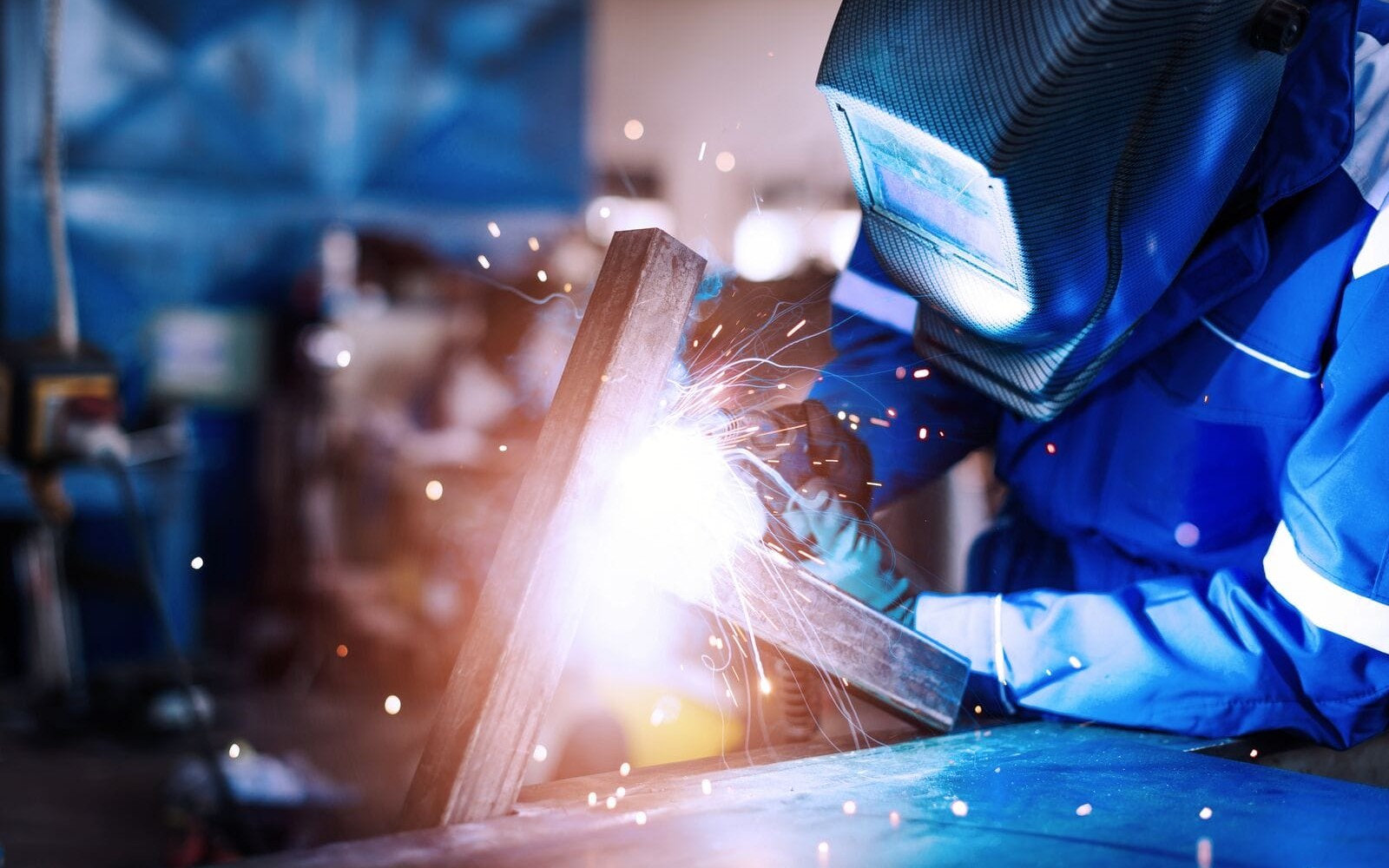
The pharmaceutical and biotech manufacturing sector around RTP also runs capital-intensive equipment: cleanroom HVAC systems, specialty process equipment, and laboratory instrumentation that can represent millions in capital investment. While our primary focus is heavy commercial equipment, manufacturing businesses with production equipment, precision machining cells, or industrial process machinery qualify when the asset has a verifiable secondary market.
Agricultural operations in Johnston and Harnett counties round out the picture. Tobacco, sweet potato, and grain operations in this part of North Carolina run tractors, harvest equipment, and irrigation systems that build equity. Agricultural operators in the counties surrounding the Triangle use cash-out refinancing during the off-season to capitalize the next year's inputs or equipment additions.
The typical Raleigh applicant is an established business owner with equipment that has been running and paying down for two or more years. They have a specific capital need: mobilizing a new project before the first draw, buying a new piece of equipment with their equity rather than new debt, or bridging payroll during a slow billing cycle. Cash-out refinancing is a capital management tool for active businesses, not a rescue for struggling ones.
We also work with B and C credit borrowers. B/C credit equipment financing is available with our financing desk for borrowers whose credit score does not reflect their current business strength. A contractor with a 595 score and three years of profitable operations and a well-maintained fleet is a fundable deal. We match the deal to lenders who look at the complete picture.
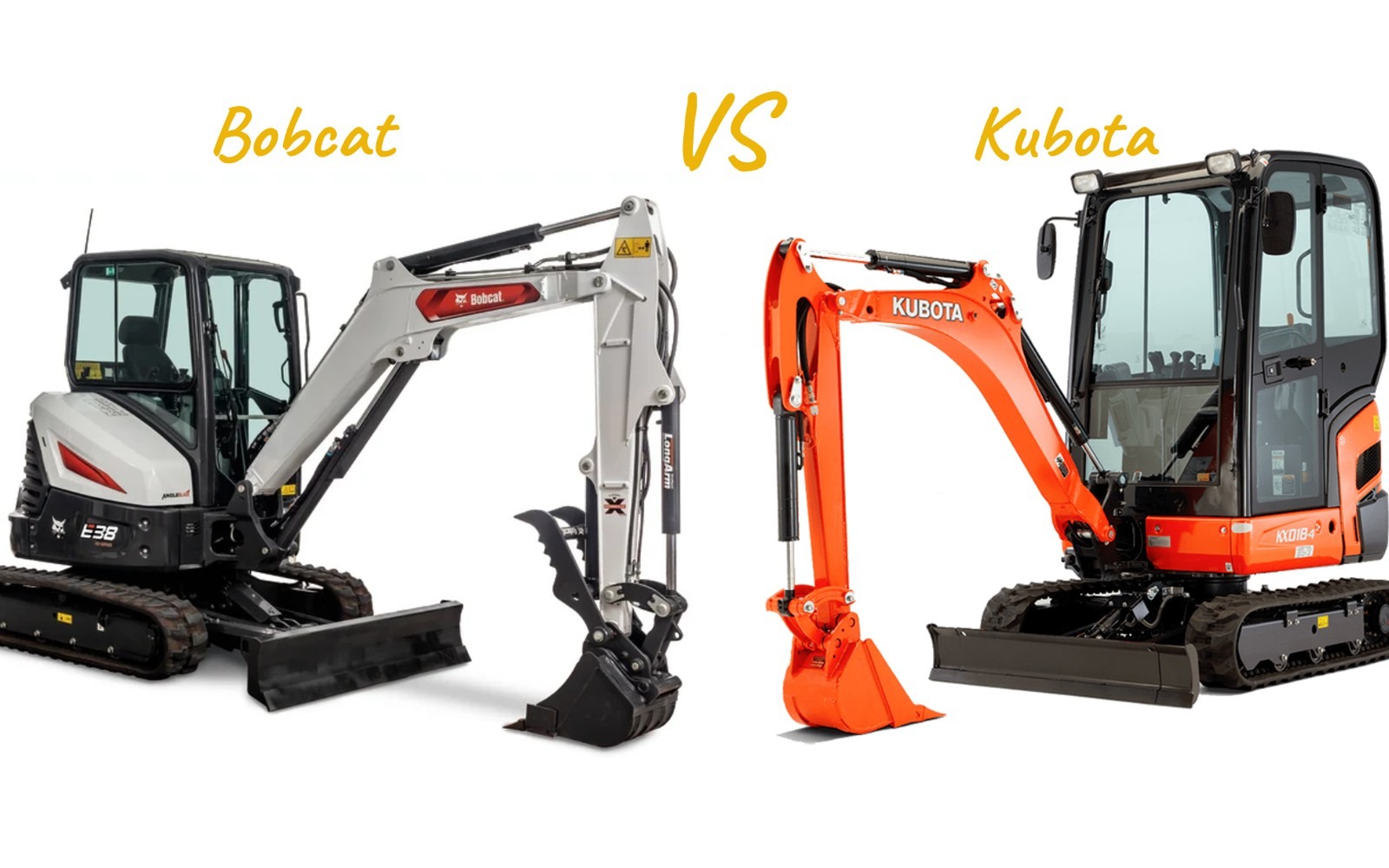
Owner-operators in the Raleigh market are welcome. A single excavator, a single semi truck, or a single piece of farming equipment worth $75,000 or more is a real transaction. The opportunity to access equipment equity is not limited to large companies.
Apply with the basics: equipment owned, approximate current value, existing lien balance, and your capital need. We issue a term sheet within 48 hours. Review the loan amount, rate range, term, and monthly payment. Accept and we move directly to closing. Cash in your account in about one to two weeks. Equipment stays in operation throughout.
Documentation for deals under $400,000: application plus three months of bank statements. Above that: two years of tax returns and a current profit-and-loss. We front-load the document list so you know exactly what to gather. No surprise mid-process requests.
Existing liens get paid off at closing. Your net cash is the loan amount minus that payoff and transaction costs. All costs are disclosed in the term sheet before you commit. The transaction is a secured loan, not a sale. Ownership does not change; only a lien is placed on the asset.
If you own equipment outright, a Equipment Sale-Leaseback unlocks the full market value rather than a partial cash-out. Sell the machine at its appraised value, take the cash, operate it under a lease. Raleigh construction operators and manufacturing businesses have used this structure to fund large capital moves: a facility addition, a fleet expansion, or a significant materials purchase when the cash need exceeded what a refinance would generate.
The leaseback is also useful for balance sheet management. The asset moves off and the lease becomes a fixed operating expense. For businesses trying to improve their debt-to-equity ratio or present a cleaner balance sheet for another financing purpose, this can be a significant advantage.
We model both structures side by side. You see the cash amount, payment, and balance sheet impact before you decide. The right structure is the one that fits your specific situation, not a default recommendation.
Apply today and get a term sheet within 48 hours. $50,000 minimum, B/C credit considered, funding in about one to two weeks. See also: excavator refinancing and farm tractor refinancing for Triangle-area operators.
These are the underwriting points the desk uses to turn the taxonomy page content into a real cash-out structure.
Equipment location, current payoff, lien status, value support, and how the asset is used in the business.
$50. The available cash is based on verified value minus the existing payoff.
1-2 weeks.
The typical Raleigh applicant is an established business owner with equipment that has been running and paying down for two or more years.
High utilization means high hours, which is a factor in appraisal. But utilization also means documented cash flow from the machine's work, which helps the deal on the credit side. Lenders weigh both. A machine with high hours but documented maintenance and current market comparables still qualifies.
Yes. Auction-sourced equipment is a standard collateral type. The bill of sale and clear title are important, and we need to establish current value through appraisal or market comparables. The purchase source does not affect eligibility.
Yes. We can process and fund in one to two weeks, which fits within a pre-season window. The machine stays in your possession and operational control throughout. There is no conflict between financing and seasonal use.
Typically 70% to 90% of appraised value, depending on the asset type, credit profile, and lender. Cleaner credit, stronger assets, and lower loan-to-value ratios tend to produce the best terms. We give you the realistic range in the term sheet.
The equipment is encumbered by the lender's lien while the loan is outstanding. You can still sell it, but the sale must include a payoff of the loan balance. The buyer receives clear title only after the lien is released at closing. This is standard for any secured equipment loan.
Send the machine, payoff, and target cash-out amount. We will review the file and come back with rate, term, payment, and net proceeds.
Tell us what you are buying, who is selling it, and when you need it earning. We will review the file and point you to the next step.