Collateral Reviewed
Equipment location, current payoff, lien status, value support, and how the asset is used in the business.

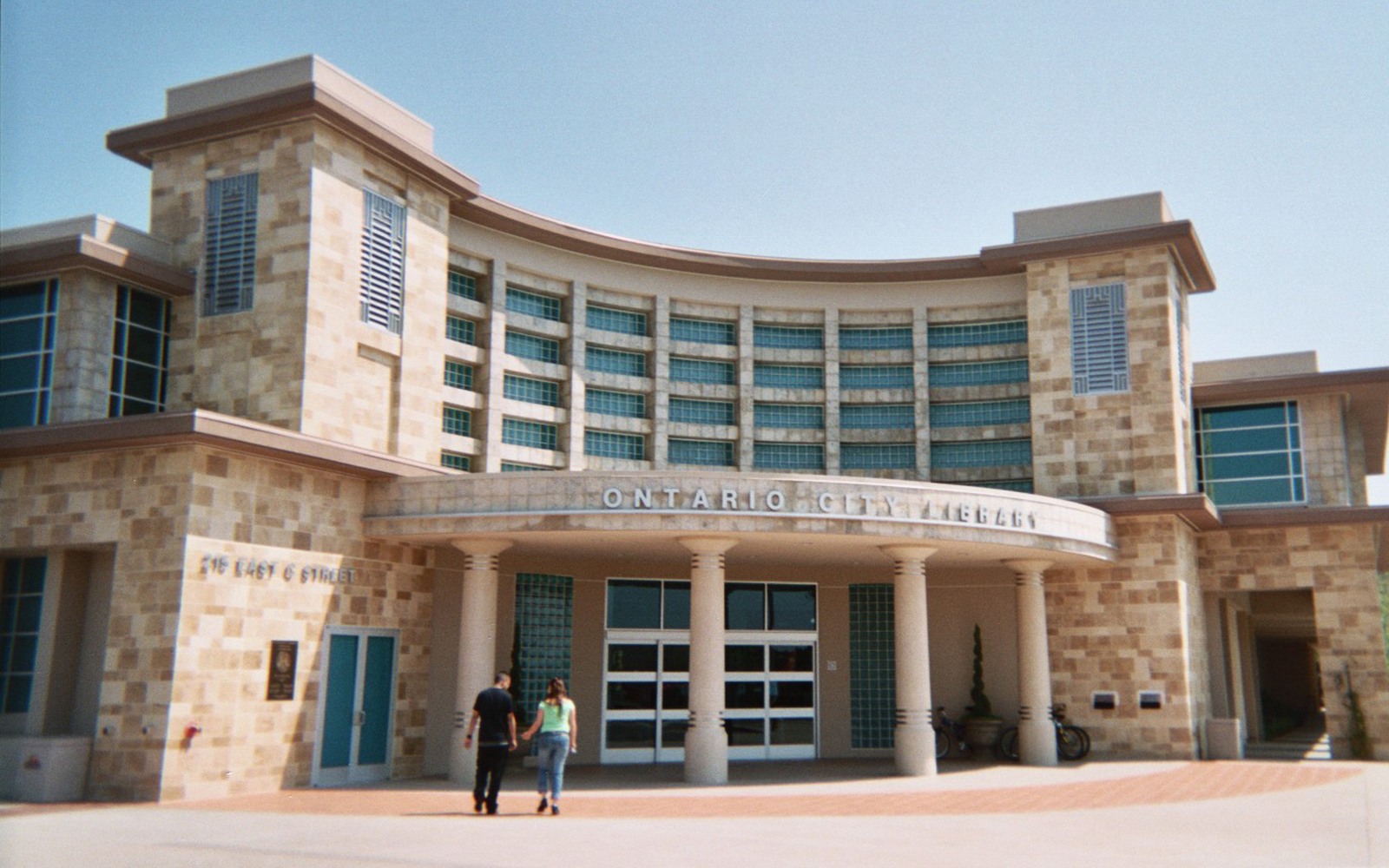
The Inland Empire is the logistics backbone of Southern California, and Ontario sits at the center of it. Ontario International Airport, the I-10 and I-15 interchange, and millions of square feet of distribution warehouse space make this one of the busiest equipment markets in the Western United States. Forklifts, yard trucks, and material handling equipment work these warehouses around the clock. If your business operates iron in this corridor, that iron has equity. We put that equity to work. Cash-out equipment refinancing starting at $50,000, funding in one to two weeks.
The Inland Empire absorbed much of the logistics growth that overflowed from the LA ports. Massive distribution centers in Ontario, Chino, Fontana, and Rialto house the downstream freight from the port complex. The operators running those facilities rely on forklifts, reach stackers, and conveyor equipment. Logistics and warehousing operators with equipment in this corridor have collateral that is in active demand and holds value well.
Construction in the Inland Empire has been aggressive, tracking both the logistics buildout and the residential demand from Southern Californians moving east. Contractors running excavators, graders, and concrete equipment on the Fontana-Rancho Cucamonga-Ontario development corridor have equipment that has been making payments and building equity for years.
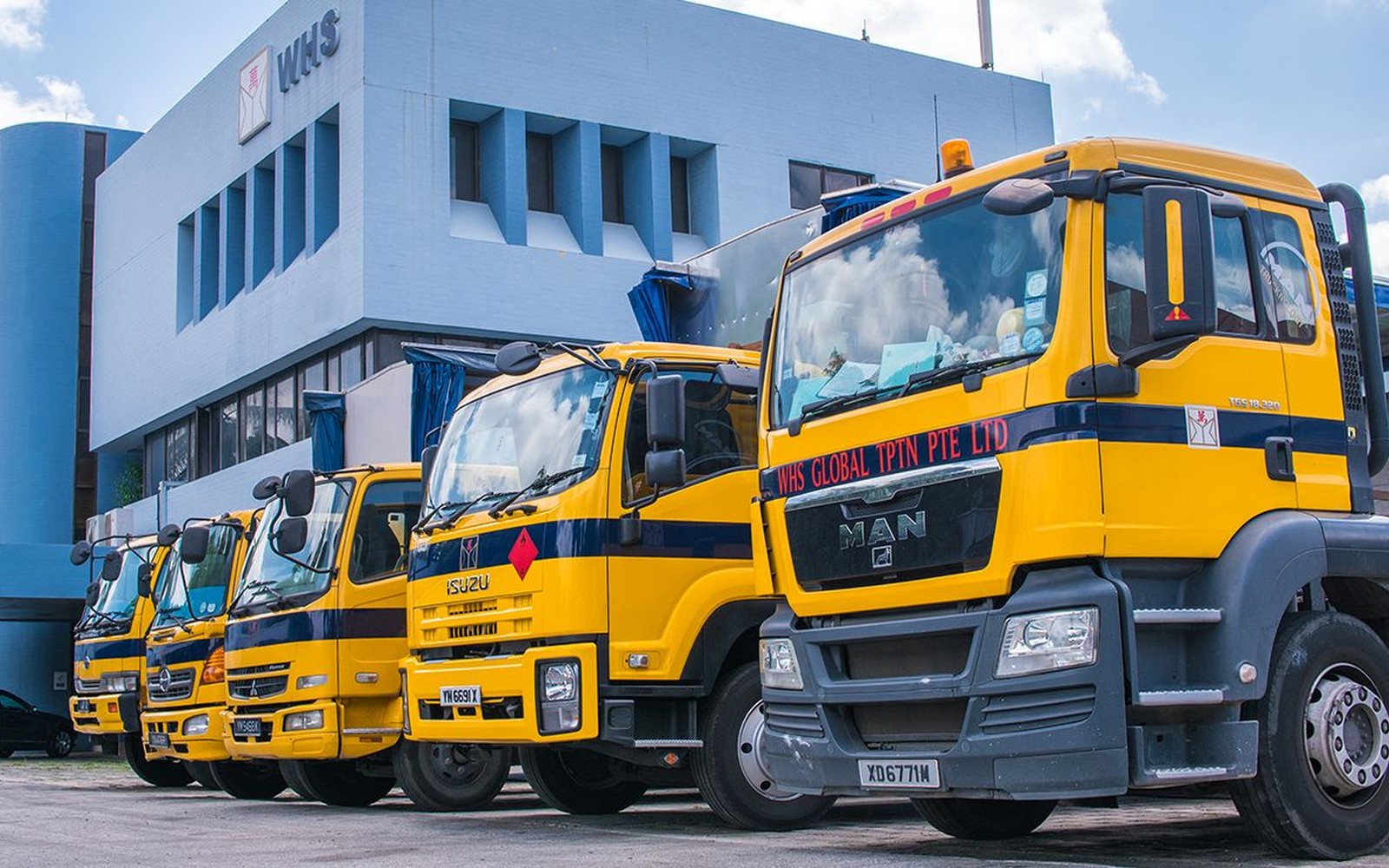
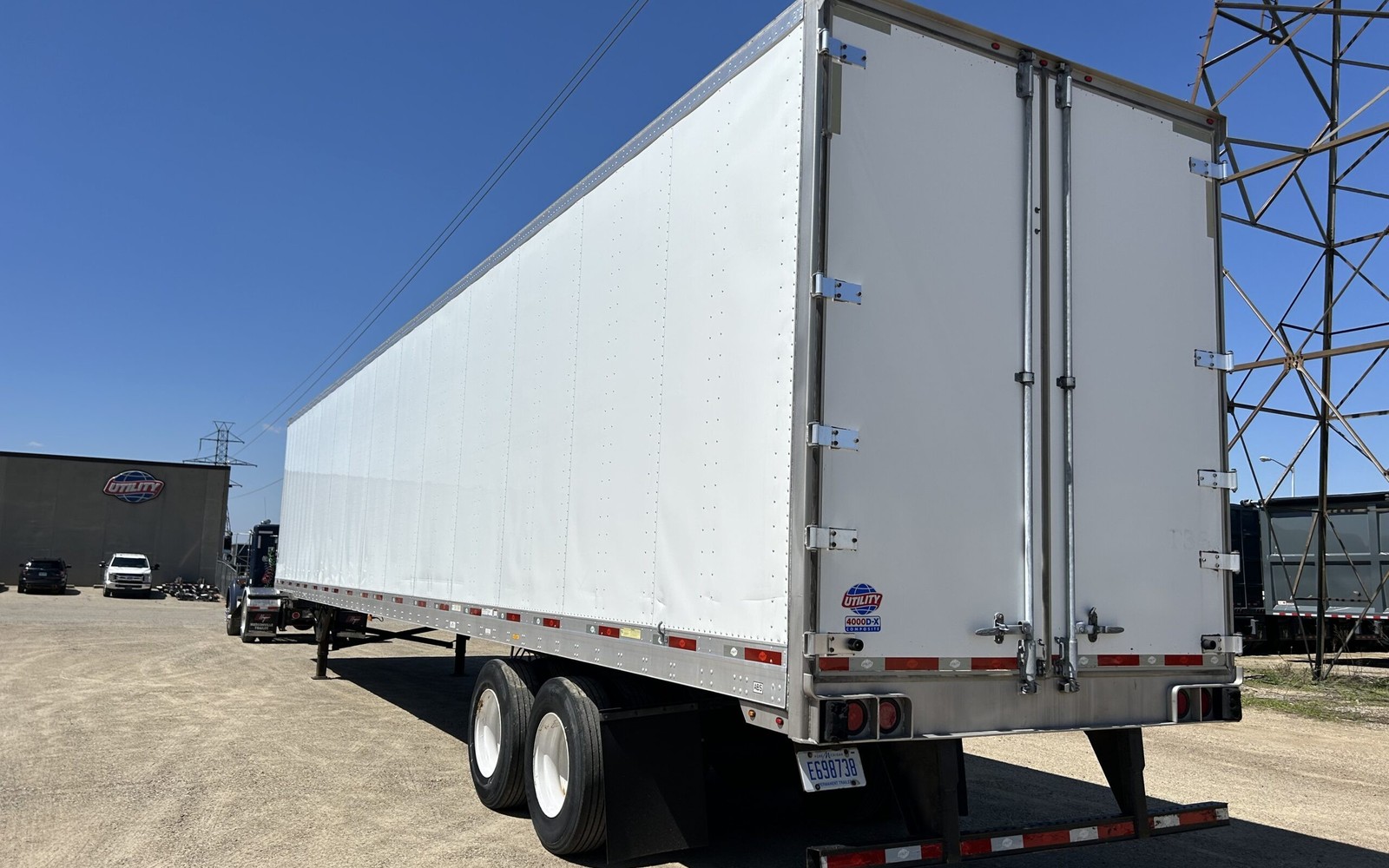
Trucking is the connective tissue of this market. Drayage trucks moving containers from the ports to the Inland Empire warehouses, and regional carriers based in Ontario and Fontana running distribution routes across the Southwest, operate significant fleets. Day cab tractor refinancing and dry van trailer refinancing are common transactions in this market because the fleet assets here are large, well-used, and carry equity.
The distribution-center operator who owns their forklift fleet rather than leasing is a natural candidate. Ten to twenty forklifts with three years of payments and clear titles represent meaningful capital that can be pulled out through a cash-out refinancing or sale-leaseback structure. The leaseback is especially attractive for operators who want to move the assets off their balance sheet while maintaining access to the equipment.
The construction contractor building the next generation of Inland Empire warehouses is another profile. Site work contractors with graders, scrapers, and excavators working the large-footprint warehouse pads on the east side of the corridor own machines with real equity. That equity can fund bid bonds, crew payroll, or the deposit on a newer piece of equipment.
Owner-operators in trucking who run their own rigs and have been making payments consistently for three or more years often have significant equity in a single truck. If you have multiple trucks, the aggregate can be much larger. Owner-operator truckers in the Ontario area use cash-out refinancing to fund maintenance cycles, insurance renewals, and the gaps between load income.
Material handling equipment dominates the Ontario transaction set. Forklift refinancing and reach stacker refinancing are the most common transaction types from the warehouse and distribution sector. These machines work hard in high-throughput environments, which means their payment histories are consistent and their remaining useful life is measurable, making them solid collateral.
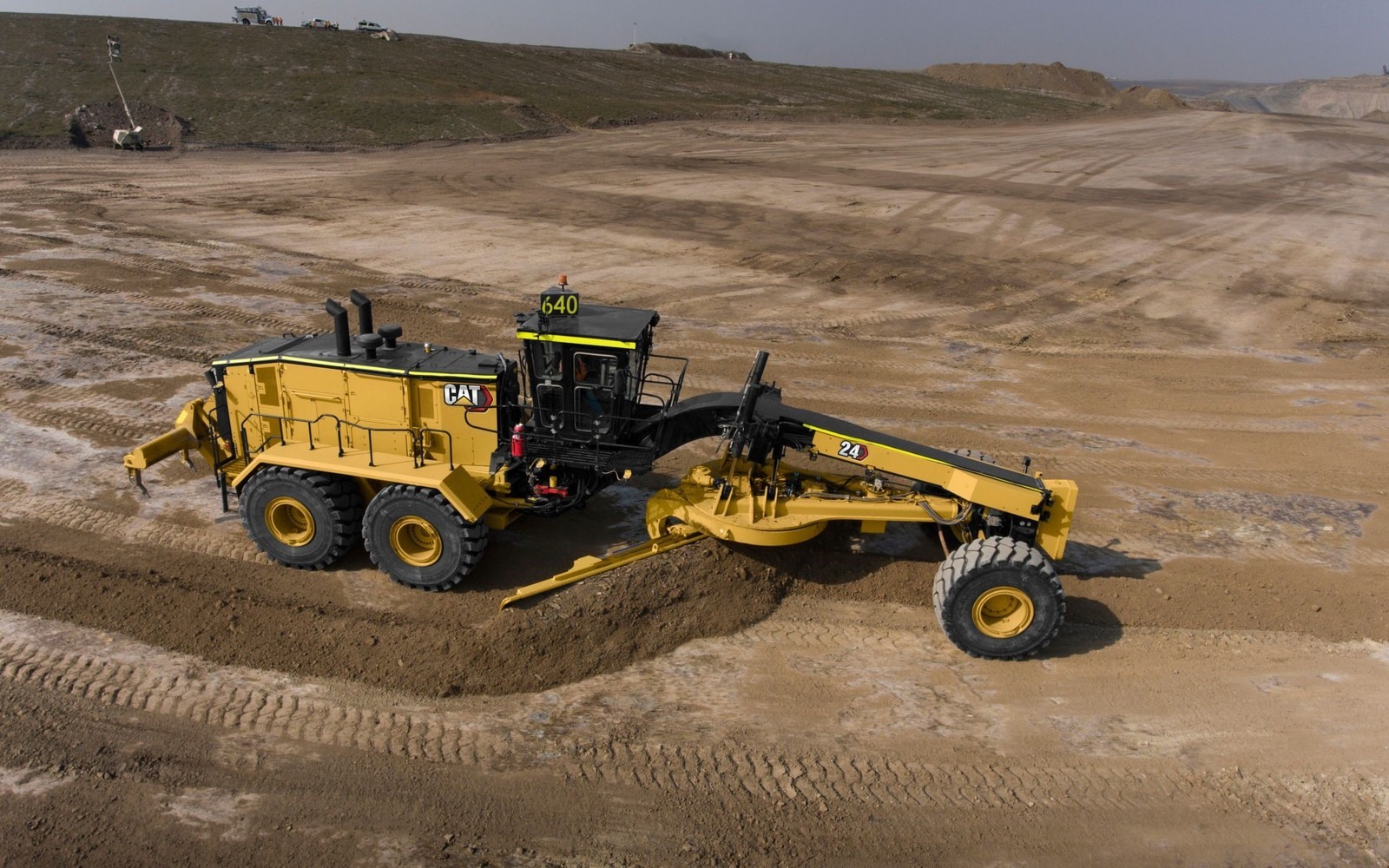
Construction equipment is the second major category. Motor graders, compact track loaders, and excavators from the grading and site prep contractors working the Inland Empire's relentless building pace carry equity that refinancing can unlock. We work with contractors who have been running the same machines for three to six years and have significant paid-down balance.
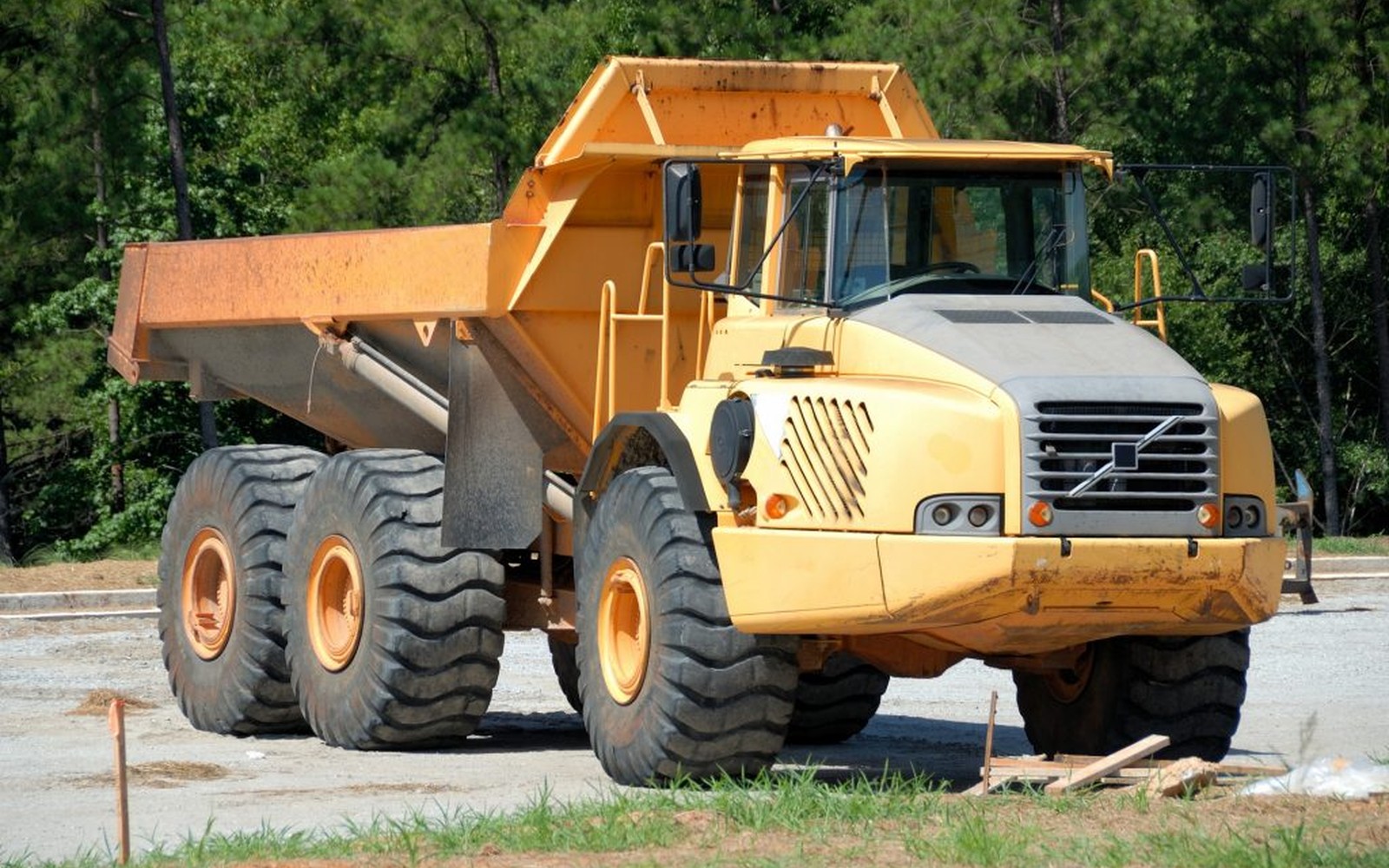
Trucking equipment rounds out the Ontario market. Tandem axle dump trucks, day cab tractors, and the trailers running alongside them are all refinanceable assets. Flatbed trailer refinancing for operators hauling steel, panels, and construction materials from the Inland Empire's manufacturing base is a transaction type we see regularly from this market.
California's cost structure puts pressure on operating margins, and tight margins create credit events. A late payment year from a cash flow squeeze is not the same as a fundamentally broken business. We underwrite to the current situation, not the roughest historical quarter.
B and C credit financing is standard practice here. For transactions under roughly $400,000, application-only processing keeps the documentation burden manageable. We do not require tax returns on standard equipment collateral deals. Clear title and a serviceable payment capacity are the core requirements.
California CARB compliance status affects truck collateral values in this market, and we factor that into our valuations. Equipment owners who have compliant trucks get better advance rates than those with out-of-compliance units, simply because the market values compliant equipment more highly in California.
The Inland Empire runs on equipment, and the equity in yours is real capital waiting to be deployed. Tell us what you own, what you owe, and what you need the cash for. We come back with real numbers in one business day and fund in about two weeks.
Also explore standard equipment refinancing for payment reduction rather than cash-out, and see our page on refinancing options for trucking and transportation companies.
These are the underwriting points the desk uses to turn the taxonomy page content into a real cash-out structure.
Equipment location, current payoff, lien status, value support, and how the asset is used in the business.
$50. The available cash is based on verified value minus the existing payoff.
1-2 weeks.
The distribution-center operator who owns their forklift fleet rather than leasing is a natural candidate.
Yes. We refinance the units you own with clear title. Leased units are separate and not refinanceable under this structure.
Both entity types are acceptable. The key is that the business entity that owns the equipment is the same entity applying for the financing.
Yes, as long as there is sufficient equity above the current balance to generate a meaningful advance.
Inspection is part of the process. For well-documented equipment, this can sometimes be handled with photos and documentation rather than an in-person visit, depending on the transaction size.
We share the valuation with you before commitment. If the number does not work for your capital needs, you are not obligated to proceed.
Send the machine, payoff, and target cash-out amount. We will review the file and come back with rate, term, payment, and net proceeds.
Tell us what you are buying, who is selling it, and when you need it earning. We will review the file and point you to the next step.