Collateral Reviewed
Machine value, payoff, lien position, hours or mileage, condition, and secondary-market demand.

Revenue in March is not the same as revenue in August if you are in agriculture, landscaping, or seasonal construction. Forcing a flat monthly payment onto a business with seasonal cash flow creates pressure during the slow months that the business model does not support. Seasonal and deferred payment financing recognizes this and builds the loan structure around how money actually moves through the operation.
Two distinct structures exist here. A deferred start delays the first payment, giving you time to put the equipment to work and generate revenue before debt service begins. A seasonal structure skips or reduces payments during your low-revenue months and concentrates payment obligations in the seasons when the cash actually flows. Both are available on the equipment types we finance. The right structure depends on your specific revenue calendar.
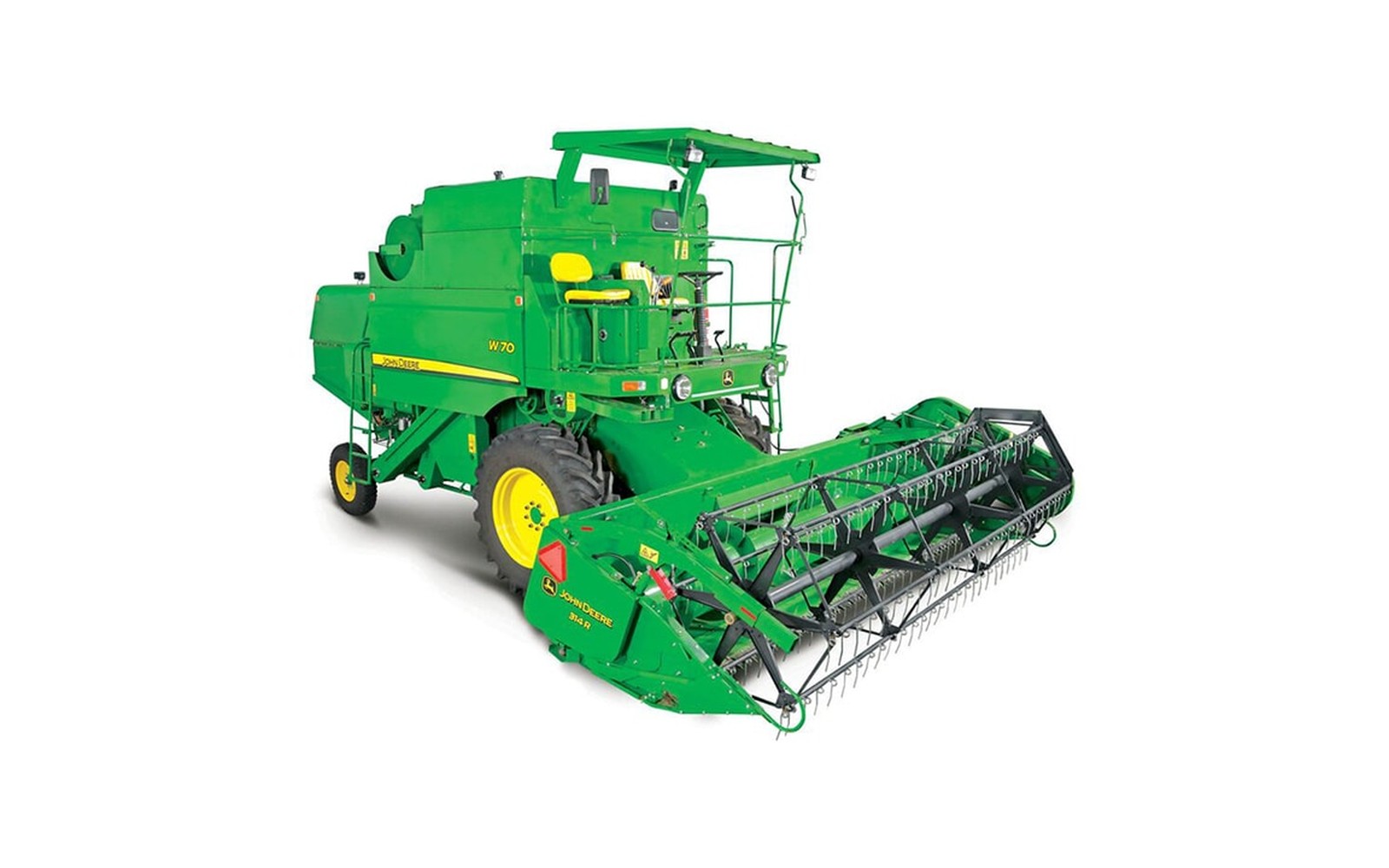
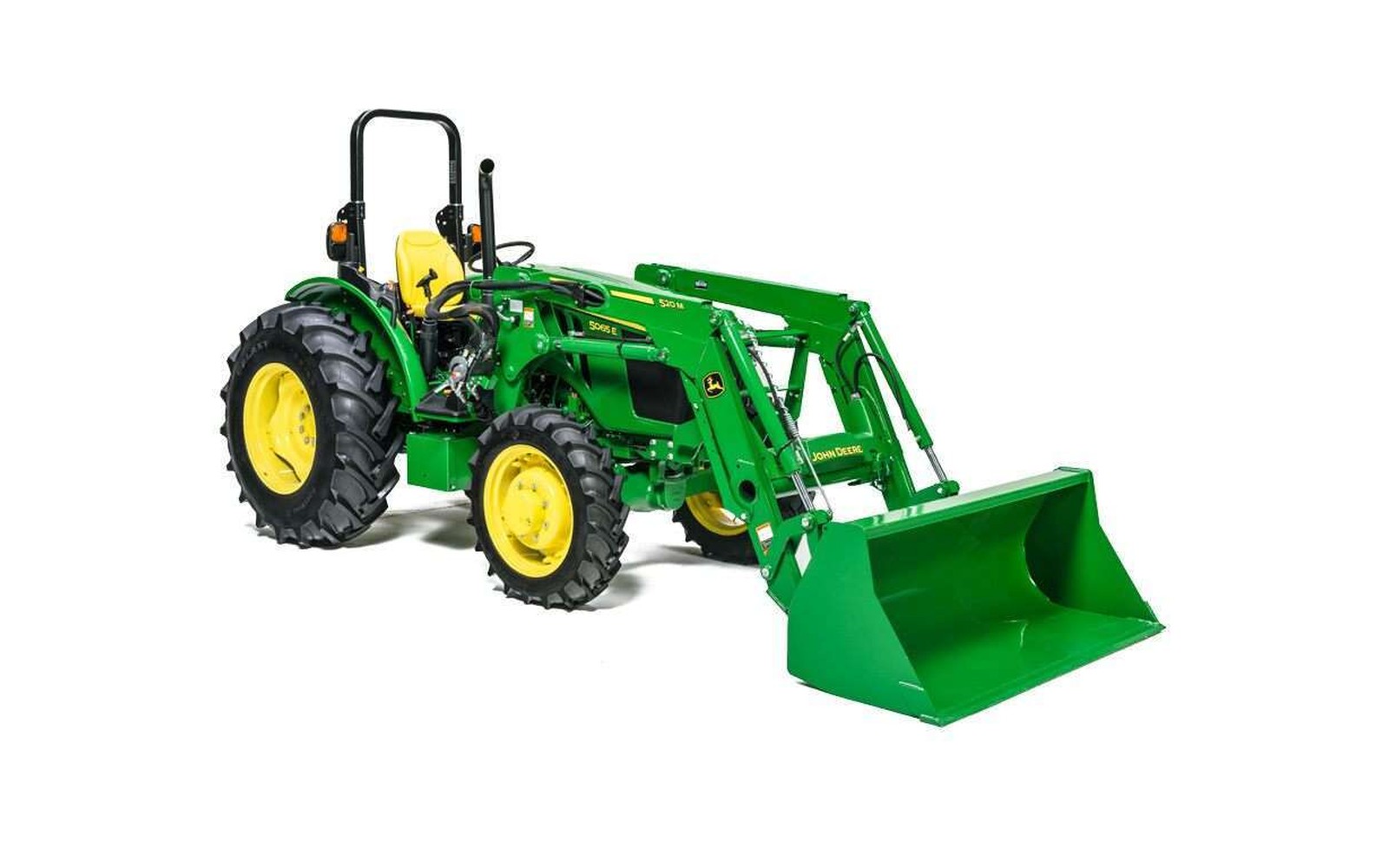
The clearest use case is agriculture. A combine or a tractor generates returns at harvest. Inputs, seed, fuel, and equipment costs front-run that cash by months. A loan that requires equal payments all year requires cash that does not exist in February. Seasonal financing solves that mismatch by making payments larger during the harvest months and minimal or zero during the off-season.
Agricultural operators using this structure on a combine harvester or a farm tractor pay what the season allows. The total amount repaid over the loan is the same as a standard loan. The schedule is not.
Landscaping and grounds maintenance companies have a similar profile. Revenue concentrates in spring and summer. A snow-removal contractor has the inverse: heavy cash flow in winter, thin in summer. Both benefit from payment schedules designed around that rhythm rather than arbitrary calendar equality.
Seasonal construction is a third category. Paving and excavation in northern states often shuts down for three to four months. A contractor who earns most of their revenue from April through October can structure equipment payments to reflect that, rather than maintaining the same monthly obligation through winter when there is no work.
Deferred start means the first payment is pushed out 60, 90, or even 120 days from funding. You buy the machine now and start paying when the machine has had time to generate income. This is common for equipment purchased right before a peak season or for a startup operation that needs runway before the revenue starts. The deferred interest is typically added to the loan balance, so the total cost is marginally higher than a standard start, but the cash flow benefit in the early months is real.
A seasonal payment schedule is more custom. Lenders who offer this structure will define your high-season payment (usually five to eight months of the year) and your low-season payment or zero-payment period. The high-season payments cover the full debt service and carry the obligation through the off months. You may pay two to three times as much in season as you do out of season, but the off-season payment might be nominal or zero.
Not all lenders offer seasonal structures. This is a specialty product that requires a lender with the appetite for custom amortization schedules. We maintain relationships with lenders who structure these deals regularly, particularly for agricultural borrowers in Fresno, Des Moines, and similar agricultural markets.
Seasonal and deferred payment structures typically price at a small premium over standard amortization on the same credit and collateral. The premium reflects the lender's cash flow risk during the low-payment months and the administrative complexity of a custom schedule. That premium is generally modest, and for businesses with genuine seasonal cash flow, the payment relief in the off months is worth far more than the rate difference.
Terms on seasonal deals run the same range as standard equipment loans: 36 to 72 months depending on the equipment type and the deal size. The total loan amount and interest are the same. The schedule is the variable. Total interest paid is sometimes slightly higher because the deferred or reduced payments during off-season result in a higher average outstanding balance over the term, which accrues more interest.
Lenders extending seasonal structures want to see a business with a documented seasonal revenue pattern. Bank statements across multiple years that clearly show the seasonal concentration of deposits support the request for a custom schedule. A business claiming seasonality but showing consistent flat monthly deposits will not get this treatment.
Documentation needs are similar to standard equipment financing: application, three months of bank statements (often six months on seasonal deals so the lender can see the pattern), and equipment details. The minimum deal size is $50,000. Seasonal structures are most common in agricultural deals and less available for pure construction or trucking.
For agricultural borrowers specifically, farm revenue documentation like commodity settlement sheets, FSA records, or prior year tax schedules showing farm income add context that bank statements alone may not convey fully.
If you currently have a standard loan on a piece of seasonal-use equipment and the payment structure is creating off-season strain, a refinance into a seasonal structure is possible. We handle seasonal refinancing on combines, skid steers, and other equipment where the use is concentrated in specific months. The same calculation applies: the new loan replaces the old one, and the amortization schedule matches the business.
A standard refinance to a lower rate on a conventional amortization is also worth modeling against the seasonal option. Sometimes the rate improvement on a conventional refinance produces more total cash flow benefit than the seasonal structure. We will run both scenarios so the comparison is clear before you decide.
Tell us your revenue months and your equipment need. We will find the lender and structure that matches your cash flow calendar. Minimum $50,000. Apply now and a capital advisor reaches out same day.
These are the underwriting points the desk uses to turn the taxonomy page content into a real cash-out structure.
Machine value, payoff, lien position, hours or mileage, condition, and secondary-market demand.
$50,000. The available cash is based on verified value minus the existing payoff.
Same day.
The clearest use case is agriculture.
Some seasonal structures include zero-payment months. Others require a minimum reduced payment. The specific schedule depends on the lender and the deal. Zero-payment months exist, but they are less common than reduced-payment months because the lender still accrues interest during that period.
No. Interest accrues from the funding date. Deferred start means the first payment is delayed, not that interest stops. The accrued interest during the deferral period is typically added to the loan balance, increasing the amount you repay.
Most lenders who offer deferred start allow 60 to 120 days. Longer deferrals are unusual. A 90-day deferral gives most seasonal operations enough time to put the equipment into a revenue-generating cycle before the first payment is due.
Yes, if the lender is comfortable with the age and condition of the collateral. Seasonal structures are not limited to new equipment. Agricultural equipment bought used frequently carries seasonal financing.
At minimum, six months of bank statements showing the concentration of deposits in specific months. Prior year tax returns showing seasonal income patterns, commodity settlement sheets, or farm income schedules add further support to the case for a seasonal schedule.
Send the machine, payoff, and target cash-out amount. We will review the file and come back with rate, term, payment, and net proceeds.
Tell us what you are buying, who is selling it, and when you need it earning. We will review the file and point you to the next step.