Collateral Reviewed
Industrial Robot Refinancing value, payoff, age, hours or mileage, attachments, condition, and remaining useful life.

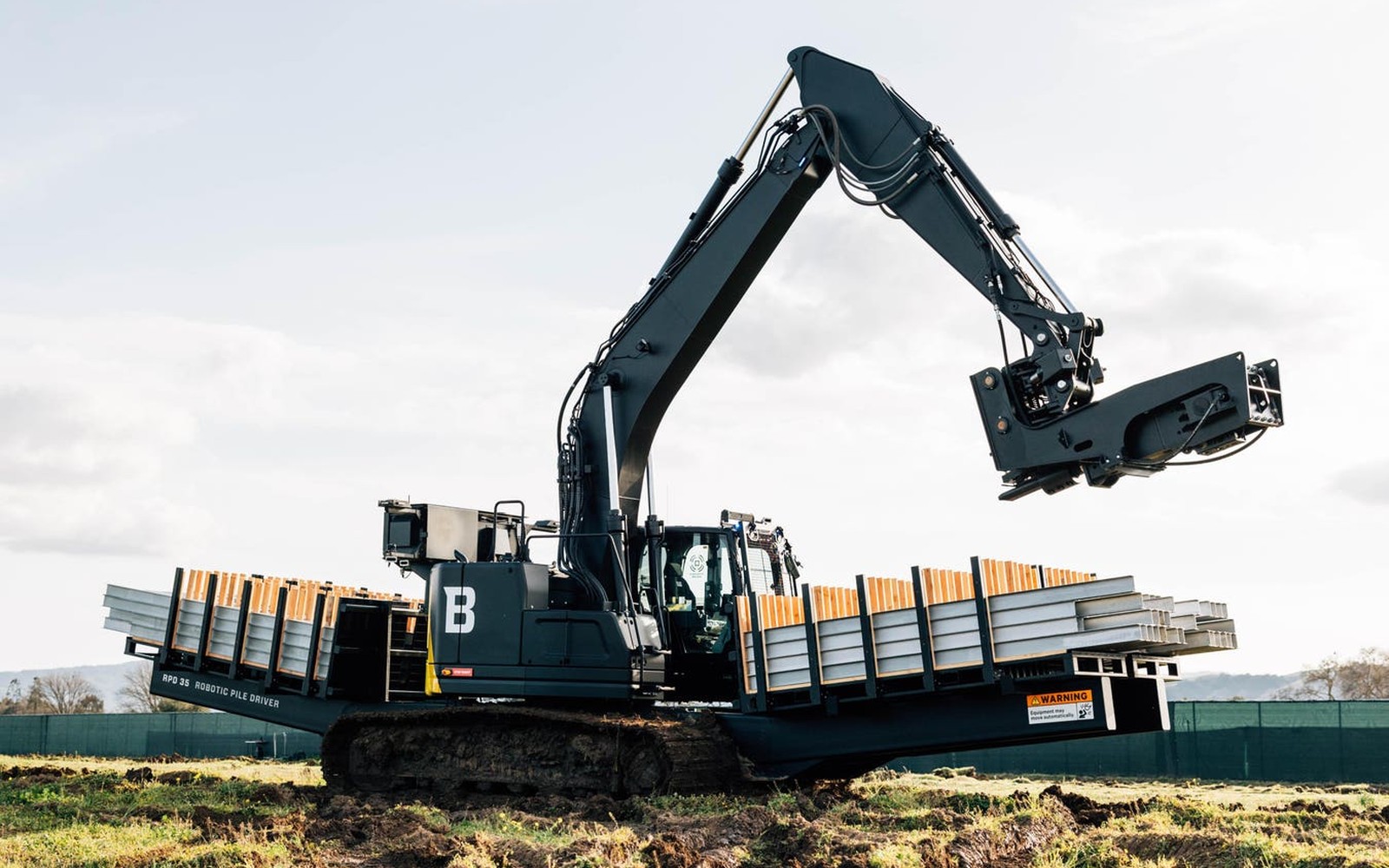
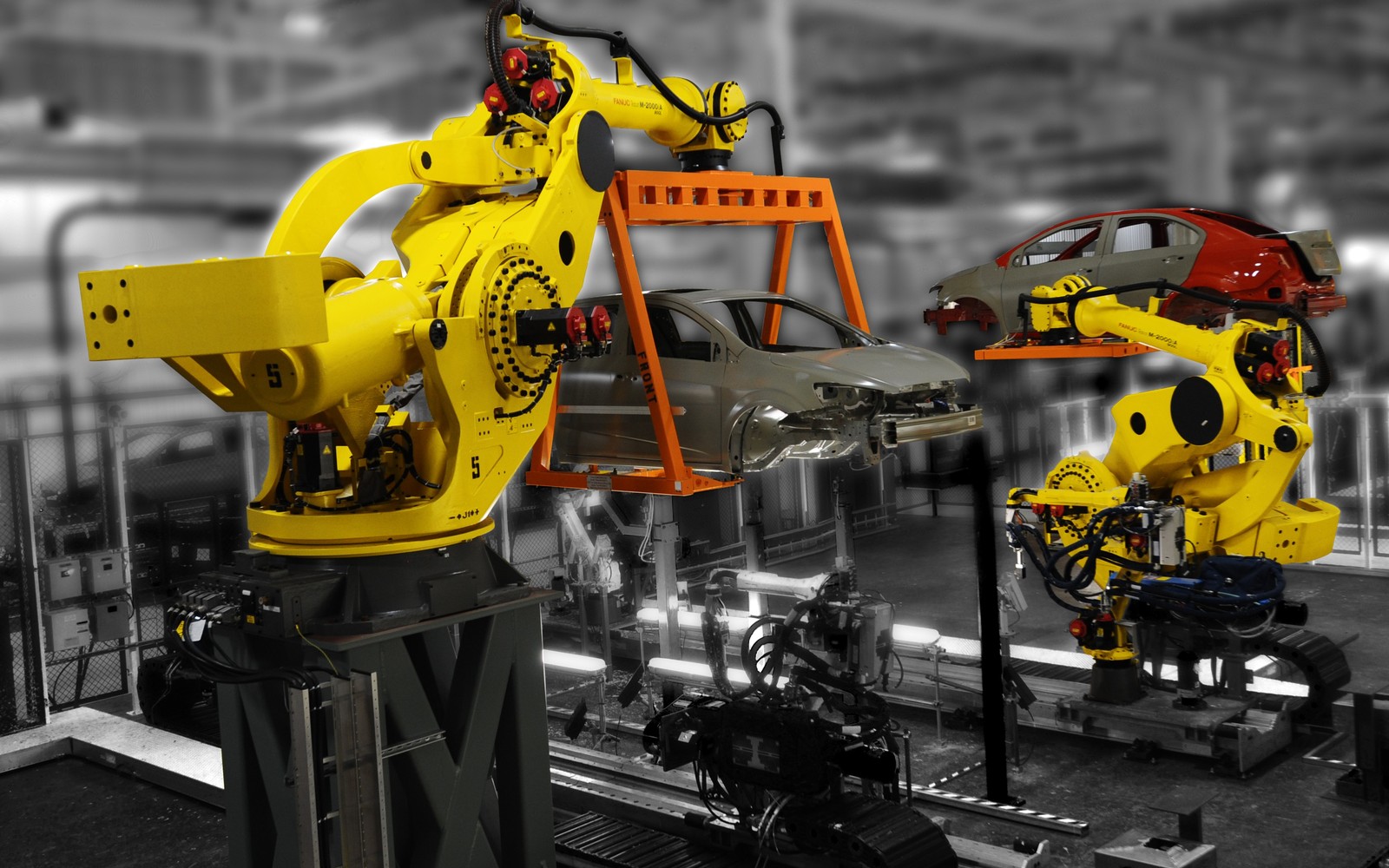
Industrial robots are capital assets, not just automation tools. A 6-axis articulated arm from Fanuc, ABB, or KUKA sitting in a welding cell or machine-tending application has a real secondary-market value, and two or three years of payments have built equity in that machine. That equity is available now. Refinancing an industrial robot converts idle asset value into cash for tooling, end-of-arm tooling redesign, a second robot cell, or operating expenses during a slow production month.
We work with manufacturers, job shops, and integrators who own robots as production assets. Cash-out equipment refinancing on industrial robots and robotic cells closes in one to two weeks. Application-only documentation handles transactions up to approximately $400,000, covering most standard 6-axis robot installations. Cells with integrated vision, conveyors, and end-of-arm tooling that exceed that threshold add three months of business bank statements. Minimum transaction starts at $50,000.
Industrial robot values vary significantly by payload capacity, reach, and application. A welding robot rated for 20 kg payload at 1.4-meter reach is a general-purpose unit with broad secondary appeal. A heavy-payload robot rated for 200 kg or more, used for palletizing, press tending, or large-part handling, serves a more specific buyer pool but carries a commensurately higher base value.
Fanuc is the most liquid brand in the North American robot secondary market, followed by ABB, KUKA, and Yaskawa Motoman. These brands hold value because parts are available, programmers are familiar with the controllers, and integrators across North America can reprogram and redeploy them. Niche or regionally-focused brands have a narrower secondary market and typically receive lower advance rates from lenders.
Robot age and controller generation are the primary value drivers beyond payload and reach. A Fanuc R-2000iC with a current R-30iB controller appraises at a meaningful premium over an equivalent-payload robot with an older controller, because the programming interface, network connectivity, and safety integration on the newer controller are what current integrators want. Lenders who know the automation market understand this distinction. A Fanuc R-2000iC in a well-documented cell is one of the more reliable refinancing candidates in the automation equipment category.
Integration matters for the appraisal. A robot sold as a standalone arm appraises at a base value. The same robot as part of a complete cell with custom tooling, a safety fence, a controller with all application-specific programming, and a parts-feeding conveyor appraises as a production cell with premium value. Refinancing a complete cell rather than just the robot captures that premium.
Manufacturers in manufacturing and fabrication who deployed robots to address labor constraints and are now carrying the debt in a normalized production environment use refinancing to restructure the obligation. The labor savings the robot generated justified the purchase. Refinancing the debt into more favorable terms is the next optimization step.
Machine shops that automated tending on their CNC machining centers through robot cells often find that the robotic system paid back faster than expected. The cell has equity that can fund an additional machine, a second robot, or operational needs. The tending robot and the machining center can be refinanced independently or as a linked cell depending on how the financing was originally structured.
Automotive suppliers and tier-two parts manufacturers who invested in welding cells or stamping press tending robots under a customer program sometimes carry original automation financing at rates that no longer reflect their improved credit position. Two years of on-time payments and a stable customer program change the risk profile, and refinancing captures that improvement in the form of a lower rate or cash-out proceeds.
The application for an industrial robot refinancing covers the robot make, model, payload class, controller generation, and serial number. For a complete cell, include the cell components: end-of-arm tooling, conveyor and feeding systems, vision systems, and safety enclosure. Current payoff and basic business information complete the file for an application-only deal.
Valuation is run against the current secondary market for the specific robot brand, payload class, and controller generation. An appraiser familiar with the automation equipment market, not a general industrial equipment appraiser, provides the most accurate value. Our financing team includes specialists who can value a welding cell at current market rather than applying a generic depreciation schedule that undervalues the asset.
Funding arrives in one to two weeks from a clean application. The robot stays in production throughout. No downtime is required for the refinancing process. A brief inspection during an off-shift or scheduled maintenance window is typically all the physical access the appraiser needs. Standard equipment refinancing and cash-out are both available structures on industrial robot transactions.
Provide the robot brand, model, payload, controller generation, and current payoff. We will structure the refinancing around your specific automation asset and your production environment. The equity in your automation investment is working capital you do not have to wait for. Used equipment financing on robots and complete cells is also available for the next automation addition to your floor.
These are the underwriting points the desk uses to turn the taxonomy page content into a real cash-out structure.
Industrial Robot Refinancing value, payoff, age, hours or mileage, attachments, condition, and remaining useful life.
$400,000,. The available cash is based on verified value minus the existing payoff.
1-2 weeks.
Provide the robot brand, model, payload, controller generation, and current payoff.
Reprogramming for a new application demonstrates that the robot is versatile and currently in production service, which is a positive for refinancing. The lender cares that the asset is operational and generating revenue, not that it is running the original application it was designed for.
Collaborative robots are a relatively newer asset class and the secondary market for cobots is still developing compared to traditional articulated arms. Fanuc CRX, Universal Robots UR series, and KUKA LBR cobots have the most recognizable secondary markets. Appraisals are available but may be more conservative on advance rate than equivalent-value traditional robots.
A robot at a customer location under a formal service or installation agreement can sometimes be refinanced if the title remains in your business name and the arrangement is documented. The lender needs to understand the arrangement because the collateral's physical location outside your facility affects the recovery position. Disclose the arrangement upfront.
For a refinancing, the lender values the complete cell if the components are permanently integrated and would be sold together. If the robot is separable and independently operable, it may be valued as a standalone unit. The installed-cell approach typically produces the higher total value and is the preferred appraisal methodology for refinancing complete automation systems.
Yes. Cash from a refinancing is unrestricted business capital. Buying end-of-arm tooling, funding a systems integration project, or covering any other automation-related expense from cash-out proceeds is a legitimate and common use of that capital.
Send the machine, payoff, and target cash-out amount. We will review the file and come back with rate, term, payment, and net proceeds.
Tell us what you are buying, who is selling it, and when you need it earning. We will review the file and point you to the next step.