Collateral Reviewed
Flatbed Trailer Refinancing value, payoff, age, hours or mileage, attachments, condition, and remaining useful life.

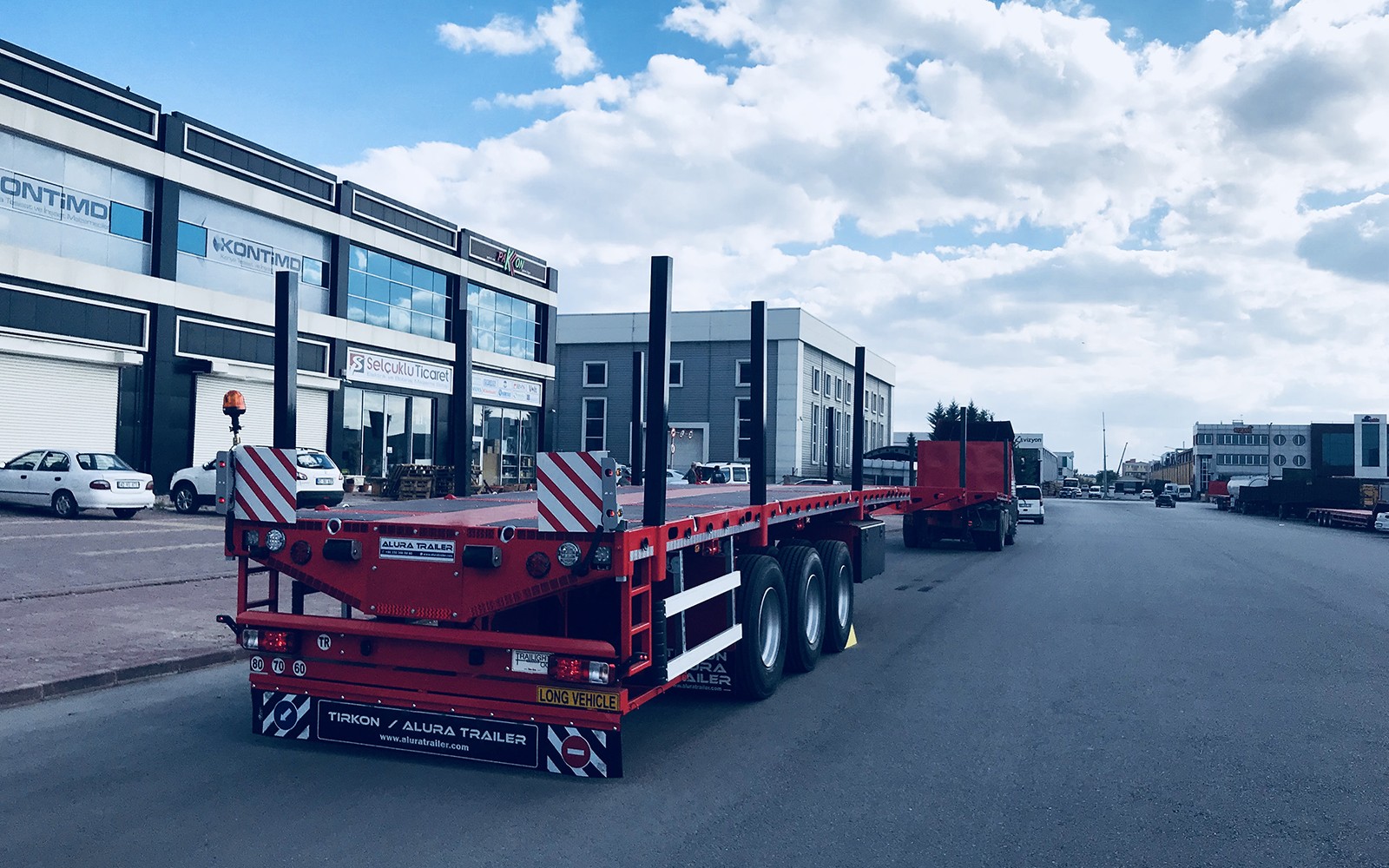
Flatbed trailers carry the freight that closed vans cannot touch: coiled steel, lumber packages, machinery, manufactured housing sections, oversize loads strapped to every tie-down point. That capability commands a premium in the freight market, and the trailers themselves hold value that can be accessed through refinancing. If your flatbed fleet is paid down and generating equity, that capital does not have to stay locked in steel and aluminum on your lot.
We work with flatbed operators, heavy-haul specialists, and construction-material carriers. Equipment refinancing on flatbeds follows the same process as any trailer deal: one to two weeks from clean application to funded proceeds. Application-only documentation handles deals up to approximately $400,000. The minimum transaction starts at $50,000 and the sweet spot for most flatbed operators is $100,000 to $200,000 across a small fleet of units.
Not all flatbeds appraise the same. Standard 48-foot and 53-foot aluminum flatbeds are the most liquid in the secondary market and carry the broadest lender appetite. Step-deck trailers, which offer a lower-deck section for height-sensitive loads, appraise favorably because the buyer pool is active and the configuration has specific freight applications that command premium rates in the spot market.
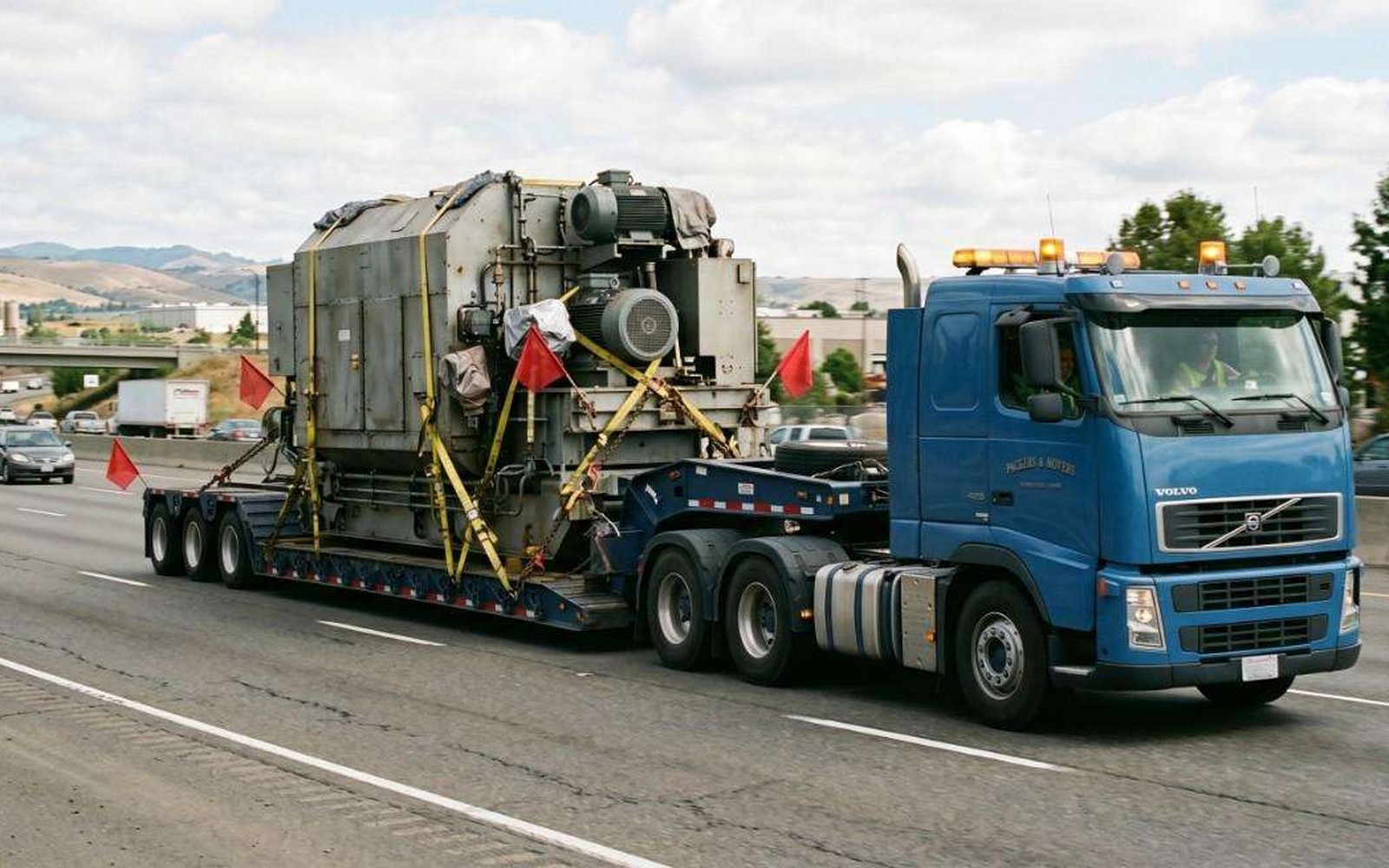
Removable gooseneck (RGN) trailers, sometimes called lowboys in the tractor-trailer configuration, carry higher absolute values but a narrower buyer pool. Heavy-haul RGNs configured for oversize loads can appraise at two to three times the value of a standard flatbed depending on deck length, axle rating, and whether the main deck is detachable. The higher value and narrower market mean lenders are more selective, but the asset is absolutely financeable when the application is strong.
Aluminum flatbeds generally appraise higher than steel for the same configuration due to weight savings (which translates to payload capacity) and corrosion resistance. In markets like the Southeast and coastal regions where steel corrosion is accelerated, aluminum commands a visible premium. Winch configurations, coil racks, and beam-stake pockets are accessories that affect value depending on whether the secondary buyer cares about that specific freight application.
Steel haulers serving mills, service centers, and fabricators often own flatbed fleets financed when steel freight was strong. A shift in rate per mile, a lane change, or simply two years of payments building equity creates a refinancing opportunity. The trailers are in service, the equity is real, and the cash available through refinancing can fund a second tractor, a major repair, or a reserve fund.
Construction equipment delivery operators who run flatbeds behind lowboy equipment also use refinancing to release capital. The same trailers that deliver excavators and dozers to jobsites carry equity that can fund a down payment on the next piece of equipment. Operators serving construction contractors often have both the trailer equity and the need for expansion capital at the same time, making refinancing a natural choice.
Oversize and specialized carriers working under permit authority are another segment. Their trailers are often high-value configurations that were bought new or near-new for specific contract work. When that contract winds down or the carrier diversifies into spot freight, the specialized trailer may carry more equity than the operator realizes. Cash-out refinancing on a specialized flatbed can produce a significant capital event without touching the underlying freight business.
The documentation threshold for flatbed trailer refinancing is light by commercial lending standards. A completed application, the trailer VIN or serial number, current title information, and your existing payoff amount (if any) are the core requirements for application-only deals. Businesses with three or more years of history and clean payment records often close on this documentation alone.
For cash-out requests or transactions above the application-only threshold, three months of business bank statements shows the lender what revenue your operation is generating. This is not a full underwriting package, and it does not require tax returns or audited financials. The goal is to confirm the business is active and generating consistent deposits that support the new payment obligation.
Credit profile is considered, but the flatbed trailer itself is the primary collateral. B/C credit equipment financing is available for applicants whose credit file has prior blemishes. A carrier with a challenging credit history but clear trailer titles and demonstrable freight revenue is a workable deal for the right lender. Trucking businesses at all credit tiers apply and qualify regularly.
Flatbed operators who bought new trailers on manufacturer or dealer paper sometimes carry interest rates that were set at the time of purchase without competitive shopping. A trailer bought three years ago at a dealer-offered rate may be a strong candidate for a lower-rate refi today, particularly if the business credit has improved and the trailer has held its value well.
Used flatbed purchases financed through private-party deals or smaller commercial lenders can also be refinanced into mainstream equipment notes. A trailer bought through an auction or private sale often carried less favorable original financing than a dealer transaction would produce. Refinancing that used unit into a proper equipment note may cut the rate significantly while also extending the term to reduce monthly cash obligations. Used equipment financing guidelines apply to these situations.
Tell us what you own, how many trailers, and what you owe. We will structure a refinance that fits your fleet and your cash flow. Sale-leaseback is also available if you own your trailers free and clear. Either path starts with a simple application and returns a concrete structure in a matter of days.
These are the underwriting points the desk uses to turn the taxonomy page content into a real cash-out structure.
Flatbed Trailer Refinancing value, payoff, age, hours or mileage, attachments, condition, and remaining useful life.
$400,000. The available cash is based on verified value minus the existing payoff.
1-2 weeks.
Steel haulers serving mills, service centers, and fabricators often own flatbed fleets financed when steel freight was strong.
Yes. Step-deck trailers are a recognized configuration with good secondary market liquidity. The dual-use nature (oversize and standard) actually broadens the buyer pool in the secondary market, which supports a stronger appraisal than a highly specialized single-use configuration.
If the trailers are part of a blanket lien on a business loan, releasing them as standalone equipment collateral requires working with your existing lender to carve them out of that lien. This is sometimes possible and worth pursuing, but it requires a direct conversation with the current lender before the refinance process can proceed.
Specialty configurations add value when the secondary buyer market for that configuration is active. Coil racks are in consistent demand from steel and aluminum haulers. Pipe stakes are more specialized. In general, equipment that broadens what the trailer can haul increases value; equipment that limits it to a single freight type may not.
Yes. Multi-type trailer refinancing can be handled in a single application. The lender may treat the different trailer types as separate collateral units with individual appraisals, but you submit one package and the transactions typically close together.
We work with B and C credit across the board. There is no hard floor score that applies universally. The trailer's condition and value, the business's operating history, and the revenue visible in bank statements all contribute to the credit decision alongside the score. Many flatbed operators with scores in the 580-650 range qualify when the asset is clean and the business is active.
Send the machine, payoff, and target cash-out amount. We will review the file and come back with rate, term, payment, and net proceeds.
Tell us what you are buying, who is selling it, and when you need it earning. We will review the file and point you to the next step.