Collateral Reviewed
Mazak CNC Machine Refinancing equipment value, model mix, payoff, serial information, hours or mileage, and dealer or auction support.

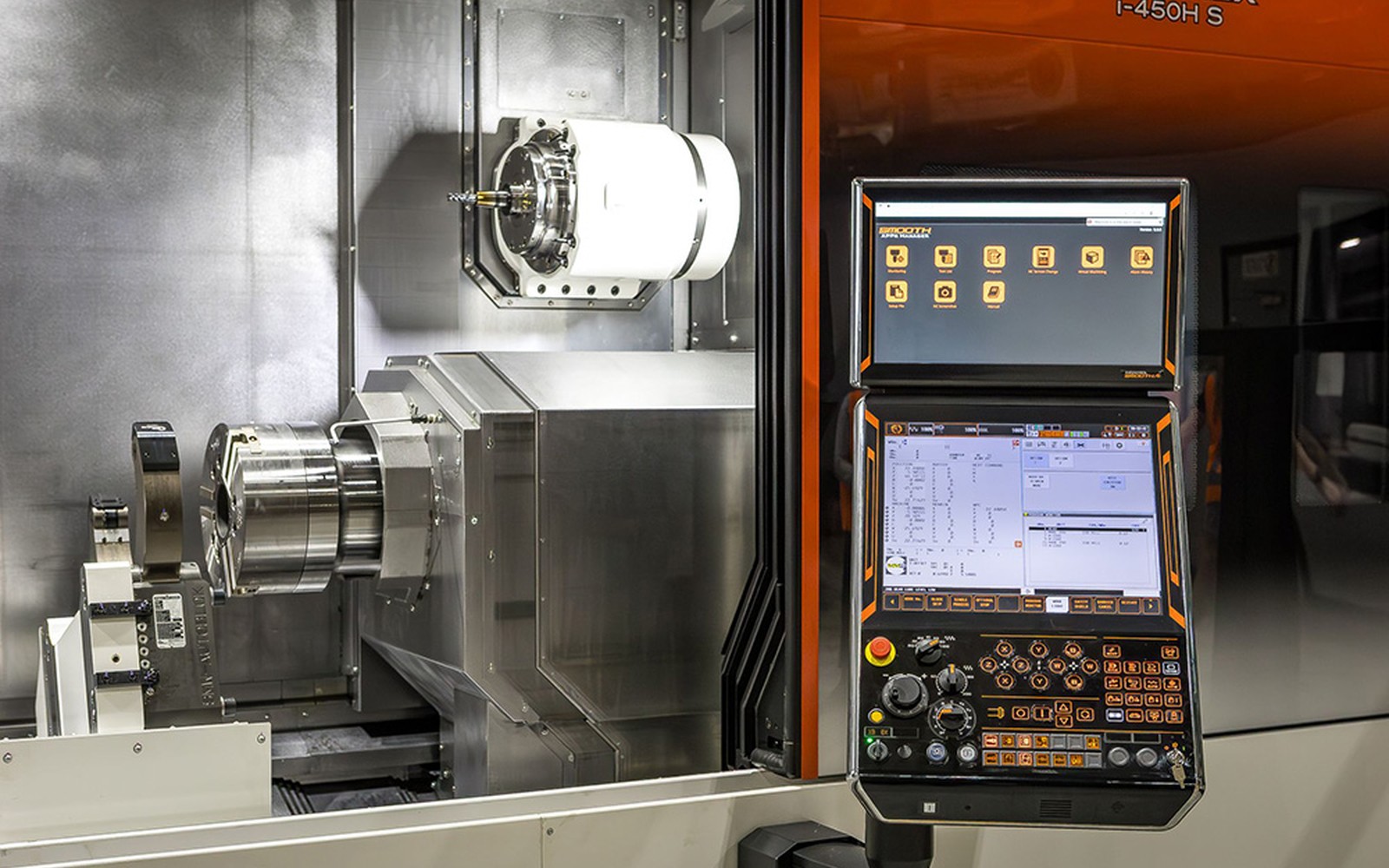
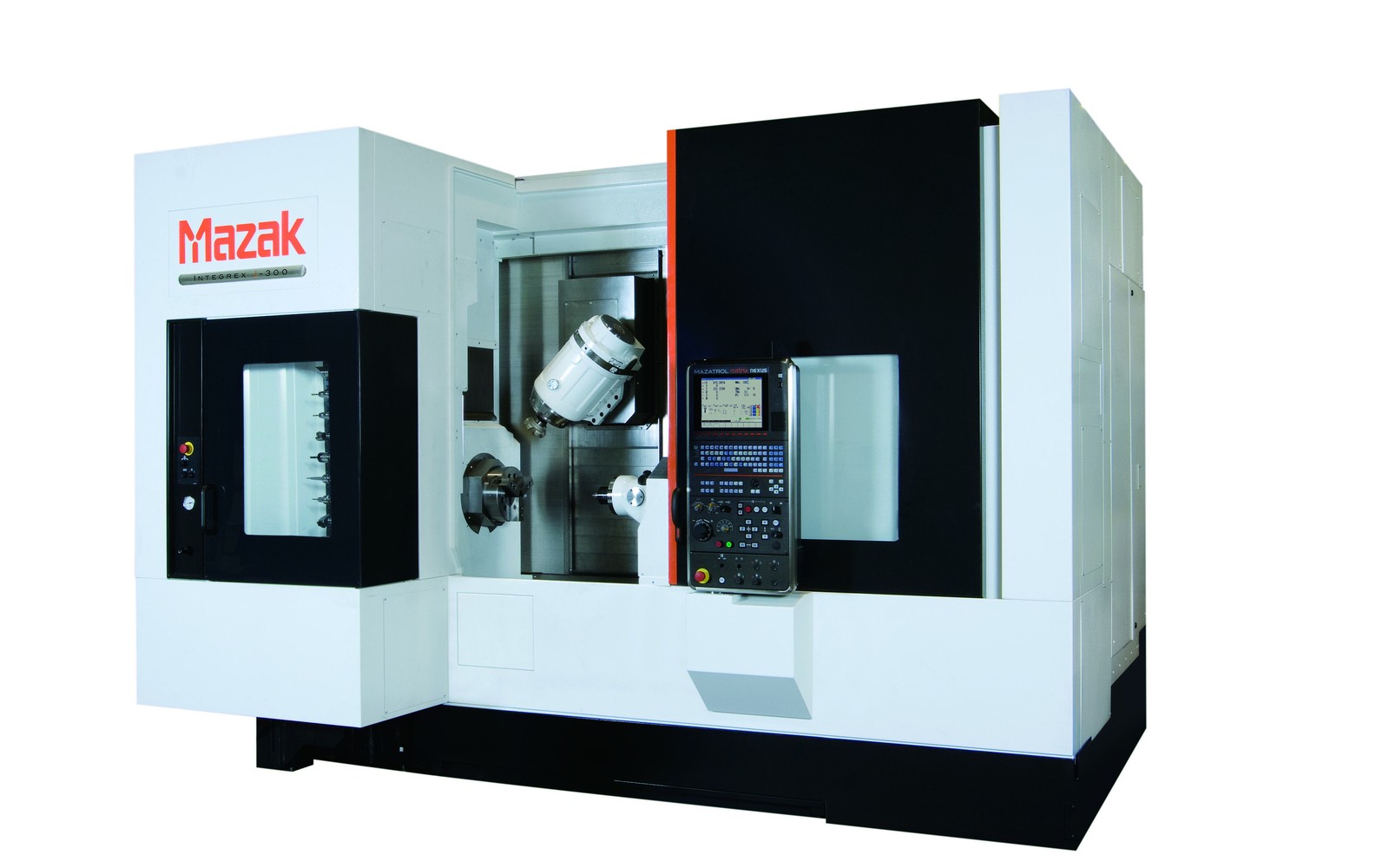
Mazak machines sit at the higher end of the CNC market, and higher acquisition cost means more equity sitting in them when they are paid down or owned outright. A Mazak Integrex multi-tasking machine or a Quick Turn CNC lathe represents a capital position that can be tapped without stopping production. Cash-out refinancing on Mazak equipment converts ownership equity into working capital, typically in about two weeks, while the spindles keep running through whatever shift schedule you run.
The Mazak secondary market is narrower than Haas in terms of buyer volume, but the buyers are sophisticated and the machines are worth significantly more. That price point means each Mazak refinance transaction tends to carry more capital than a comparable Haas deal. If you own Mazak equipment with equity in it, we want to discuss the opportunity.
Mazak's product line covers a wide range of CNC machine tool categories. The models most commonly in cash-out refinance transactions:
Mazak's Smooth Technology CNC controls have broad user acceptance in high-precision shops, and the brand's global service network through Mazak subsidiaries and dealers supports part availability. Both factors contribute to maintaining secondary market interest in Mazak equipment.
Precision manufacturing and fabrication shops serving aerospace, medical device, defense, and oil and gas component markets are the primary Mazak refinance profile. These shops invest in Mazak equipment for the cycle time and tolerance capability the machines offer in complex part geometries. When the machines are paid, the equity is substantial and the production business justifies pulling it out to fund growth.
An aerospace contract shop that bought a Mazak Integrex five years ago for $400,000, paid it down to $80,000, and now has the machine running two-shift aerospace contracts has $250,000-plus in accessible equity at current market values. That capital can fund a second Integrex, a facility expansion, or the working capital cushion needed to take on a larger contract.
CNC machine shops with mixed fleets often have Mazak machines alongside Haas, DMG MORI, or other brands. Refinancing the paid Mazak machines, which often carry higher individual values than the Haas units in the same shop, is a targeted way to access the most capital from the most valuable assets in the fleet.
Contract machine shops serving defense and aerospace primes often run Mazak multi-tasking machines because the part specifications require the capability. A shop in a defense manufacturing corridor, whether that is the San Diego aerospace cluster, the Connecticut precision manufacturing base, or the Texas defense community near Fort Worth, may have bought a Mazak Integrex for a specific contract and now finds the machine paid off after several years of consistent program work. The equity in that machine is a capital resource the shop should be utilizing. Refinancing it to fund tooling, additional fixturing for a new program, or working capital during a long payment cycle from a prime contractor is a direct application of the asset value to the business operational needs. We work with precision manufacturers of all sizes and can handle the transaction complexity that comes with specialized high-value machine tool collateral.
Contract machine shops serving defense and aerospace primes often run Mazak multi-tasking machines because the part specifications require the capability. A shop in a defense manufacturing corridor, whether that is the San Diego aerospace cluster, the Connecticut precision manufacturing base, or the Texas defense community near Fort Worth, may have bought a Mazak Integrex for a specific contract and now finds the machine paid off after several years of consistent program work. The equity in that machine is a capital resource the shop should be utilizing. Refinancing it to fund tooling, additional fixturing for a new program, or working capital during a long payment cycle from a prime contractor is a direct application of the asset value to the business operational needs. We work with precision manufacturers of all sizes and can handle the transaction complexity that comes with specialized high-value machine tool collateral.
The used Mazak market is smaller than the used Haas market by buyer volume, but the machines trade at higher prices and attract committed buyers: shops that want Mazak capability without the new machine lead time and price. Mazak Integrex and Quick Turn machines in good condition with documented service histories sell faster and at stronger prices than comparable-era machines from lower-profile brands.
Mazak's network of service centers and the availability of genuine Mazak parts and controls support extends into the secondary market and gives buyers confidence. When lenders evaluate Mazak as collateral, they are looking at assets with a credible buyer base and realistic liquidation scenarios if needed. That liquidation scenario is what determines advance rates, and Mazak's liquidation picture is generally favorable.
One practical note: Mazak machines are precision instruments. Condition, calibration status, and known tooling history matter to buyers in a way that they matter less for general construction equipment. If you are preparing to refinance a Mazak machine, a recent service certification or calibration record is worth having because it supports the appraised value directly.
Mazak equipment holds value in specific buyer markets that are identifiable and consistent. Aerospace shops in California, Texas, and the Connecticut corridor actively seek used Mazak multi-tasking machines when budgets do not support new machine purchase pricing. Medical device manufacturers, precision defense component shops, and energy sector machining operations all represent buyer segments for used Mazak equipment. This concentrated but sophisticated buyer base means that a Mazak machine sold through the right channel reaches the right buyer quickly, which is what lenders need to see when evaluating collateral liquidation scenarios. Manufacturing and fabrication operators who own Mazak equipment can use that secondary market strength as leverage in refinancing negotiations. We work with lenders who have placed capital against Mazak equipment before and understand how to evaluate it, which produces better advance rates than working with a generalist lender who treats all machine tools the same.
Mazak refinancing follows the same basic process as other equipment refinancing but with some category-specific considerations. We need machine details: model, year, controller version, spindle hours, and any recent service or calibration records. We pull market comparables from dealers, auction results, and active listings to establish a working value.
For transactions costing on the order of $150k to $400k, which covers many individual Mazak machines, application-only financing is often available. Three months of business bank statements and basic business information are the primary documents. Larger Mazak transactions or fleet situations may require a fuller financial review.
Timeline is approximately one to two weeks from complete application to funding for most Mazak deals. Complex fleet transactions or very large machines may take longer. We communicate where you are in the process at each stage.
For operators who want to compare structures, a Equipment Sale-Leaseback on a paid Mazak machine produces more cash than a cash-out refi because the advance equals full liquidation value rather than just equity above a payoff. For paid machines where maximum cash access is the goal, the leaseback is worth modeling.
These are the underwriting points the desk uses to turn the taxonomy page content into a real cash-out structure.
Mazak CNC Machine Refinancing equipment value, model mix, payoff, serial information, hours or mileage, and dealer or auction support.
$50. The available cash is based on verified value minus the existing payoff.
Two weeks.
The used Mazak market is smaller than the used Haas market by buyer volume, but the machines trade at higher prices and attract committed buyers: shops that want Mazak capability without the new machine lead time and price.
Yes. A production contract does not prevent refinancing the machine. You own the machine; the contract governs what you produce on it. The two are separate. Refinancing does not interrupt the production schedule or the contract.
Older control versions can reduce buyer appeal for certain buyers, which may reduce appraised value compared to a machine with a current Smooth Technology control. We evaluate current secondary market pricing for machines with similar control configurations rather than applying a generic discount.
Yes. We pay off the Mazak Finance note at closing and replace it with our lender's lien. If the current market value exceeds the payoff, you receive the difference as cash. Mazak Finance's approval is not required for the refinance.
Yes. Multi-machine refinance structures are available. We pool the equity from both machines into a single advance with a single monthly payment. This is often the most efficient approach for shops with multiple paid Mazak machines.
Mazak machines typically appraise higher than comparable Haas machines because they are more expensive when new and retain higher values in the secondary market. A paid Mazak Integrex will typically support a materially larger advance than a paid Haas VF-2 of similar age, all else being equal.
Model, year, spindle hours, and any current lien. We come back with an equity estimate and a rate range within one business day. No charge to get the number.
Tell us what you are buying, who is selling it, and when you need it earning. We will review the file and point you to the next step.