Collateral Reviewed
Peterbilt Truck Refinancing equipment value, model mix, payoff, serial information, hours or mileage, and dealer or auction support.

A paid-off Peterbilt is equity on wheels. Owner-operators and small fleets who have put in three or four years of payments on a 389 or 579 often sit on $40,000 to $80,000 or more of available equity, depending on the market. That equity can be cash in your account this week. The truck keeps running. The payment structure changes. You have capital to work with instead of equity sitting idle.
We handle Peterbilt refinancing for owner-operators and small fleets. The process is faster than most carriers expect and the documentation requirements are lighter. Three months of bank statements, basic business info, and the truck details get us to a real offer. From there, closing typically takes one to two weeks.
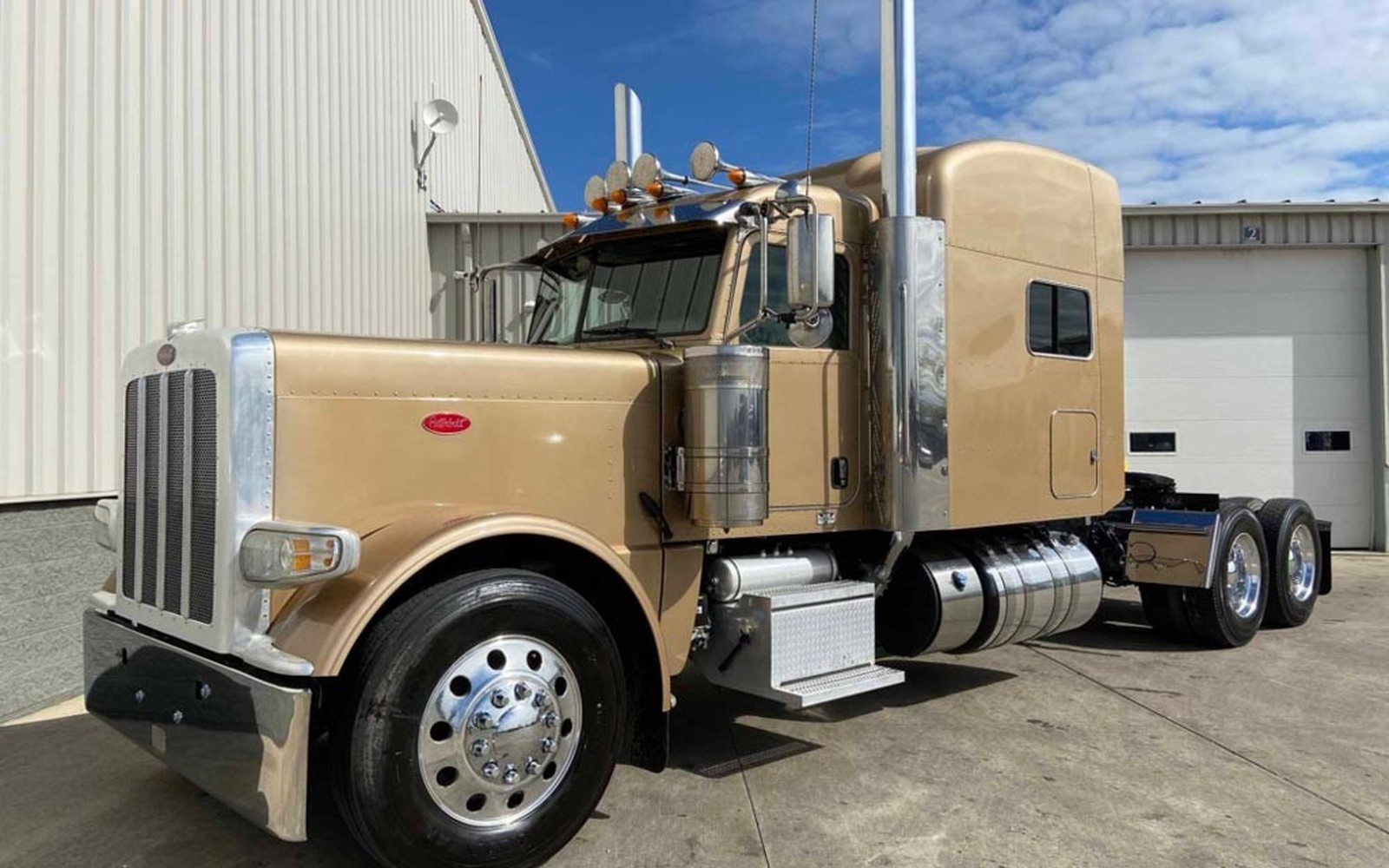
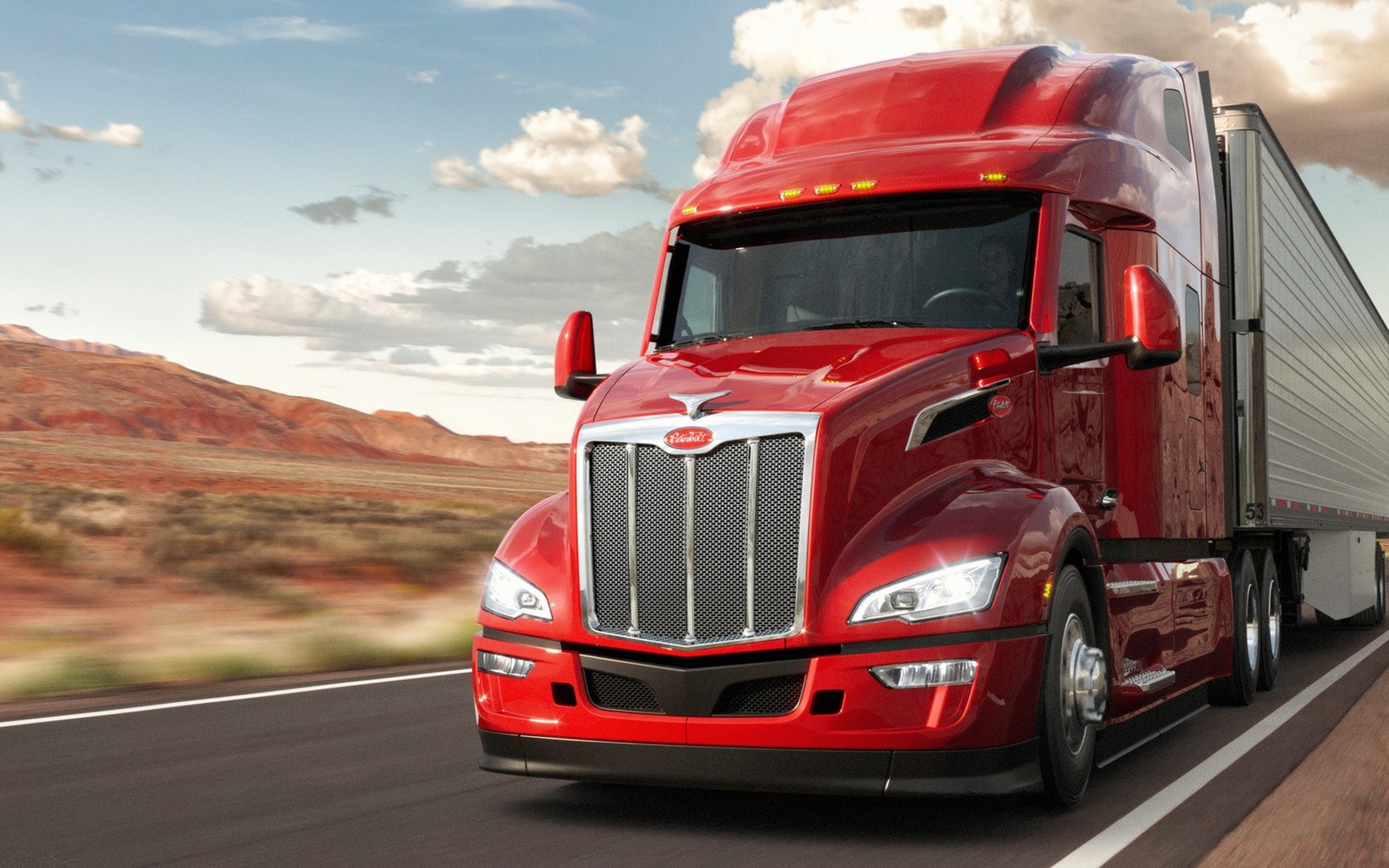
Peterbilt's product line covers Class 8 semi trucks plus medium-duty vehicles. For refinancing purposes, the sleeper and day cab Class 8 trucks carry the most equity potential:
Peterbilt's premium positioning in the Class 8 market, as a PACCAR brand alongside Kenworth, means well-maintained Peterbilt trucks typically appraise stronger than comparable Freightliner or International units at the same age and miles. That premium translates directly to higher advance amounts in a refinance transaction.
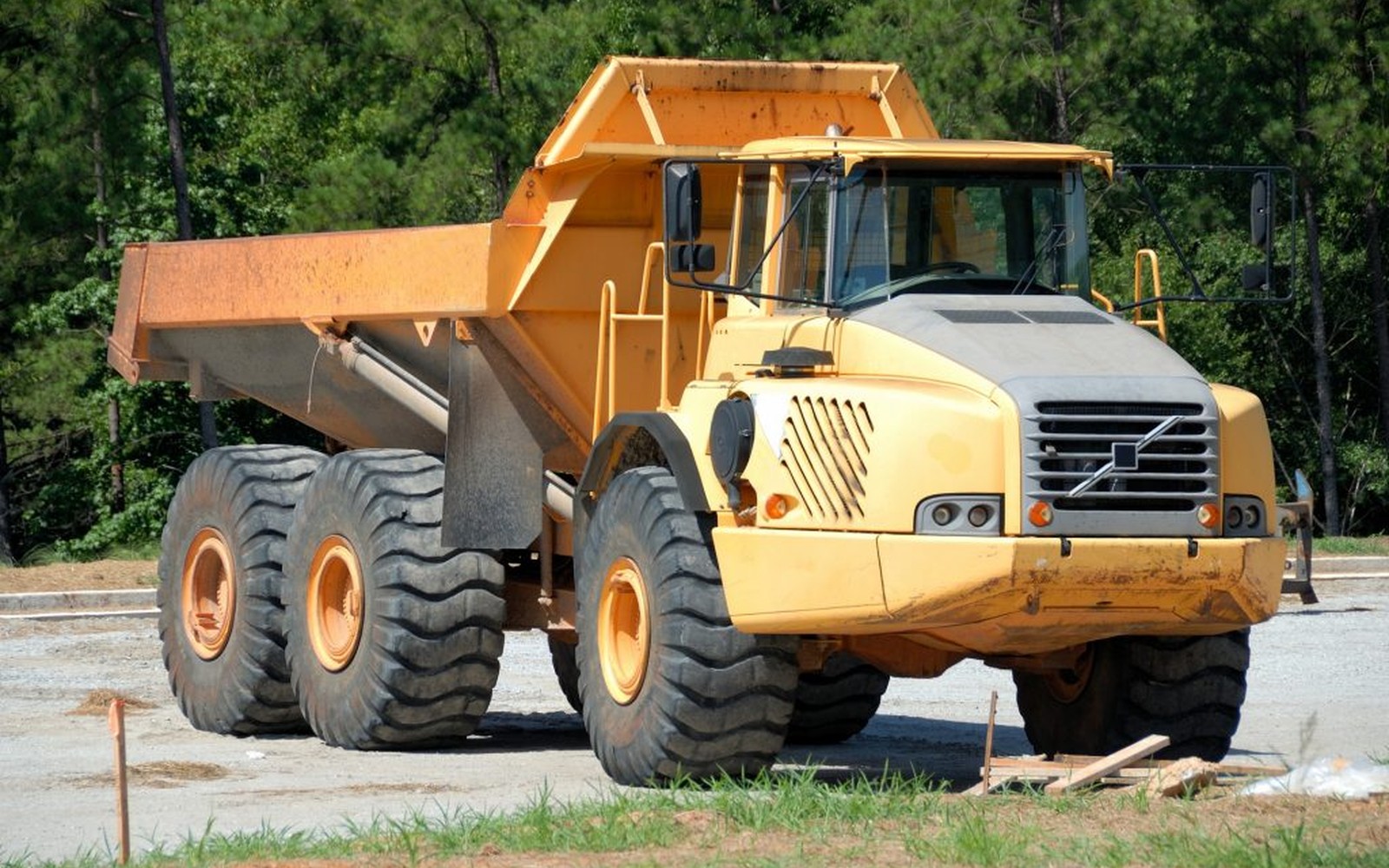
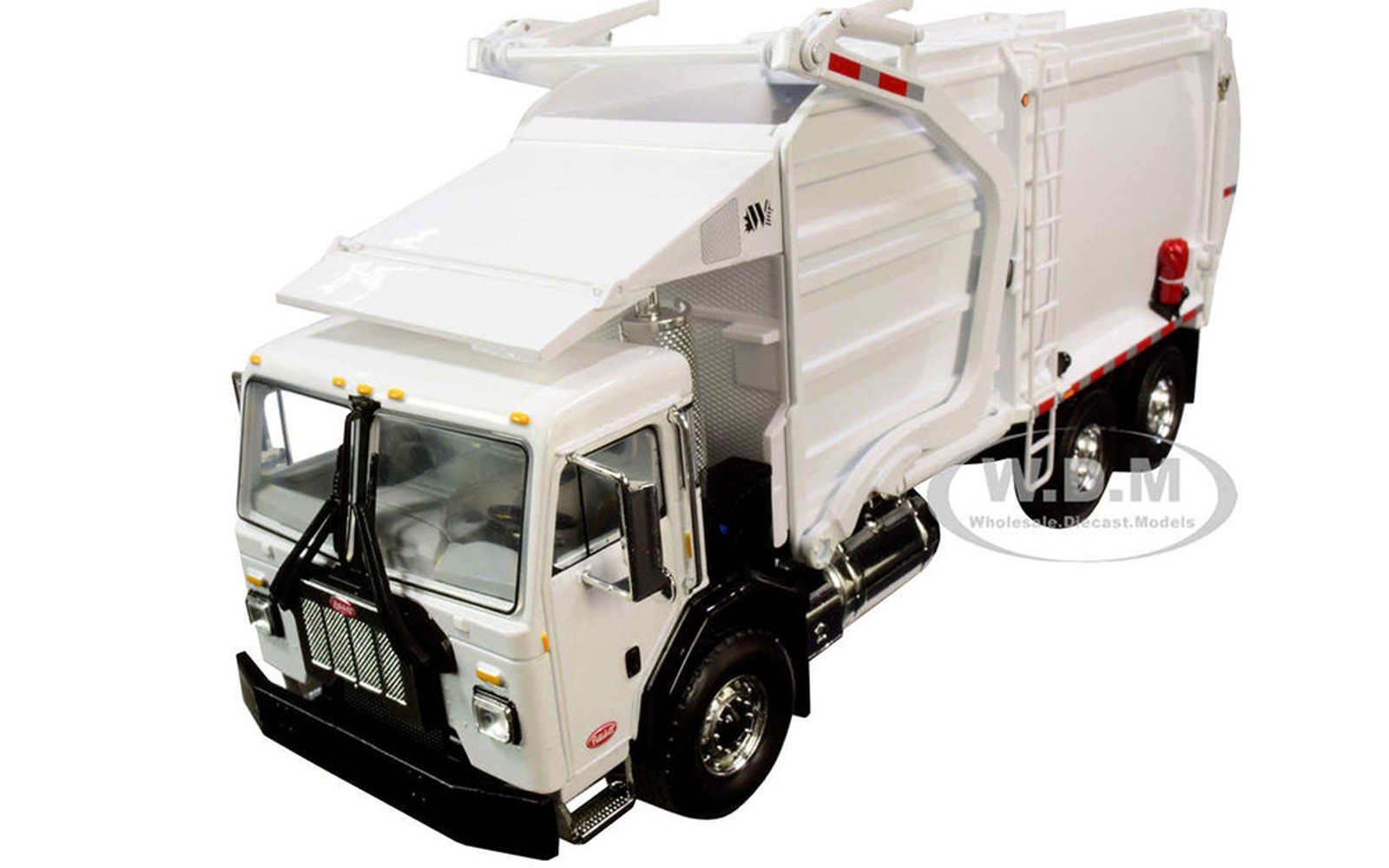
Beyond the 389 and 579, Peterbilt's vocational line includes the 567 and 389 variants configured for dump, tank, and heavy haul applications. Vocational Peterbilts carry lower highway mileage than over-the-road units of the same age because they work locally. A five-year-old Peterbilt 567 configured as a dump truck with 150,000 miles appraises differently from a five-year-old 579 sleeper with 600,000 miles. The vocational unit typically holds proportionally more value at comparable age because the mileage accumulation is slower. Dump truck configurations on Peterbilt vocational chassis are a specific refinance category we handle, with advance calculations based on the configured truck value, not just the bare chassis.
Owner-operators are the primary Peterbilt refinance client. A trucker who bought a used 389 three years ago, made every payment, and now carries a lien of $40,000 against a truck worth $90,000 has $50,000 in accessible equity. Pulling that out funds a trailer purchase, covers a slow freight period, or provides the deposit for a new lease-on with a different carrier.
Small fleets with two to ten Peterbilt trucks also come to us. A fleet operator who has paid down a couple of trucks while keeping others on full finance can refinance the paid units to fund the next truck purchase. This rolling equity strategy lets small fleets grow without taking on traditional bank debt for each new truck.
Specialty haulers running Peterbilt trucks in flatbed, tanker, and heavy haul applications are good fits. These operators often run their Peterbilts in applications where the trucks log fewer miles than over-the-road units, which preserves values and creates more equity over time. Trucking and transportation operators across all haul types qualify for this program.
Hotshot truckers and flatbed operators running Peterbilt day cabs or medium-duty trucks in specialized haul applications are a segment we work with. Hotshot operations, where an owner-operator pulls a flatbed trailer with a heavy-duty pickup or Class 6-7 truck, have expanded in recent years alongside the growth in time-sensitive freight. Peterbilt's medium-duty 567 and similar vocational models that hotshot operators have moved into carry equity after a few years of consistent work. These operators are often independent owner-operators without the benefit of a large fleet line of credit, making equipment equity their primary available capital source. A refinance on a paid Peterbilt day cab or vocational truck in that context is a direct business growth tool for an operator looking to buy a second unit or upgrade equipment for a higher-paying freight niche.
A cash-out refinance replaces or supplements the existing lien on your Peterbilt with a new note at more than the payoff. The difference comes to you as cash. You keep the title, continue operating the truck, and make fixed monthly payments on the new note. This is the most common structure for owner-operators who want to preserve ownership.
A Equipment Sale-Leaseback is available but less common for trucks than for construction equipment. In a trucking sale-leaseback, the lender buys the truck and leases it back to you. This produces more cash upfront (full truck value rather than just the equity above the payoff) but involves lease accounting treatment and does not build ownership equity. For owner-operators who identify closely with truck ownership, the cash-out refi is typically the preferred structure.
Rate reduction refinancing without cash-out is also available. If you financed your Peterbilt at a high rate during a tight credit period, refinancing to today's market rate can reduce monthly payments significantly and free up cash flow without requiring a lump-sum advance.
B/C credit is workable on Peterbilt truck refinancing when the equity position is meaningful. Owner-operators sometimes have credit histories that reflect the cyclical nature of trucking income rather than chronic financial problems. We look at the complete picture: what is on the truck today versus what the truck is worth. A truck with strong equity and six months of consistent bank deposits carries a different risk profile than the credit report alone suggests.
Documentation for an owner-operator: three months of personal or business bank statements, the truck's title or lien information, DOT and MC numbers, and basic business information. For a small fleet applying as a business entity, the same three months of business bank statements plus entity documents. We tell you exactly what we need before you gather anything.
Transactions under approximately $400,000 qualify for application-only treatment, which covers most single Peterbilt truck transactions. No tax returns required in most cases.
The credit evaluation for a Peterbilt refinance looks at bank statement deposits, existing debt load, and the equity position in the truck. An owner-operator who had a tough year during a freight downturn but has been running consistently for the past six months can often still qualify when the Peterbilt has strong equity. The truck is the primary backstop. A lender who can cover their position from the truck value is a lender who can extend credit to situations that a score-only bank declines. We work with lenders who think in asset terms, which is what makes B and C credit situations workable. Operators in major freight markets like Chicago, Dallas, and Los Angeles who run Peterbilt trucks in active freight lanes have access to this program regardless of past credit history, as long as current cash flow and collateral position support the transaction.
The credit evaluation for a Peterbilt refinance looks at bank statement deposits, existing debt load, and the equity position in the truck. An owner-operator who had a tough year during a freight downturn but has been running consistently for the past six months can often still qualify when the Peterbilt has strong equity. The truck is the primary backstop. A lender who can cover their position from the truck value is a lender who can extend credit to situations that a score-only bank declines. We work with lenders who think in asset terms, which is what makes B and C credit situations workable. Operators in major freight markets like Chicago, Dallas, and Los Angeles who run Peterbilt trucks in active freight lanes have access to this program regardless of past credit history, as long as current cash flow and collateral position support the transaction.
These are the underwriting points the desk uses to turn the taxonomy page content into a real cash-out structure.
Peterbilt Truck Refinancing equipment value, model mix, payoff, serial information, hours or mileage, and dealer or auction support.
$50. The available cash is based on verified value minus the existing payoff.
1-2 weeks.
Owner-operators are the primary Peterbilt refinance client.
Possibly. High-mile Peterbilts, especially 389s and well-maintained 579s, still carry value in the secondary market. The advance on a 700,000-mile truck will be lower than on a lower-mile unit, but if the truck is worth materially more than what you owe, a cash-out transaction may still make sense.
Generally yes. Carrier lease-on agreements do not prevent you from refinancing the truck title. You own the truck; the lease-on is a haul agreement, not a financing arrangement. We confirm the specifics when you apply.
Yes. We pay off the PACCAR Financial note at closing and replace it with our lender's lien. If the truck is worth more than the payoff, the difference comes to you as cash.
Yes. Private seller purchases are fine as long as the title transferred to your name and any prior lien was properly released. Clear title in your name is the key requirement.
Single-truck transactions typically close in one to two weeks when documentation comes in promptly. We can sometimes move faster depending on lender capacity and document availability.
Tell us the model, year, miles, and what you owe on the truck. We come back with an equity estimate and a rate range within one business day. Owner-operators call; we pick up.
Tell us what you are buying, who is selling it, and when you need it earning. We will review the file and point you to the next step.