Collateral Reviewed
Peterbilt 579 Refinancing value, serial, configuration, hours or mileage, payoff, and comparable sales.

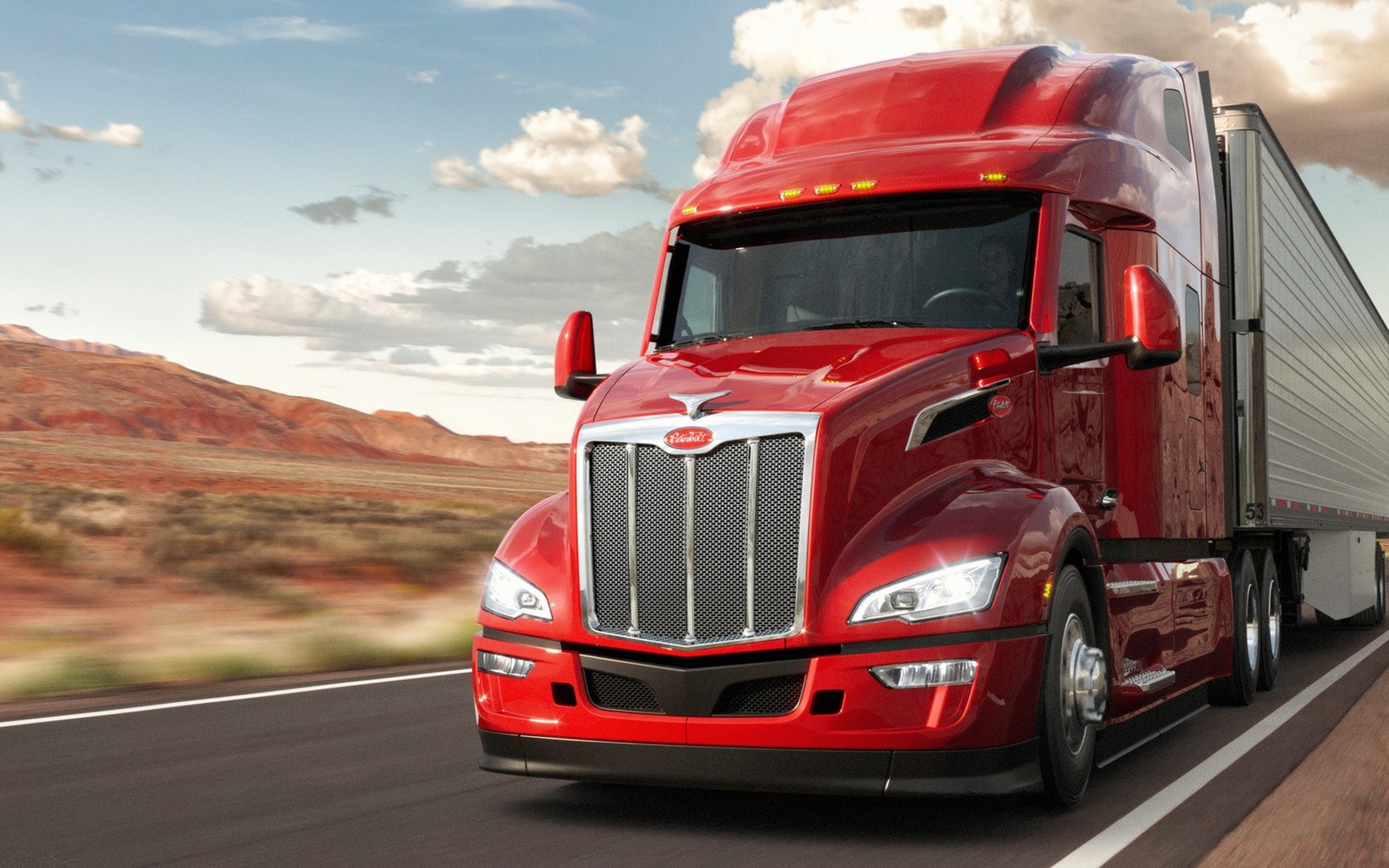
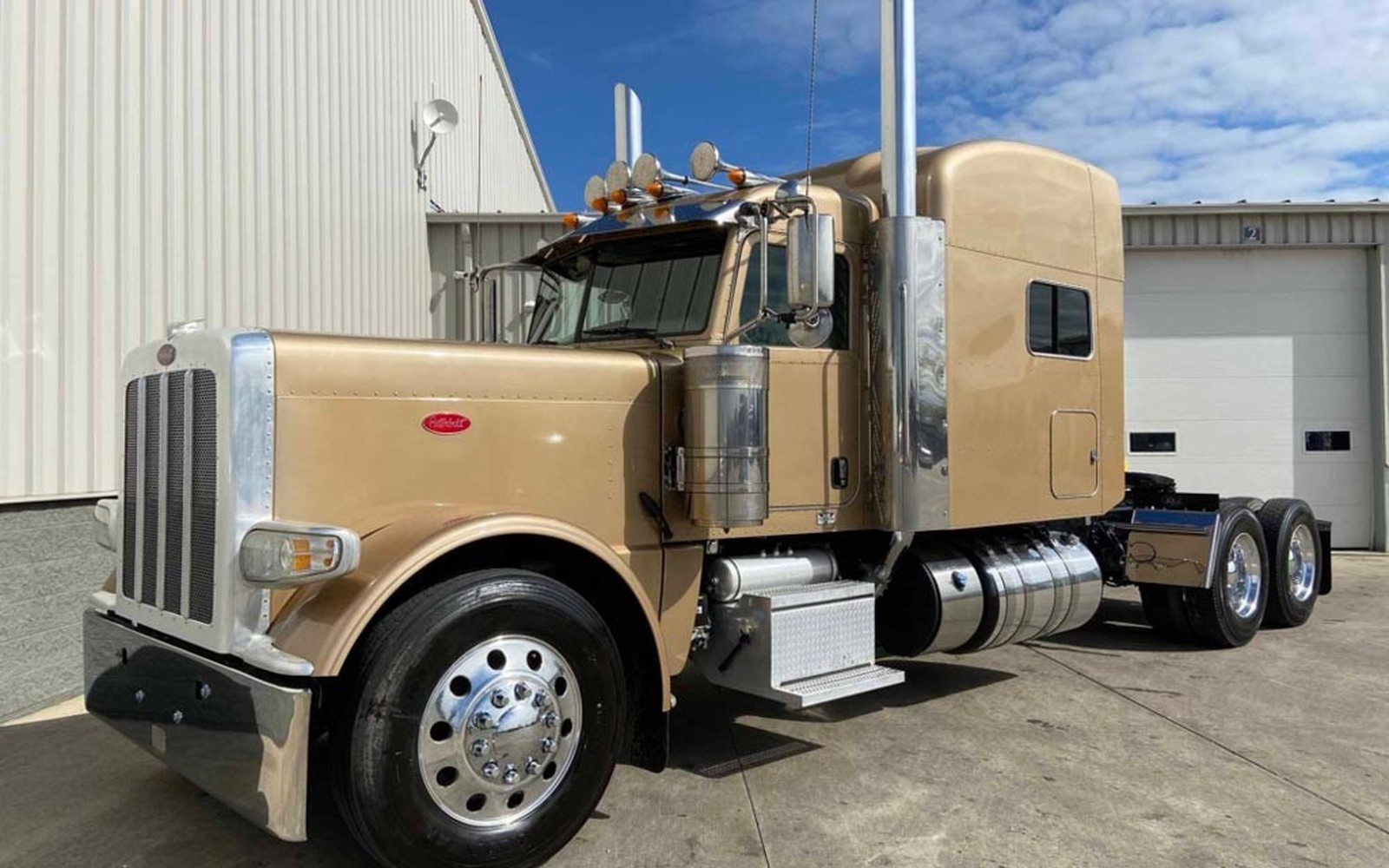
Cash out of a Peterbilt 579 is a viable move if you have equity, and many operators do. The 579 is Peterbilt's aerodynamic workhorse, designed for fuel efficiency in long-haul duty, and it holds resale value because the market for efficient, reliable Class 8 tractors never goes soft for long. If you've owned yours for a couple of years and the balance is down, there is equity to work with. We close refinance deals on 579s in about two weeks, and the truck doesn't stop turning miles.
The 579 is fundamentally different from the 389 in character. Where the 389 is a classic long-hood statement truck, the 579 is purpose-built for fuel economy and aerodynamics, with a lower drag coefficient and a more modern cab layout. That means the buyer pool is different, including more fleet-minded buyers who care about fuel cost per mile over aesthetics. Both trucks hold value, but for different reasons. If you're also evaluating your Peterbilt 389 for a refinance, the two can often be handled together under a single filing if you own both.
Minimum deal: $50,000. Application-only up to approximately $400,000. Three months of bank statements plus the application is the standard file.
Peterbilt designed the 579 with aerodynamics as the primary variable. The truck's aerodynamic features, including an integrated roof fairing, aero hood, and side extenders, were engineered to deliver measurable fuel savings at highway speeds compared to conventional-hood trucks. Fleets adopted it quickly for over-the-road lanes where fuel is the largest operating cost. That widespread fleet adoption created strong parts support and dealer network coverage, both of which matter to resale buyers.
The 579 runs the PACCAR MX-13 engine in most configurations, a 12.9-liter inline-six rated at multiple output levels. The Eaton Endurant or Paccar TX-12 automated manual transmission is common in recent builds. These powertrains have established service networks and well-understood maintenance intervals, which lenders treat as a positive factor compared to less-common drivetrains.
Operators running the 579 as a semi truck in long-haul or regional distribution lanes have typically made significant payments by year two or three of ownership, creating a meaningful equity position. That is the window where refinancing makes the most sense, before the machine ages enough to reduce values further.
A standard cash-out refinance keeps you in the title. We pay off any existing lender, advance proceeds above the payoff, and you make a new payment to us on a fresh note. The net effect is cash in your account and one consolidated lender relationship. If your current note carries a high rate from a dealer or subprime lender, the new rate may also be lower, reducing your monthly outlay.
A Equipment Sale-Leaseback produces a larger lump sum because you're effectively selling the truck at fair market value and leasing it back. You give up ownership during the lease period but retain full operational control of the truck. At lease end, depending on structure, you may have a buyout right. Operators who need a larger capital injection to fund payroll, a second truck down payment, or a business expansion sometimes choose the leaseback for the bigger upfront amount. We model both options when you contact us so you can see the numbers side by side.
On the financing side, if you want to pair this with used equipment financing on a second truck, the leaseback proceeds can flow directly into that purchase with a coordinated close.
The 579 is a well-known, well-valued asset, and lenders who understand trucking credit the truck's market standing when reviewing the deal. That means your credit score isn't the only factor. If the truck has value, you have verifiable income, and you've been making payments, the credit picture can be imperfect and still result in an approval.
We regularly work with owner-operators in the trucking and transportation sector who have gone through a rough patch, whether a late payment period, a contract dispute that hit cash flow, or a personal credit event. B and C credit equipment financing is something we handle routinely. The file requirements stay the same: application, three months of bank statements, existing payoff info, VIN and mileage.
If the truck is your main income-producing asset, that revenue history is your strongest argument. Bank statements showing consistent deposits aligned with trucking income tell the story lenders need to see.
These are the underwriting points the desk uses to turn the taxonomy page content into a real cash-out structure.
Peterbilt 579 Refinancing value, serial, configuration, hours or mileage, payoff, and comparable sales.
$50. The available cash is based on verified value minus the existing payoff.
Two weeks.
Working capital, down payments, debt cleanup, slow-season coverage, and project mobilization.
APUs, premium sleeper upgrades, and documented aftermarket additions can increase the market value appraisal if disclosed. Don't hide them.
Lease-to-own has a different title structure than a standard loan. Contact us with the details and we'll assess eligibility.
Yes. The truck stays in service. We don't require downtime for the transaction.
Refinance loan proceeds are generally not taxable income. Consult your accountant on the specifics and deductibility of the new interest.
There's no mandatory waiting period from our end. It depends on the equity position at the time of the new application.
Give us the VIN, mileage, current payoff, and three months of statements. We run the numbers with our financing desk and come back with real terms, not a range. Cash-out equipment refinancing on late-model Class 8 trucks moves fast with us. Your 579 has equity. Start using it.
Tell us what you are buying, who is selling it, and when you need it earning. We will review the file and point you to the next step.