Collateral Reviewed
Caterpillar 966 Wheel Loader Refinancing value, serial, configuration, hours or mileage, payoff, and comparable sales.

Wheel loaders accumulate equity quietly. A Cat 966 bought two or three years ago and worked steadily through aggregate yards, quarries, and material handling operations has almost certainly built a position worth converting to capital. The machine is not done. It is still producing. The equity in it can also produce, as working capital, a down payment on another unit, or a cash reserve for a big contract ramp-up.
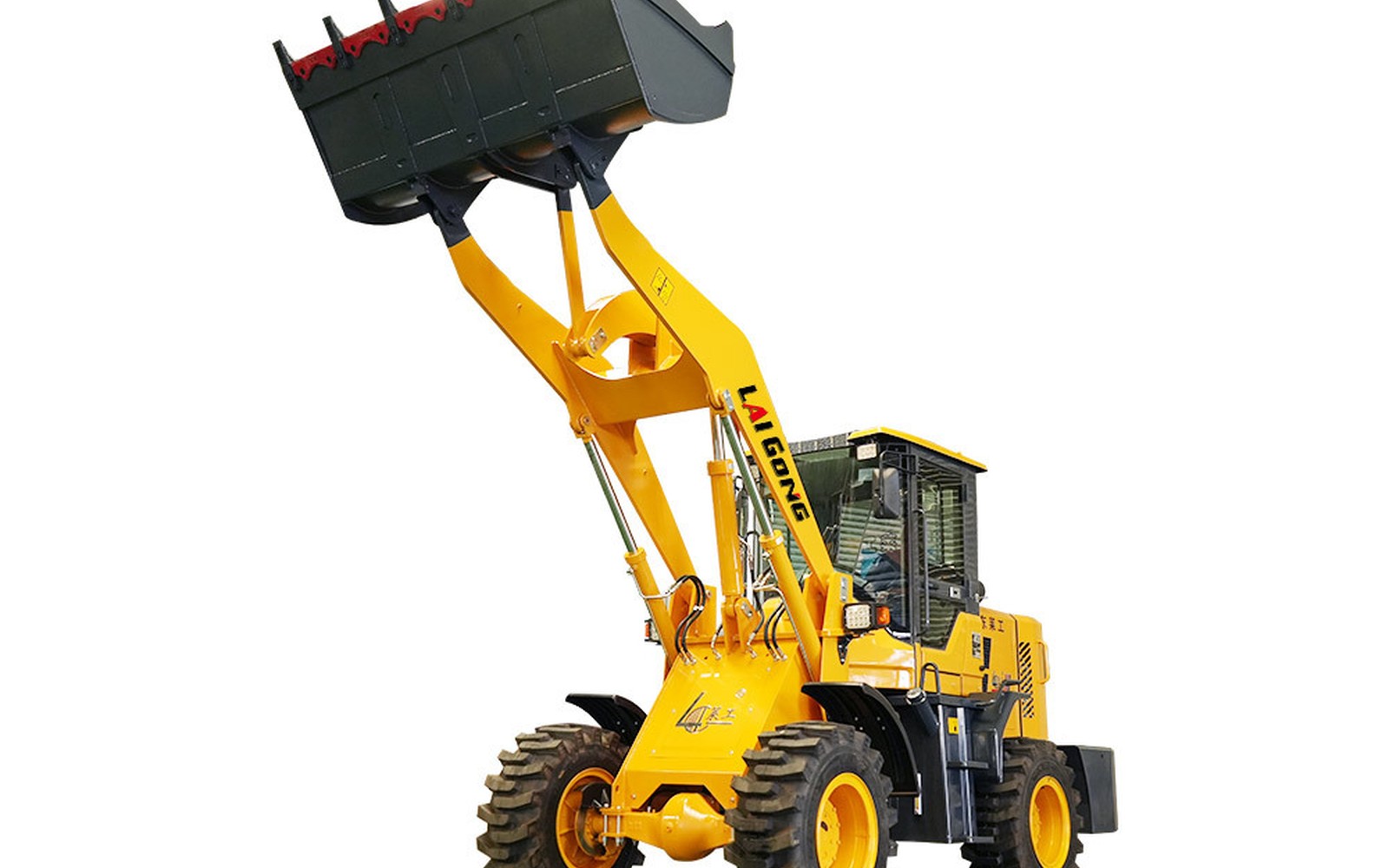
The Cat 966 is a medium-large wheel loader, typically running a four-yard bucket in standard configuration. It covers aggregate operations, stockpile handling, construction waste management, and large-scale material transfer efficiently. Companies that operate 966s are usually past the startup phase and into real volume work. Their financing needs are proportional, and a cash-out refinance on established iron fits that scale.
We work with construction and aggregate operators who need to move fast. The application is straightforward and the timeline from file submission to funded cash typically runs one to two weeks. See the full wheel loader refinancing overview for context on how these deals work across makes and sizes.
Most Cat 966s in working condition with a reasonable hour count qualify for some form of refinancing. The variables are loan-to-value, current payoff position, and what the deal needs to accomplish.
A 966 with fewer than 10,000 hours and a complete service record is a strong candidate. One with higher hours and documented maintenance (tire replacements, transmission service, hydraulic work) can still qualify, though the appraised value will reflect the hours. Machines in aggregate operations tend to accumulate hours faster than those in light material handling, so context matters.
Tire condition on a wheel loader is analogous to undercarriage on a track machine. New tires on a 966 add measurable value and lenders know it. If you have had a recent set installed, include that in the machine description when you apply.
We work with B and C credit borrowers regularly. An imperfect credit file paired with a strong machine and real cash flow is a profile we handle, not a profile we turn away.
Step one is establishing value. We use current market data on Cat 966 comps to determine the appraised range for your specific machine based on year and hours you provide.
Step two is identifying the deal structure. If you have an existing lien, we pay it off and issue you the net equity. If the machine is unencumbered, the full loan amount is new cash. In either case, you make monthly payments on the new note.
Step three is documentation. For application-only range deals, this is a credit application and three months of bank statements. For deals that exceed that range, we may ask for more. The 966 commonly falls in the range where application-only is sufficient, depending on year and condition.
A cash-out equipment refinance is distinct from simply refinancing for rate. In a pure rate refinance, the goal is lower monthly payment. In a cash-out, the goal is extracting equity as a lump sum. Some deals accomplish both at once, especially when an owner originally financed at a higher rate during a credit-challenged period.
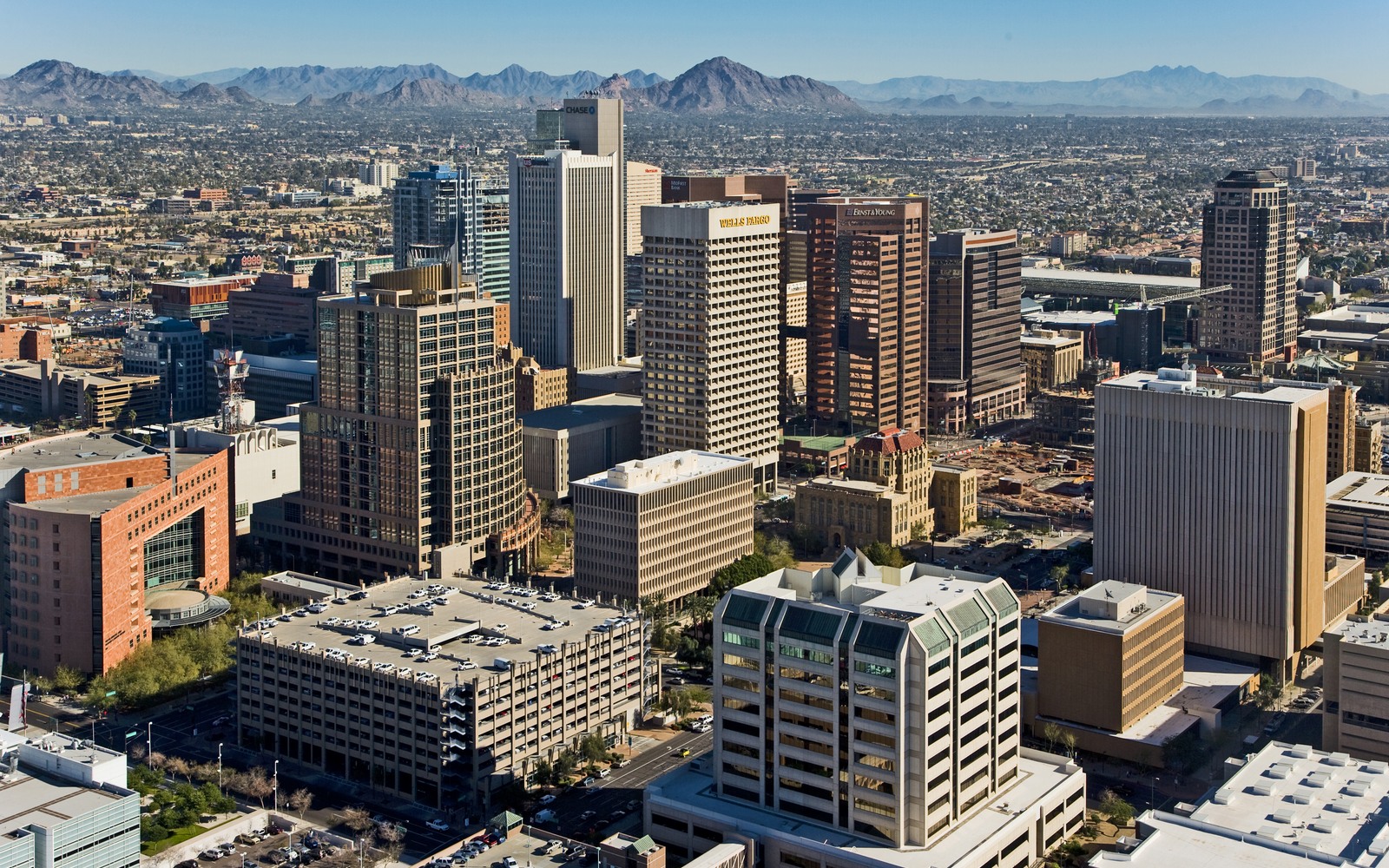
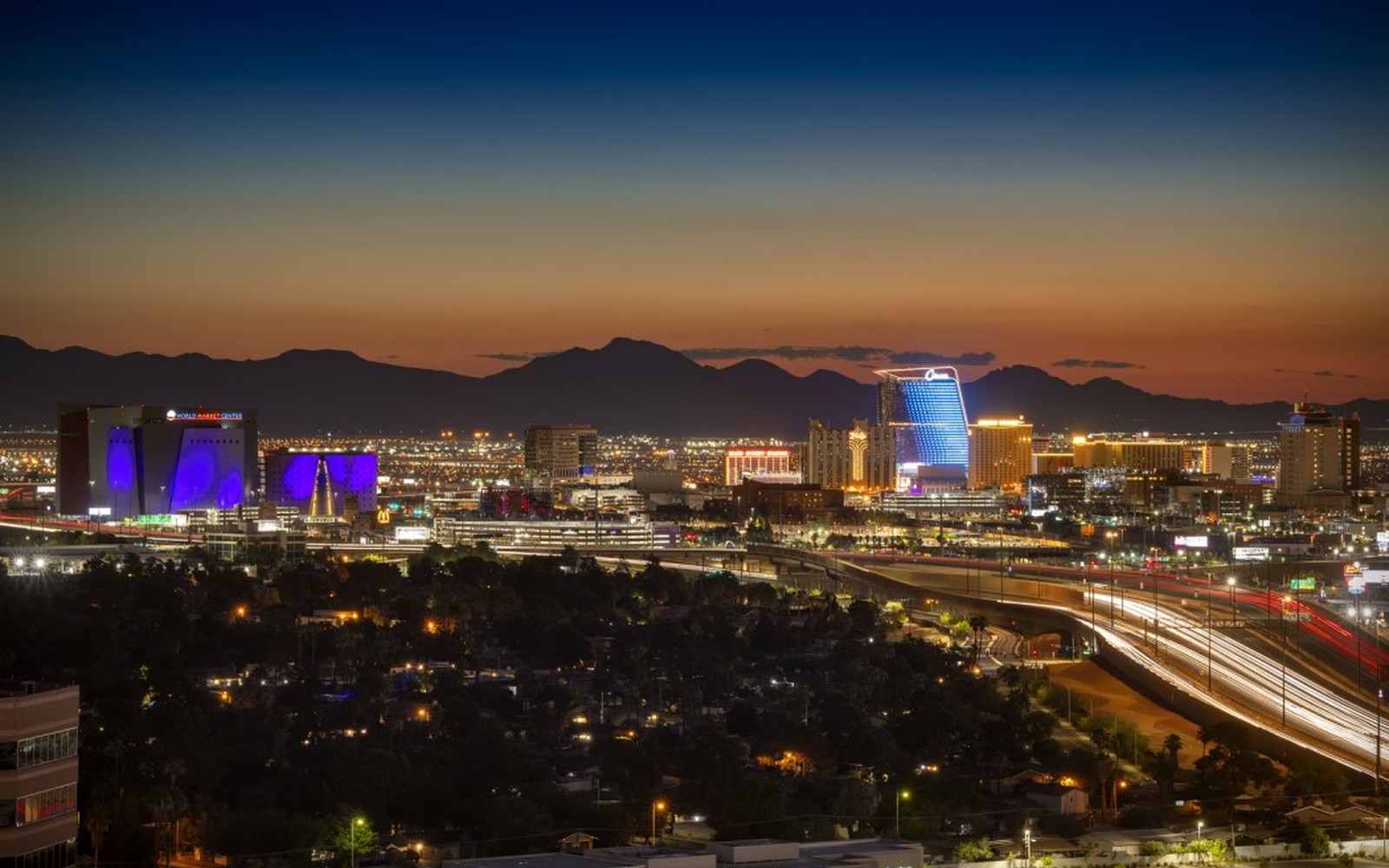
Cat 966s are common equipment in markets where aggregate production, construction staging, and material handling drive the local economy. Operators in places like Phoenix and Las Vegas, where infrastructure and residential construction volume has been high, often own wheel loaders at the 966 level and use refinancing to capitalize the next phase of growth.
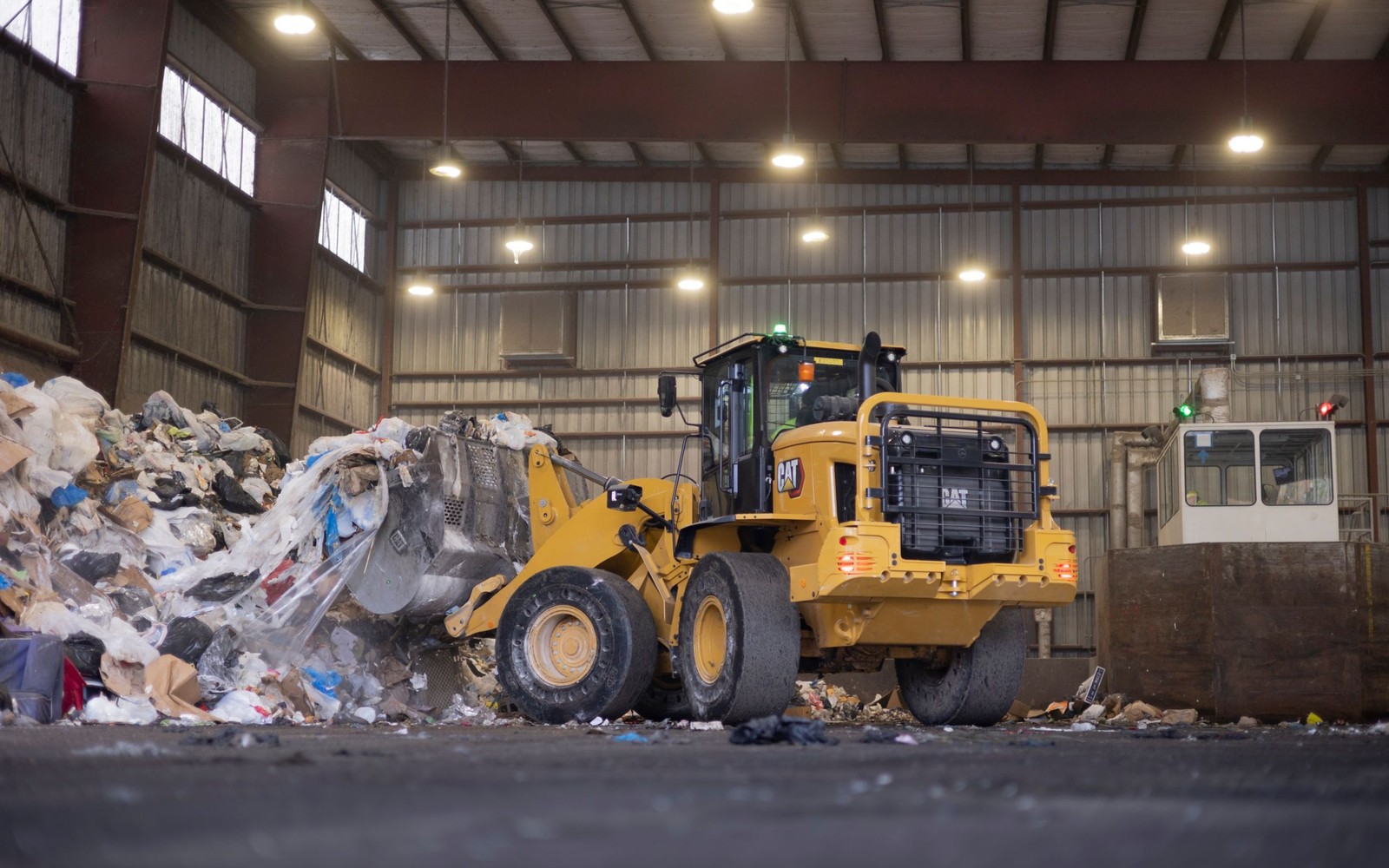
Recycling and waste-handling operations are another active segment. A 966 pushing material at a recycling facility or construction debris yard runs a predictable duty cycle and holds value in part because its use is consistent rather than abuse-prone. Waste and recycling operators frequently own 966-class loaders and are good candidates for equity extraction.
Aggregate and quarry operators, who may own several wheel loaders across a site, sometimes pull equity on the fleet to fund site development or plant upgrades. A 966 or two can fund a meaningful capital project when handled as a coordinated refinancing package.
If a straight cash-out refinance is not the right tool, there are adjacent structures worth considering.
A Equipment Sale-Leaseback on the 966 can release more capital than a refinance by converting the machine's full value to cash, with a lease payment replacing ownership. For operators who want maximum liquidity and are less attached to the title, this can make more sense.
If your goal is simplifying multiple machine payments rather than pulling cash, a debt consolidation equipment loan bundles existing obligations into one note. Many operators with two or three Cat units on separate payment schedules find this cleaner even if they are not specifically looking to cash out.
And if your credit position has improved since you originally financed, a refinance purely for rate reduction can lower your monthly payment and free up cash flow without a formal cash-out component. All of these are tools we discuss with you before you pick a path.
Productive iron with equity is the best collateral you have. Let us tell you what the 966 qualifies for. Submit the machine details and we will come back quickly with real numbers.
Also visit Caterpillar equipment refinancing to see how we handle the full Cat line, or read about equipment refinancing in general terms if you want to understand the structure first.
These are the underwriting points the desk uses to turn the taxonomy page content into a real cash-out structure.
Caterpillar 966 Wheel Loader Refinancing value, serial, configuration, hours or mileage, payoff, and comparable sales.
$400. The available cash is based on verified value minus the existing payoff.
One to two weeks.
Cat 966s are common equipment in markets where aggregate production, construction staging, and material handling drive the local economy.
Possibly. High hours reduce appraised value, which reduces the amount of equity available. If the machine has been maintained and the market comps still show value, there may still be a deal. Tell us the machine condition and we will assess it honestly.
Yes. We can structure a refinance that pays off both existing notes and issues you the net equity from both machines combined. It simplifies your payment structure and extracts capital in one transaction.
Cosmetic wear is normal for quarry equipment and lenders expect it. What matters more is mechanical condition, service history, and the operational specifications of the machine. Surface appearance is a small factor in the appraisal.
Loan-to-value varies by deal but typically runs in a range that leaves meaningful collateral coverage for the lender. We will give you a specific number once we see the machine profile and credit file.
Yes. The cash from a refinance or cash-out has no use restrictions once it is in your account. Applying it as a down payment on another machine is a common strategy.
Send the machine, payoff, and target cash-out amount. We will review the file and come back with rate, term, payment, and net proceeds.
Tell us what you are buying, who is selling it, and when you need it earning. We will review the file and point you to the next step.