Collateral Reviewed
Haas ST-20 CNC Lathe Refinancing value, serial, configuration, hours or mileage, payoff, and comparable sales.

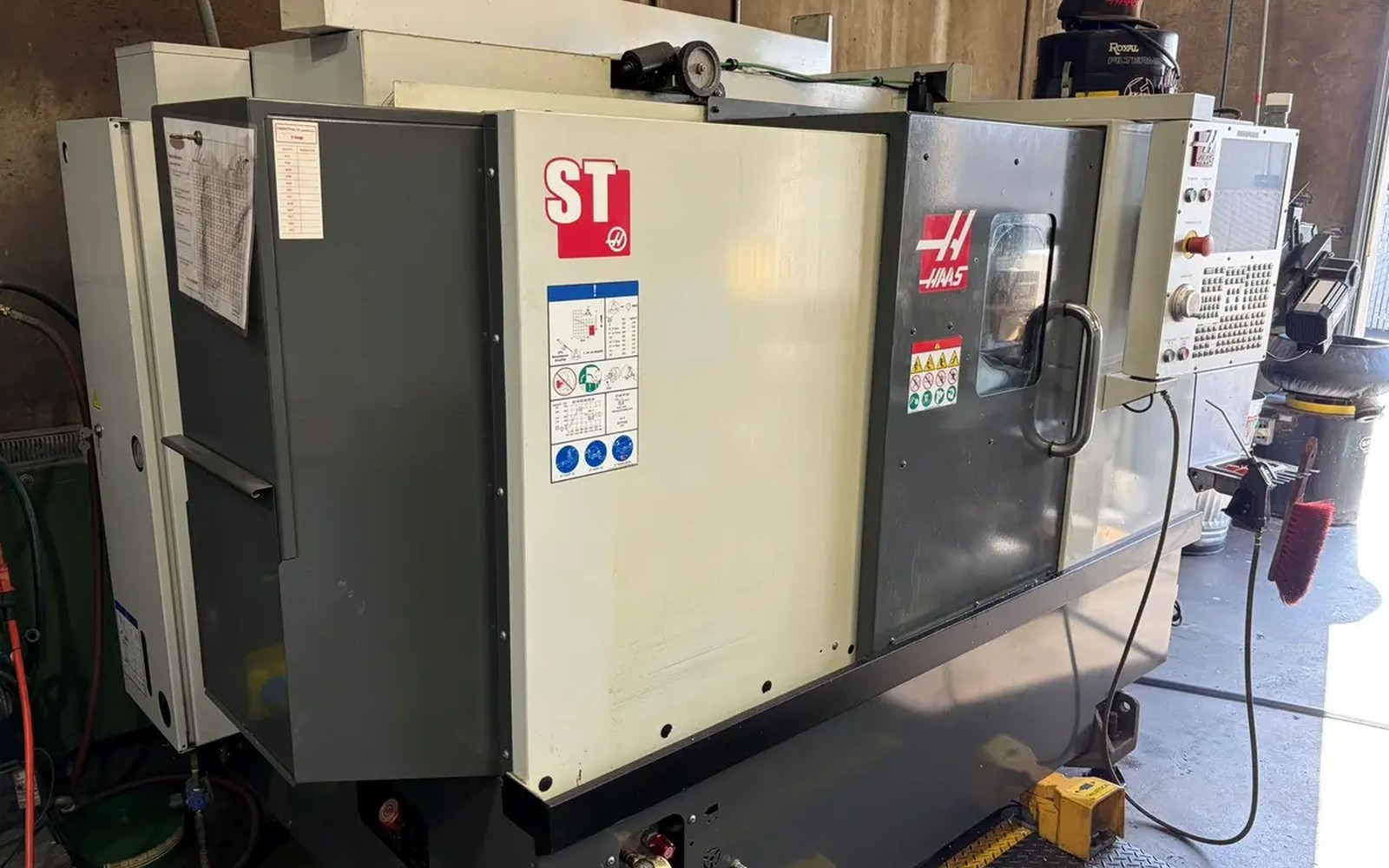
Turning centers generate revenue by the cycle, and a paid-down Haas ST-20 means that revenue is building equity just as reliably as it's building parts. If the payoff is below the machine's market value, the difference is available to you as capital right now. We structure the refinance, close it in about two weeks, and the lathe never misses a shift.
The Haas ST-20 is a mid-size CNC turning center with a 20-inch maximum turning diameter and a 21.5-inch maximum turning length. It sits between the smaller ST-15 and the larger ST-30 in Haas's turning lineup, hitting the sweet spot for shops doing precision turned parts for automotive, aerospace, medical, and general manufacturing customers. The machine's Haas control, the same intuitive interface across the Haas turning and milling lineup, keeps operator training transferable and buyer demand broad in the used market.
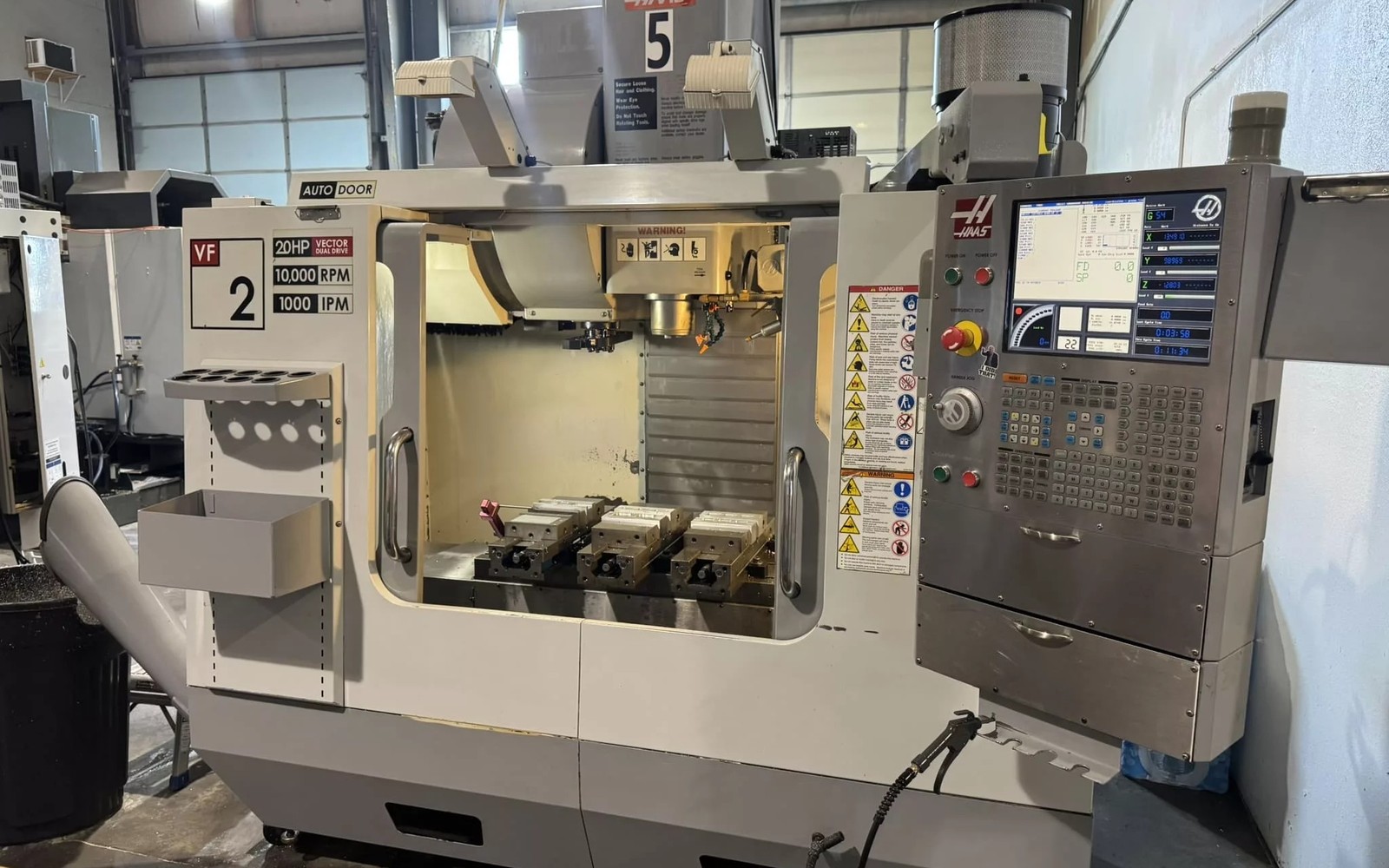
We handle the full Haas lineup. If you also have a vertical machining center, our Haas VF-2 refinancing page covers that machine, and both can sometimes be handled in a single combined transaction. Our broader Haas CNC machine refinancing overview covers the brand context.
Minimum: $50,000. Application-only to about $400,000. Three months of bank statements and the application are the starting point.
Haas built the ST-20 with rigidity and repeatability as design goals, using a slant-bed design with a 30-degree slant for chip clearance and a live tooling option on many configurations. Live tooling allows milling operations to be performed on the same machine as turning, effectively combining two operations into one setup. That versatility makes the ST-20 more capable than a pure turning machine, which is reflected in its higher market value and wider buyer appeal.
In the used CNC lathe market, Haas ST series machines are among the most actively traded. Dealers, auction houses, and direct buyers maintain consistent demand for ST-20s in 5,000 to 10,000-hour range for shops that need a capable turning center without new-machine capital expenditure. That liquidity makes the machine strong collateral for lenders familiar with the machine tool segment.
For shops in the CNC machine shop sector supplying manufacturing and fabrication customers, the ST-20 is often a high-utilization asset. High utilization means hours accumulate, but it also means the machine has a verifiable production record, which supports the revenue argument during underwriting.
We start with the machine's current market value based on year, configuration, live tooling status, and hours. From there we apply a loan-to-value ratio to determine the maximum advance, then subtract any existing payoff balance. The remainder is your cash out. If the machine is free and clear, the full advance amount is available to you.
The file you submit: completed credit application, three months of business bank statements, existing payoff statement if any, and machine details including year, serial number, approximate hours, and configuration (chuck size, live tooling, tailstock type). Accurate machine details avoid appraisal surprises. We want to know the real spec.
From a complete file, decisions come back fast and funding typically follows within one to two weeks. If you want to explore an equipment sale-leaseback rather than a standard refinance, that's equally available. The leaseback produces a larger upfront amount at the cost of title transfer during the lease period, and it's worth comparing the two numbers before you decide.
Job shop owners often have credit situations that don't reflect the full picture of their business. A slow year, a customer payment dispute, or a personal credit event can suppress a score that doesn't represent the shop's operating capacity. We work with lenders who evaluate machine tool collateral with appropriate weight on the asset value, not just the credit score.
B and C credit equipment financing is available for qualified borrowers with the right asset. A fully paid-down ST-20 worth $60,000 with a borrower at a 610 credit score is a different underwriting conversation than a soft-collateral borrower at the same score. The machine is the argument, and the machine speaks for itself.
Three months of bank statements showing consistent business deposits and manageable average balances help close the gap between a marginal credit score and an approved transaction. The more consistent and predictable your cash flow history, the better the lender's comfort level.
The typical ST-20 refinance comes from a job shop owner who bought the machine to serve a specific customer or to bring a turning process in-house, and who now has equity in the machine after two to four years of consistent payments. The catalyst is usually a new opportunity that requires capital: another machine, a larger facility, a new customer that requires upfront tooling investment, or working capital to cover a gap between contract milestones.
Shops serving CNC machine shop customers in automotive Tier 2 supply chains often run ST-20s at high utilization because the machines handle the medium-diameter turned parts those customers need in volume. When a new contract comes in with a high first-run cost, the equity in a paid-down ST-20 is the cleanest source of capital available. It's cheaper than credit card debt, faster than an SBA loan, and doesn't require diluting ownership the way an investor would.
Shops in markets like Pittsburgh and Detroit, with established industrial supply bases, often have shops that have been operating Haas turning centers for five or more years. Those machines carry meaningful equity that's never been tapped, and the owners often don't realize how accessible it is until they call us.
These are the underwriting points the desk uses to turn the taxonomy page content into a real cash-out structure.
Haas ST-20 CNC Lathe Refinancing value, serial, configuration, hours or mileage, payoff, and comparable sales.
$50. The available cash is based on verified value minus the existing payoff.
Two weeks.
The typical ST-20 refinance comes from a job shop owner who bought the machine to serve a specific customer or to bring a turning process in-house, and who now has equity in the machine after two to four years of consistent payments.
Yes. Live tooling increases market value relative to a standard turning-only configuration. Disclose the full spec for an accurate appraisal.
Yes. Used dealer acquisitions with clean titles are eligible.
Structural repairs need to be disclosed. A properly documented professional rebuild may not significantly impact value, but we want to know upfront.
Yes. Use of proceeds is unrestricted. Tooling investments are a common use of machine refinance capital.
Most lenders in our network allow prepayment. We disclose any prepayment penalty structure before you sign.
Machine year, serial number, hours, configuration, current payoff: that's what starts the file. Add three months of bank statements. We price across machine tool lenders and come back with real terms fast. Cash-out equipment refinancing on CNC lathes is work we do consistently. Your ST-20 is earning. Make sure the equity is too.
Tell us what you are buying, who is selling it, and when you need it earning. We will review the file and point you to the next step.