Collateral Reviewed
Haas VF-2 CNC Mill Refinancing value, serial, configuration, hours or mileage, payoff, and comparable sales.

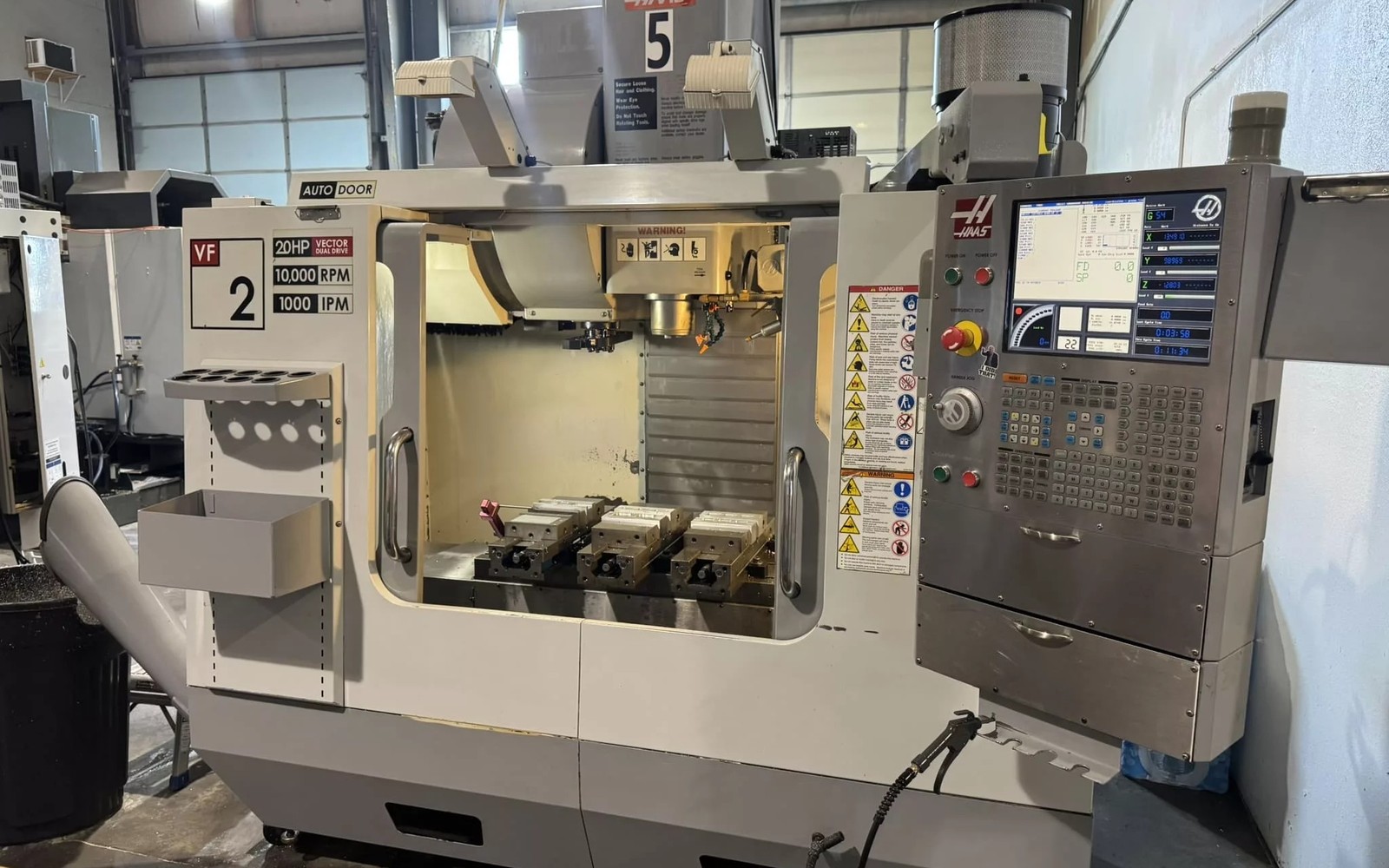
A Haas VF-2 with spindle hours on it and a paid-down note is a balance sheet asset that can generate more capital than just the parts it makes. If you own one, you likely have equity that can come out as cash while the machine keeps running first shift. That is the transaction we specialize in, and we close it in about two weeks.
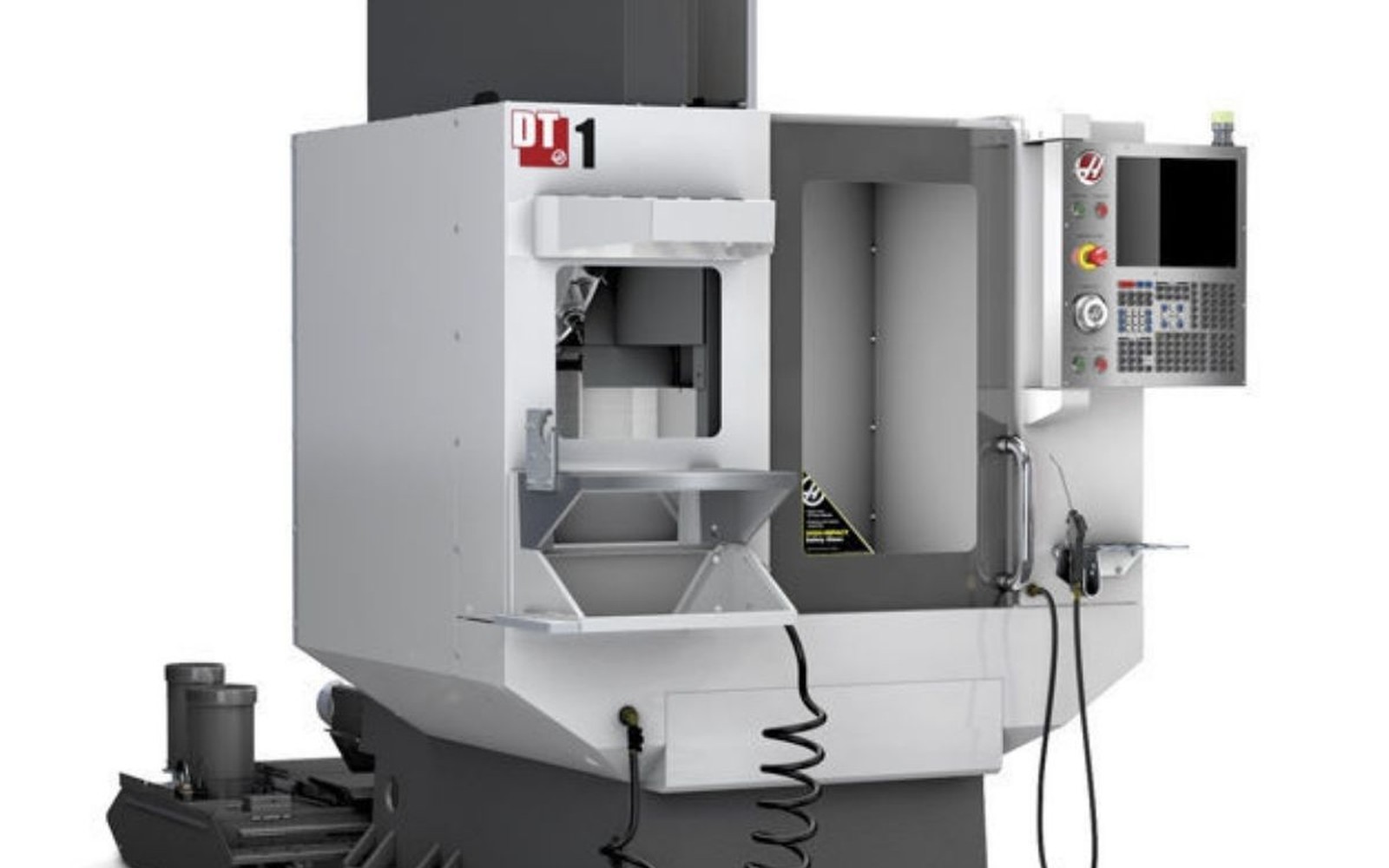
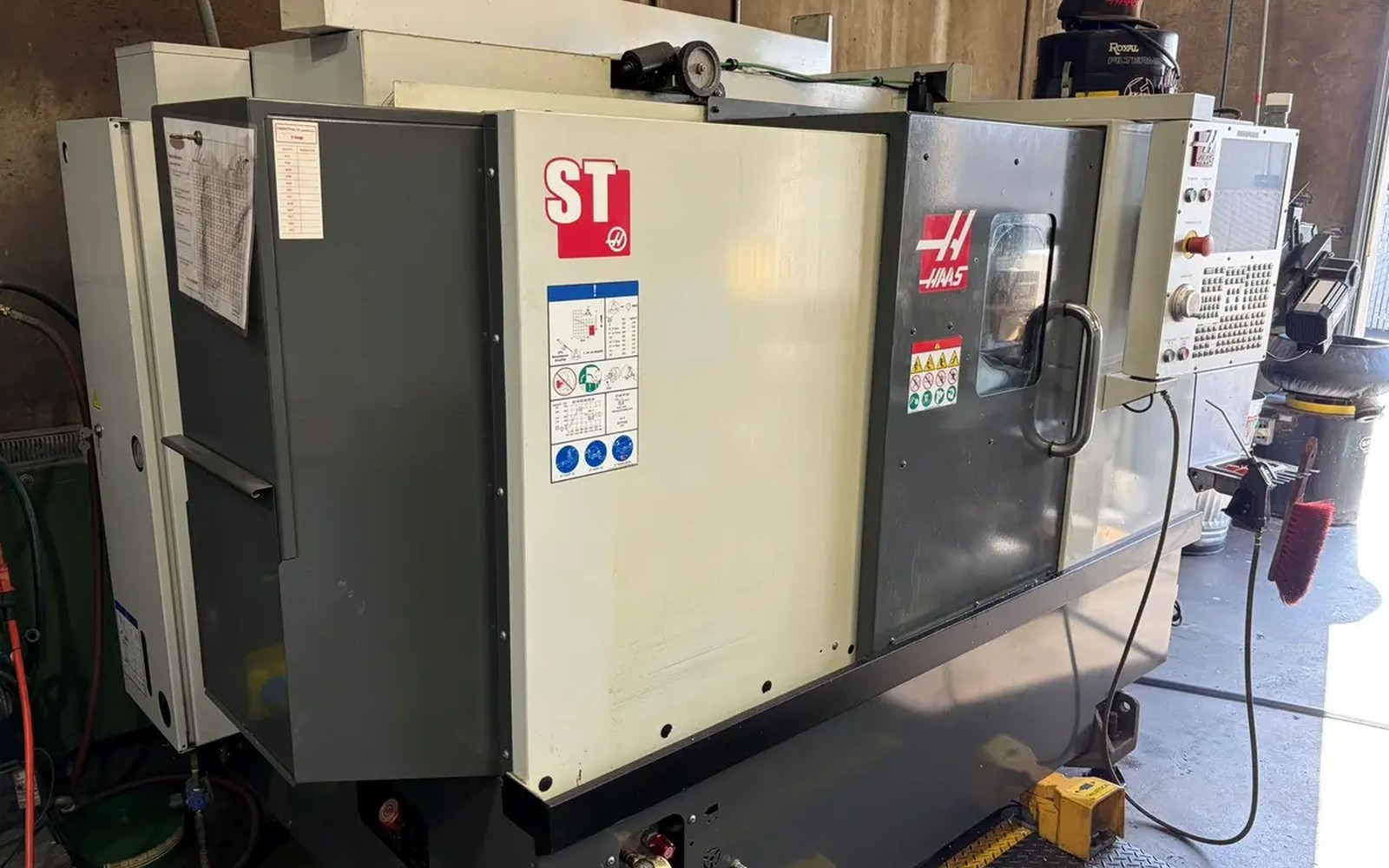
The VF-2 is Haas Automation's standard workhorse vertical machining center, the machine that probably introduced more American job shops to CNC machining than any other single model. Its 30x16x20-inch work envelope, 8,100 RPM spindle, and 20-tool side-mount tool changer are the baseline spec that shops use to evaluate other machines against. Haas built the VF-2 to be accessible, reliable, and serviceable by in-house maintenance staff rather than requiring a factory service call for every issue. That owner-serviceable design is part of what keeps resale demand strong. For a broader look at refinancing Haas equipment, our Haas CNC machine refinancing page covers the full lineup including the Haas ST-20 lathe.
Minimum: $50,000. Application-only to approximately $400,000. Three months of bank statements and a completed application start the file. B and C credit considered.
Haas VF-2 units hold their value better than most machine tools of comparable age because of the parts availability and the service network Haas has built. The Haas Factory Outlet network means buyers can find local support, which reduces the perceived risk of buying used. That buyer confidence supports appraised values that make refinancing viable even on machines with several thousand hours of service.
Typical VF-2 configurations come with the Haas control, which is one of the more operator-friendly CNC controls in the market. Operators who buy used VF-2s typically prefer the familiar control over learning a competitor's interface. That preference keeps the pool of willing buyers wide, which keeps values up.
From a lender's perspective, the VF-2 is a known quantity. Specialty machine tool lenders who work with job shops and CNC machine shops understand the asset class and have underwritten it many times. They don't need to research what a VF-2 is or what it sells for at auction. That familiarity speeds up the process and reduces the margin lenders add for uncertainty.
The typical caller is a job shop owner who bought the VF-2 new or used, has been paying on it for two or more years, and now wants to pull capital for a second machine, a tooling investment, or working capital for a new contract that requires materials up front. Some callers want to replace high-rate dealer financing from the point of purchase with a better rate now that the shop has more credit history.
Others own the VF-2 free and clear after years of consistent payments and want to cash out against an asset that's generating revenue every day it runs. A machine making parts on the first shift and sitting idle in the evening is an underutilized equity vehicle. A refinance converts that idle equity into a second machine, more tooling, or a shop expansion.
Shops serving manufacturing and fabrication industries in markets like Detroit or Cleveland, where the industrial supply base runs deep, often have stable contract revenue that supports strong underwriting. A shop with three years of purchase orders on file is a different credit story than a startup.
We don't quote specific rates in the abstract because they depend on your credit profile, the machine's current market value, and lender conditions at closing. What we do is submit your file to multiple lenders who specialize in machine tool collateral and present the best available terms. You see the full term sheet before committing.
Terms on CNC equipment typically run three to five years. Shorter terms mean less total interest cost but higher monthly payments. Longer terms reduce the monthly obligation but cost more over the life of the loan. Shops with stable contract revenue and predictable cash flow often choose the structure that keeps the payment proportional to what the machine generates per month.
For shops that prefer to keep the machine off the balance sheet for operating flexibility, an equipment sale-leaseback is an alternative worth exploring. You receive the full fair market value upfront and lease the machine back under a monthly payment. At term end, a purchase option is typically available. The leaseback generates more upfront capital than a refinance advance, at the cost of relinquishing ownership during the lease period.
Tell us the machine year, serial number, approximate spindle hours, and current payoff. Add three months of bank statements. We price it across machine tool lenders and come back with real terms. Cash-out equipment refinancing on Haas machining centers is a transaction we run regularly. Your VF-2 is earning parts and it can earn capital at the same time. Start the conversation today.
These are the underwriting points the desk uses to turn the taxonomy page content into a real cash-out structure.
Haas VF-2 CNC Mill Refinancing value, serial, configuration, hours or mileage, payoff, and comparable sales.
$50. The available cash is based on verified value minus the existing payoff.
Two weeks.
The typical caller is a job shop owner who bought the VF-2 new or used, has been paying on it for two or more years, and now wants to pull capital for a second machine, a tooling investment, or working capital for a new contract that requires materials up front.
Yes. Private-party and used dealer acquisitions are both eligible as long as the title is clean and free of undisclosed liens.
Documented aftermarket additions like rotary tables can increase value if they're quality components. Disclose them in your application.
No. But service history documentation helps the appraisal. Log books and service receipts are useful to have ready.
Yes. We pay off the existing Haas Financial note and replace it with a new note through one of our lenders.
In some cases yes, for a complete, clean file. Tell us upfront if timeline is critical.
Send the machine, payoff, and target cash-out amount. We will review the file and come back with rate, term, payment, and net proceeds.
Tell us what you are buying, who is selling it, and when you need it earning. We will review the file and point you to the next step.