Collateral Reviewed
Revenue-producing equipment already working in the operation, with payoff and current value documented.

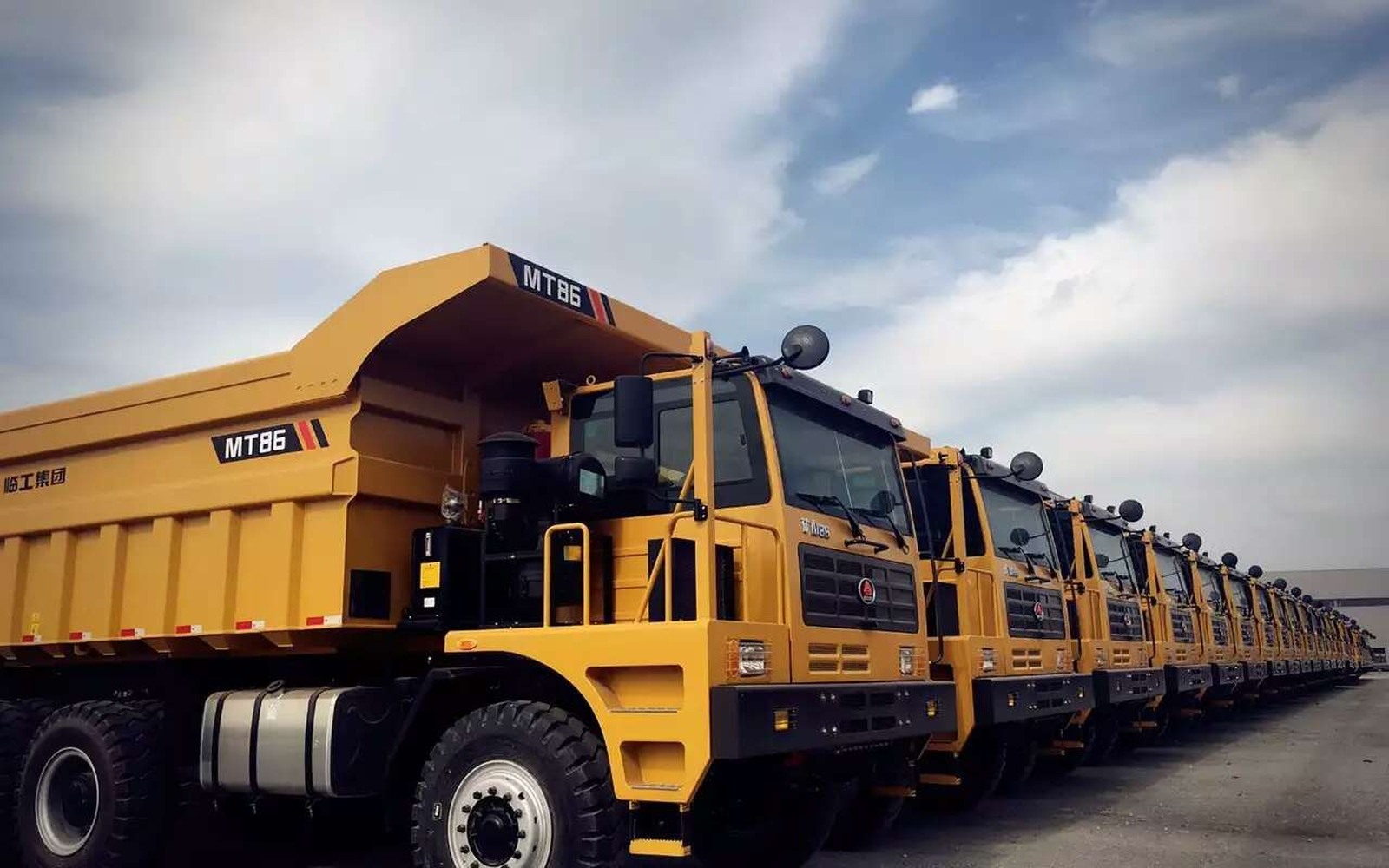
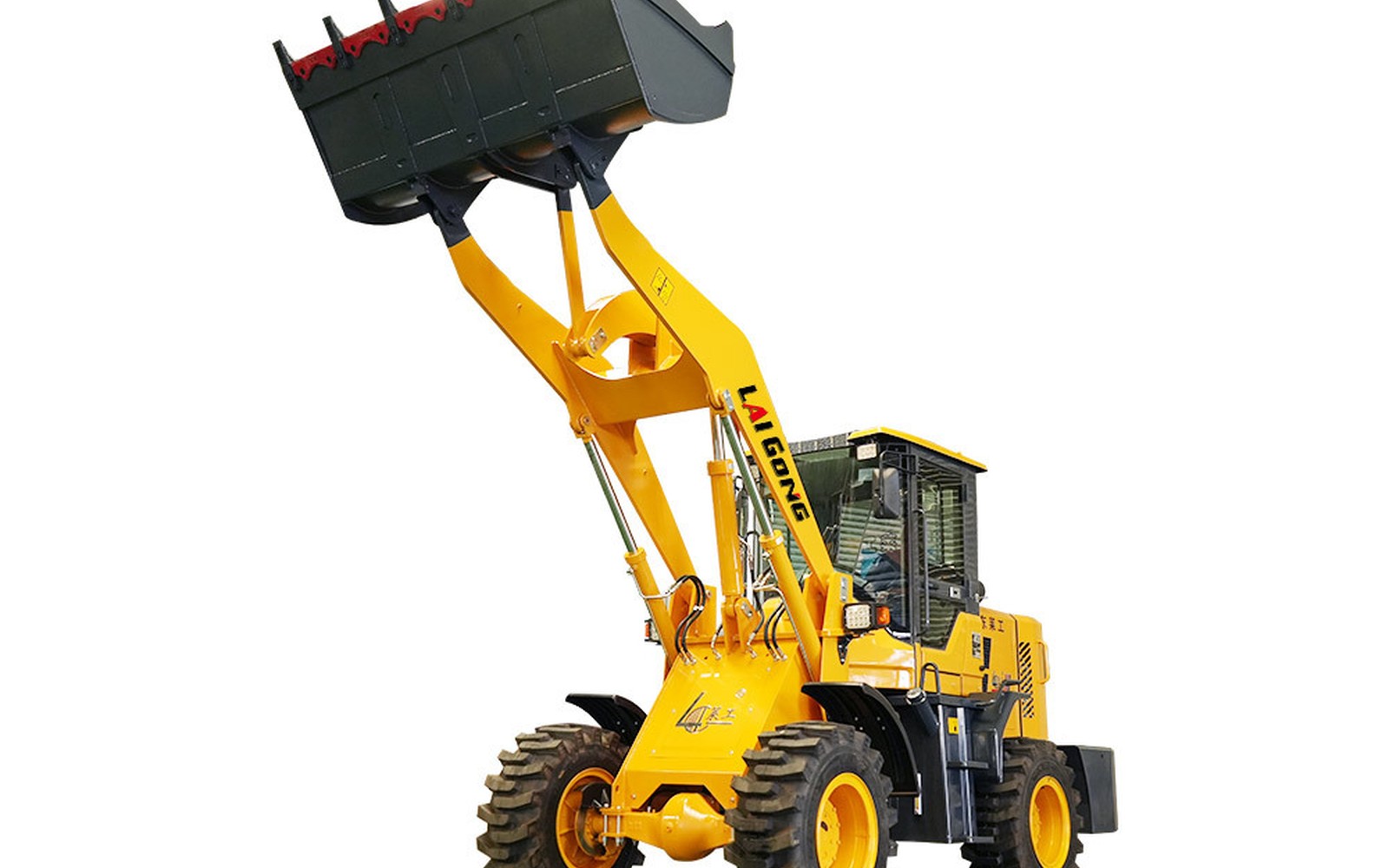
Refuse and recycling equipment is purpose-built, high-cost, and it holds value. A roll-off truck that has been running residential contracts for three years is not just a depreciating asset. It is equity. A wheel loader working a material recovery facility is the same story. Cash-out equipment refinancing unlocks that equity and puts it to work rather than letting it sit in metal.
We work with private haulers, roll-off operators, MRF (material recovery facility) operators, composting companies, and recycling processors. The equipment ranges from collection and transport vehicles to processing machinery, and most of it qualifies as collateral when value and equity support the transaction.
Minimum transaction is $50,000. Waste and recycling operators frequently run transactions costing on the order of $150k to $500k given the fleet sizes and equipment values involved. Funding takes one to two weeks from a complete file.
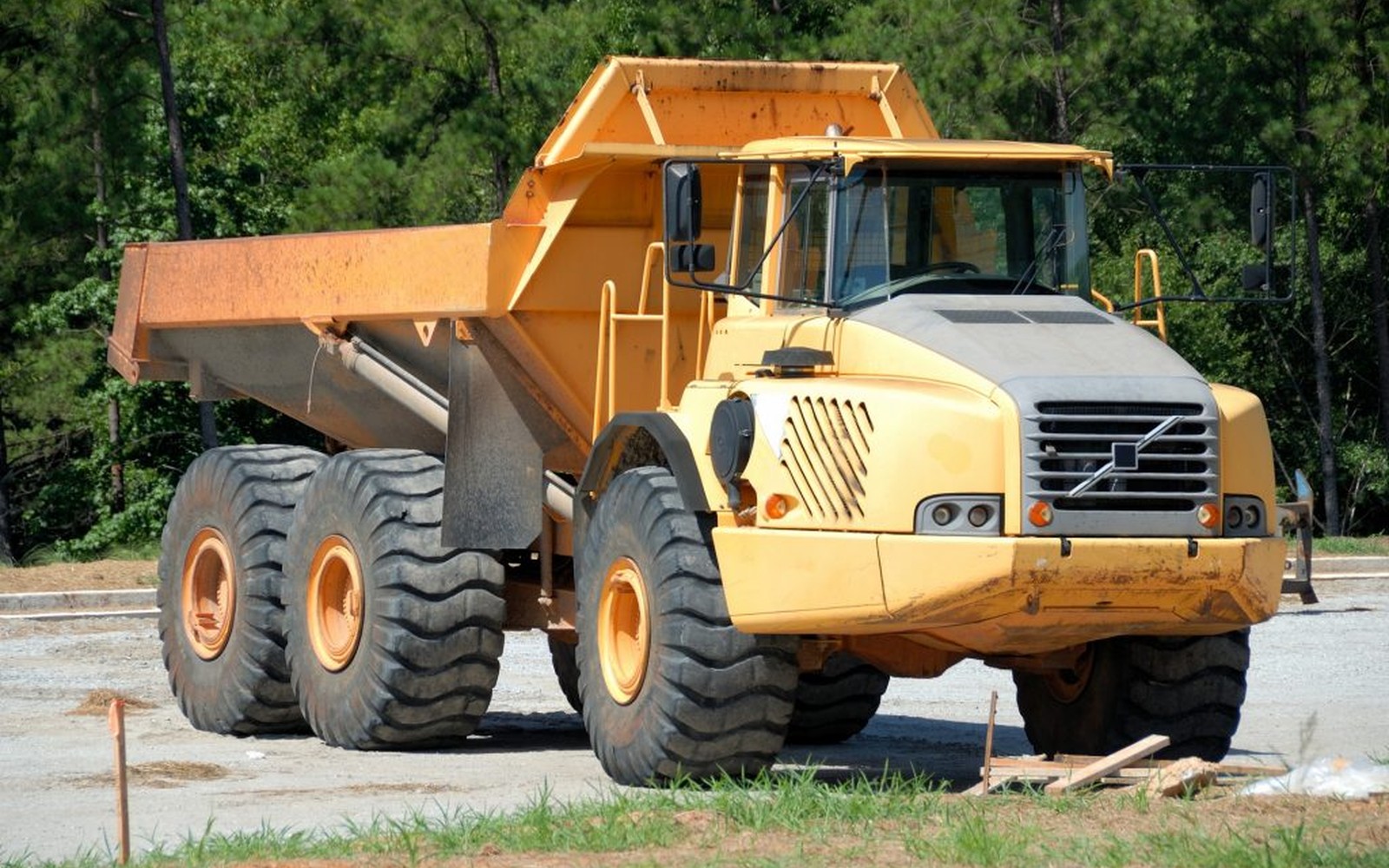
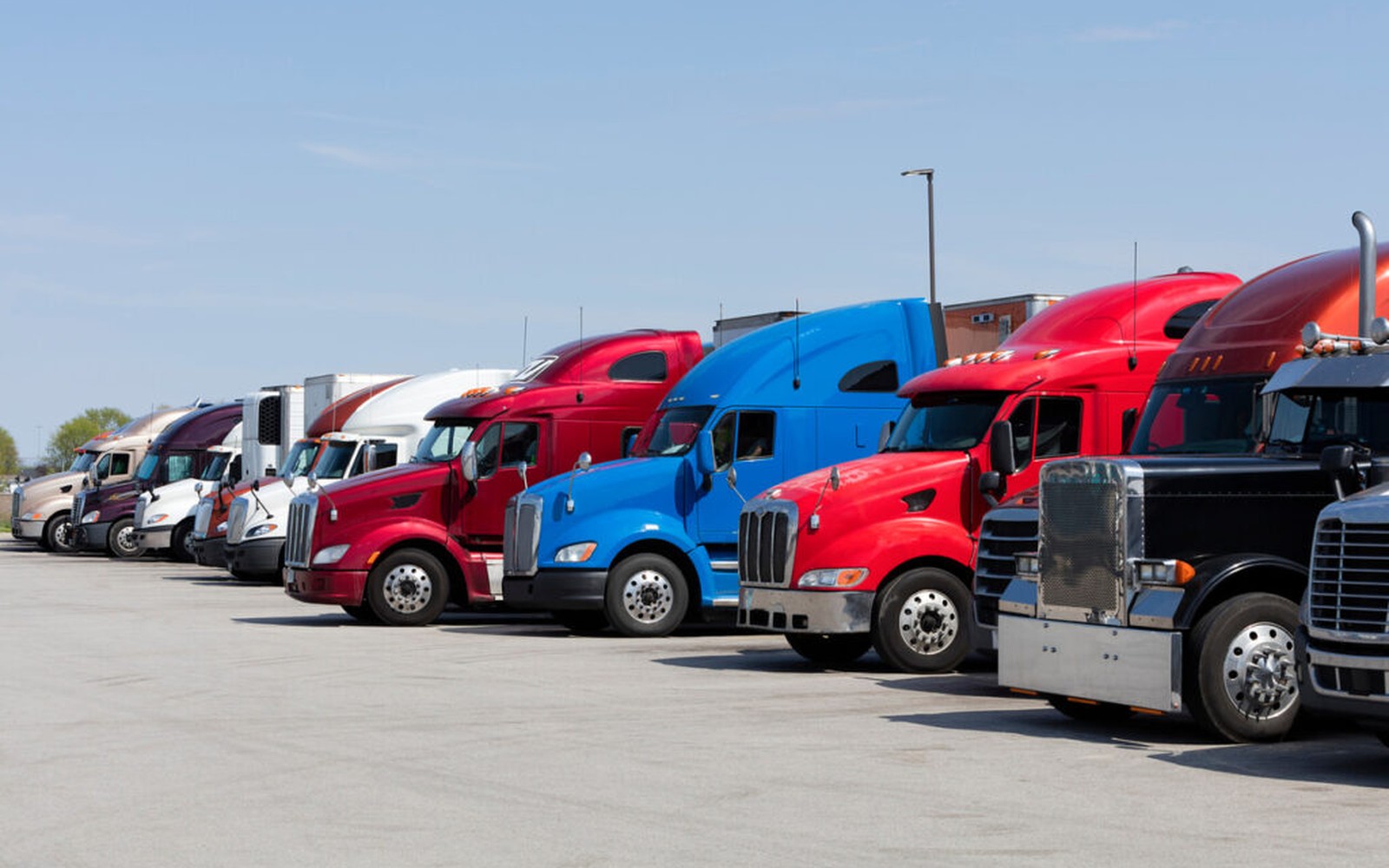
The asset categories in this industry cover both vehicle fleet and processing equipment. Primary collateral classes:
Container fleets (roll-off boxes, compactors at commercial accounts) are not primary collateral but are noted as context for the overall business picture.
Waste hauling and recycling operate on contract cycles. A new residential or commercial contract is awarded, and the capital to service it: the new truck, the container inventory, the routing software, the additional headcount, comes before the first invoice. Equipment equity bridges that gap.
Route acquisitions are another capital trigger. Buying a competitor's routes is one of the fastest ways to grow a waste hauling business, but the price is upfront and the return comes over years of contract revenue. Equipment equity from the existing fleet has funded more than a few route acquisitions that would not otherwise have been possible without outside investors.
Waste operators in markets with active residential and commercial development, including Phoenix, Orlando, and Raleigh, use this structure to grow into new service areas as the markets expand. The existing equipment pays for the new capacity.
Standard cash-out refinancing puts a lien on the vehicle or equipment, pays off any existing balance, and wires net proceeds to you. Payment runs on a fixed schedule for the term of the note. You keep operating all the equipment exactly as before.
For waste operators with fully-paid equipment, equipment sale-leaseback generates more cash. Sell the truck at market value, lease it back under a monthly payment, receive the full sale price as proceeds. The truck keeps running the routes. The capital comes in all at once rather than only the equity above a hypothetical existing balance.
Operators managing multiple contracts across different vehicle types can also consolidate equipment debt under a single blanket transaction. Replacing three separate notes with a single payment structure simplifies cash flow management and may reduce total monthly outlay if rates have improved since the original acquisitions.
Waste and recycling businesses tend to have stable, recurring revenue from long-term contracts. That revenue predictability is a positive factor in underwriting. Bank statements over three months typically show consistent deposit patterns from route billings, which makes the cash-flow picture clear.
Credit profiles vary. Some waste operators have strong business credit built over years of contracting. Others, particularly owner-operators who built a route business from one truck, have credit files that reflect the capital constraints of early growth. We work with both. B/C credit equipment financing is available for operators whose credit history does not match the strength of their current business.
For operators interested in how equipment refinancing interacts with other debt on the books, the page on debt consolidation equipment loans covers that specific structure in more detail.
Share the truck and equipment details with us. We will run the values and come back with a real structure the same day you apply. No obligation to hear the numbers.
These are the underwriting points the desk uses to turn the taxonomy page content into a real cash-out structure.
Revenue-producing equipment already working in the operation, with payoff and current value documented.
$50. The available cash is based on verified value minus the existing payoff.
One to two weeks.
Waste and recycling businesses tend to have stable, recurring revenue from long-term contracts.
Ownership structure matters for the lien position. Equipment in the business name is straightforward. Equipment in personal name or mixed registration requires more analysis. In some cases a title transfer to the business entity is part of the transaction process. Tell us the ownership situation and we will structure accordingly.
Yes. A documented long-term MSW hauling contract is strong supporting documentation for an equipment refinancing application. It demonstrates predictable revenue over the contract term, which directly supports the cash-flow analysis. Provide the contract or a summary of its terms along with the application.
Body condition is a factor but not a disqualifier. We value the truck on the basis of the chassis and powertrain plus the body condition relative to market comps for that make and configuration. A worn body reduces the value estimate but does not eliminate the equity if the truck still commands real secondary market interest.
Yes. Proceeds are unrestricted. Partner buyouts, whether of a full business interest or a partial equipment ownership stake, are an acceptable use of cash-out proceeds. We have structured transactions used for exactly that purpose.
Glider kits and body-on-chassis combinations are not uncommon in refuse equipment. We assess the chassis year and condition as the primary value driver and factor in body configuration and age separately. The combination still qualifies for refinancing when total value supports the loan amount.
Send the machine, payoff, and target cash-out amount. We will review the file and come back with rate, term, payment, and net proceeds.
Tell us what you are buying, who is selling it, and when you need it earning. We will review the file and point you to the next step.