Collateral Reviewed
Caterpillar 430 Backhoe Loader Refinancing value, serial, configuration, hours or mileage, payoff, and comparable sales.

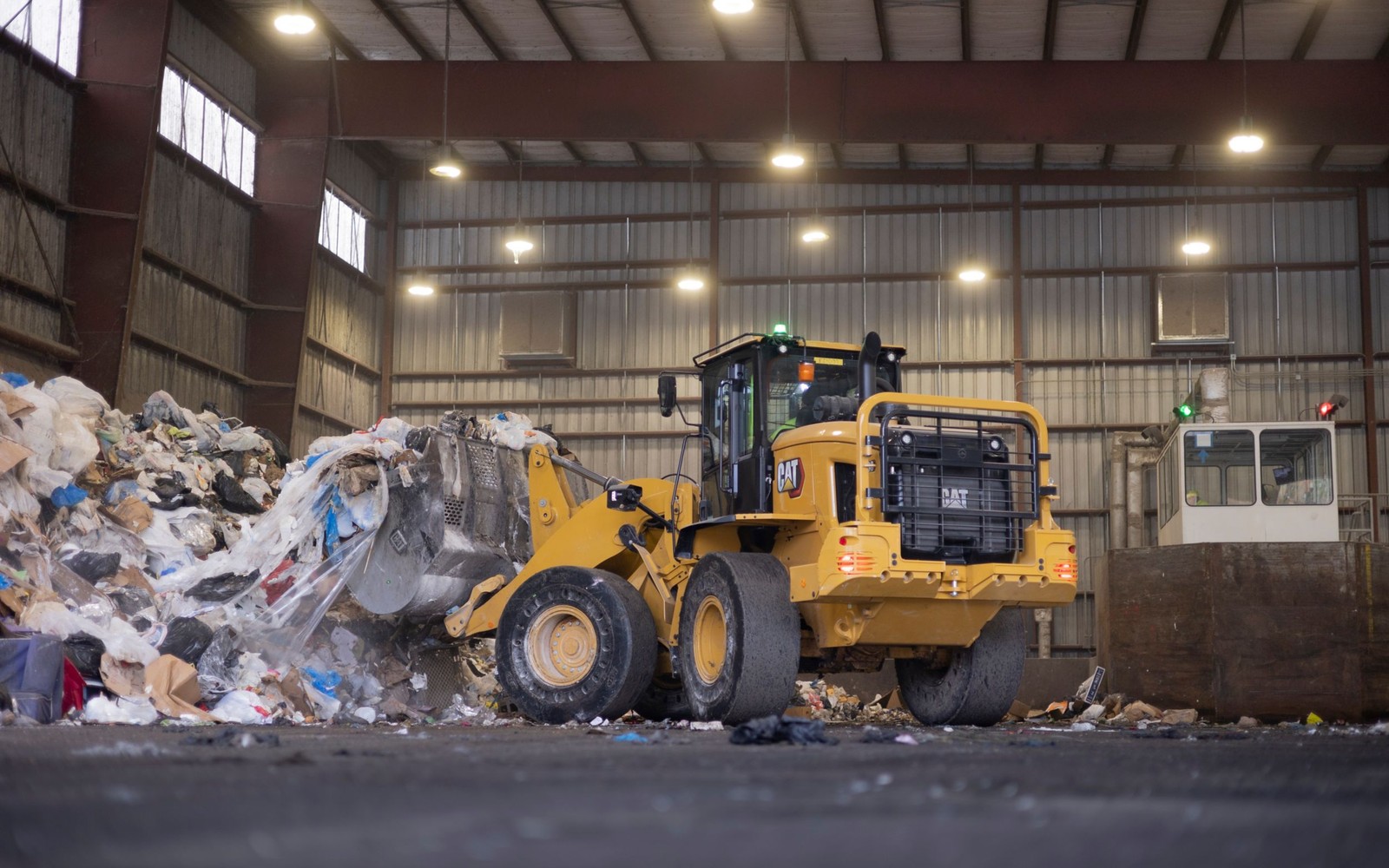
Backhoes are the most versatile machines in light-to-medium construction, and a Cat 430 that is paid down or owned free and clear is a quiet source of capital that most operators do not think about tapping. The equity is there. The machine is still running. A cash-out refinance puts that equity to work without taking the machine off the job site.
The Cat 430 is the larger of Cat's backhoe loader series, bringing more lift capacity and reach than the smaller 420 series. It runs well in utility work, small commercial site prep, irrigation, and municipal contract work. Operators who own 430s tend to be solo contractors or small crews where this one machine does most of the heavy lifting. The versatility of the platform means it holds value across a wide range of buyers in the used market, which translates to real collateral value for refinancing purposes.
We handle backhoe loader refinancing for both the Cat line and competing brands. The process starts with an application and a machine description. We come back with real numbers, not estimates.
A newer Cat 430, purchased within the last four years, typically has the cleanest refinancing path. Lenders know the current generation of Cat backhoes well, appraisal data is current, and the remaining useful life is clear. If you financed the purchase at a dealer and the rate was higher than ideal, a refinance now can also reduce your monthly payment while extracting equity.
An older 430 with more hours is a different conversation but not a closed one. Backhoe loaders tend to be maintained by owners who depend on them as their primary machine. If yours has had consistent service, known repairs documented, and no major deferred maintenance, it may still carry the value needed for a refinancing deal at or above the $50,000 minimum.
The key question for any used machine is: what would it sell for today? We use current auction data and dealer pricing to answer that question accurately. If the number supports the deal you need, we move forward. If it does not, we tell you honestly and explain what would change the picture.
Operators running used equipment as their primary fleet should know that lenders we work with are not restricted to new-machine deals. Used equipment financing and refinancing is a normal part of the market.
The solo operator or small-crew contractor who bought the 430 as their core machine three or four years ago and has paid it faithfully. The equity has built. Now there is an opportunity, maybe a larger contract, maybe a second machine, maybe a slow period requiring a cash buffer, and the equity in the 430 is the fastest capital available.
Utility and irrigation contractors in the Southwest who run 430s on water line and sewer work year-round. Phoenix and Albuquerque are active markets for this type of operator, and the steady work history makes for a strong credit profile even when the score is not perfect.
Municipal service contractors who own the 430 for road maintenance, small excavation, and right-of-way work. These operators often have stable contract revenue and machines that are run on predictable schedules. Lenders respond well to that combination.
Any operator in excavation and site work who views the 430 as a piece of capital, not just a tool, and wants to access that capital without a lengthy bank process.
Most Cat 430 refinancing deals fall within the application-only range. That means: a credit application, three months of business bank statements, the machine's year, hours, and serial number, and a payoff quote from your existing lender if one exists.
We do not ask for business plans, audited financials, or personal financial statements for standard application-only transactions. The simplified process is intentional. Operators running backhoes do not want to spend weeks assembling a document package for a deal that should close in two weeks.
B and C credit is something we handle. A credit file with some blemishes, whether from a slow period, a disputed trade line, or a prior business challenge, does not automatically close the door. The machine, the cash flow, and the overall business story all factor in. See our page on bad credit equipment financing if your situation is more complicated.
If you are unsure whether your 430 deal qualifies on value, reach out and describe the machine. We can give you a quick read on whether there is a transaction worth pursuing before you invest time in a full application.
The Cat 430 and the John Deere 310 are the two most common backhoes we see come through. They sit in similar market positions, attract similar operators, and refinance along similar lines. The appraised values differ by brand and model year, but the process is essentially the same.
If you are cross-shopping deals on different machines in your fleet, see John Deere 310 backhoe refinancing to understand how that machine compares as collateral. Knowing both gives you a clearer picture of your overall fleet equity.
For the brand-level view of Cat equipment financing across all types, visit Caterpillar equipment refinancing. We handle everything from the 430 up to large excavators and dozers, and often deal with operators who have multiple Cat units they want to address in a single conversation.
These are the underwriting points the desk uses to turn the taxonomy page content into a real cash-out structure.
Caterpillar 430 Backhoe Loader Refinancing value, serial, configuration, hours or mileage, payoff, and comparable sales.
$50,000 minimum. The available cash is based on verified value minus the existing payoff.
1-2 weeks.
A newer Cat 430, purchased within the last four years, typically has the cleanest refinancing path.
Yes. A refinance or cash-out does not interrupt your operation. You keep using the machine while the new loan is in place, making monthly payments just as you did before. The cash arrives and the machine stays on the job.
Attachments generally do not add significant value to the primary machine appraisal. They may be counted separately depending on the deal structure, but the core machine value is what the loan is based on. Let us know what you have and we can clarify.
Yes. The absence of a prior loan simplifies things. There is no lien to pay off and the full loan amount on the new refinancing goes directly to you. The machine just needs to be titled correctly in your name or your business.
Your existing lender receives a payoff from us and your old account is closed. You begin making payments on the new note. If the new terms are better, your monthly payment may go down. If you took out additional cash, the payment may be similar to or modestly higher than before, depending on the amount.
Not typically. Titling and lien recording happen in the state of registration, and we handle the paperwork coordination. You do not need to be in the same state as the title agent or the lender.
The equity is in the machine. Let us put numbers on it for you. Submit the basic machine details and we will come back with what your 430 qualifies for. Fast, direct, no runaround. Also see equipment refinancing for a broader overview of how these transactions work across machine types.
Tell us what you are buying, who is selling it, and when you need it earning. We will review the file and point you to the next step.