Collateral Reviewed
Equipment location, current payoff, lien status, value support, and how the asset is used in the business.


Austin has been in a construction cycle that has not stopped for over a decade. If you are a contractor who has been working this market, your equipment has been earning, your loan balances have been dropping, and the gap between what you owe and what the machines are worth is cash. That gap is what we fund. Cash-out equipment refinancing pulls the equity out without selling the machine, without touching your bank line, and without the ninety-day commercial loan timeline. Minimum deal is $50,000. Most close in about two weeks.
The Austin metro's construction volume is exceptional. The semiconductor and data center buildout in the Round Rock and Cedar Park corridor, the apartment boom south of the river, and the highway expansion projects around the I-35 corridor all require heavy iron. That iron is in your yard and it has equity.
Semiconductor manufacturing drove a significant wave of construction in the Austin metro. Massive fab facility buildouts require earthmoving at a scale that few markets see. Construction contractors who landed those projects ran excavators and dozers at high utilization rates. Even after the initial site work completed, the surrounding infrastructure, data centers, and support facilities kept the equipment working. Machines that have been running steadily for three or four years on those projects carry real equity.
Residential construction in the Austin suburbs, from Georgetown to Kyle, has been relentless. Subdivision earthwork, utility installation, and concrete flatwork keep excavation and site work contractors busy across the metro. Compact track loaders, mini excavators, and concrete equipment used on those projects accumulate payment history and build the equity base that makes refinancing viable.
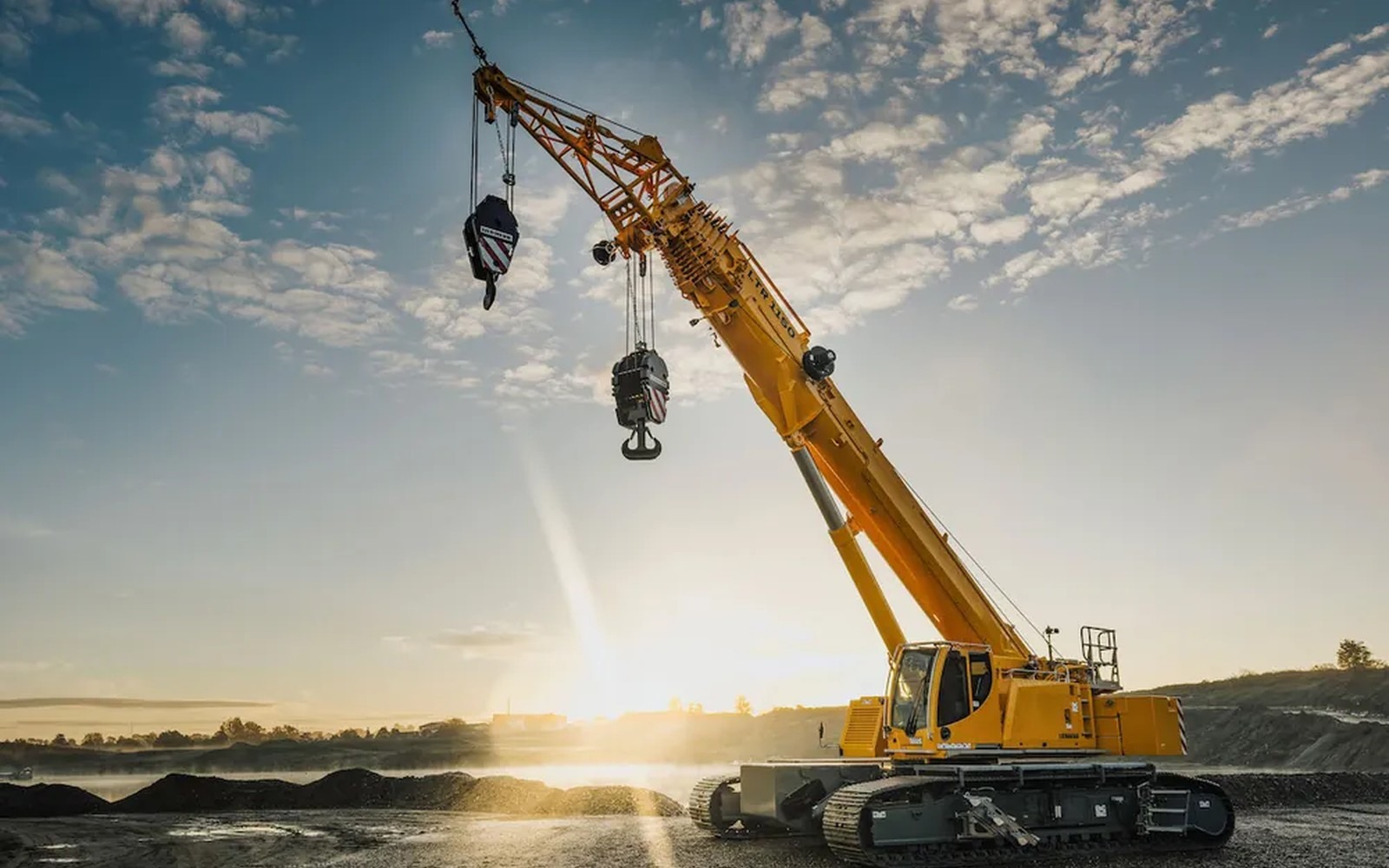
The commercial market, office parks, medical facilities, and retail, also runs strong in Austin. Crane equipment working the downtown high-rise market and the Domain area carries high market values. Telehandlers and aerial lifts running the suburban commercial projects are smaller collateral but still transaction-viable above $50,000.
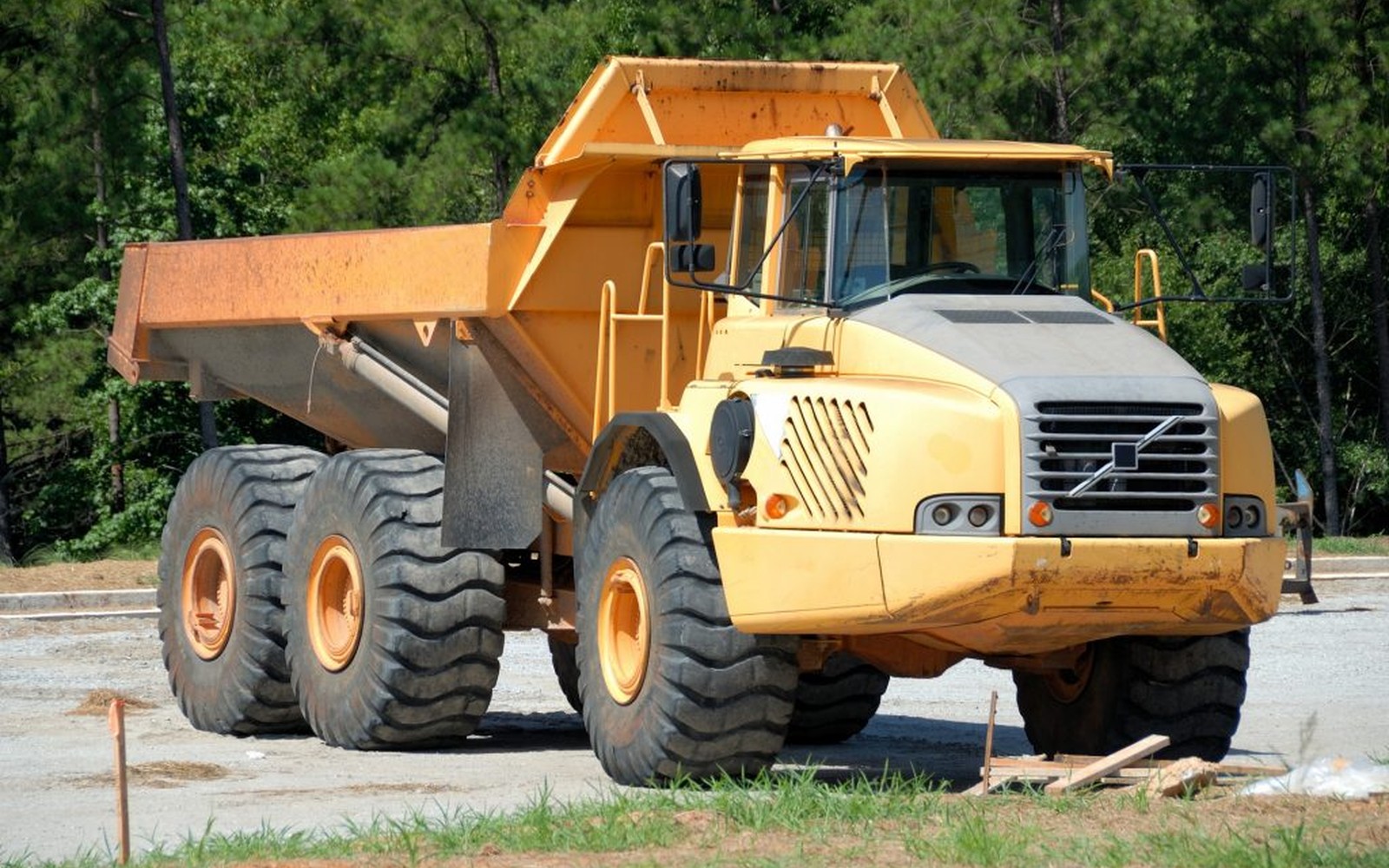
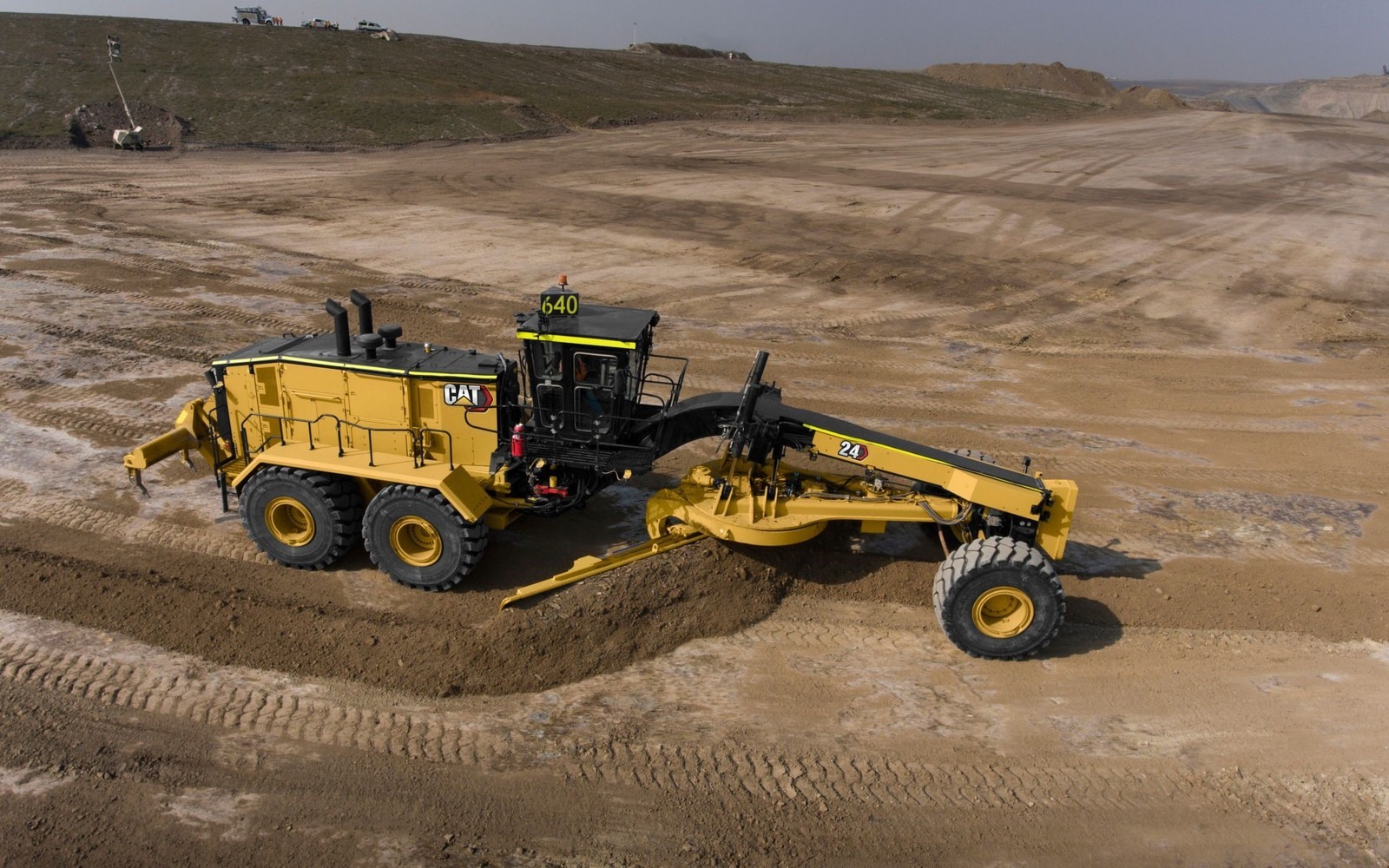
The Austin market sends us a mix of earthmoving, concrete, and lifting equipment. Excavator refinancing is common: the scale of site work here means contractors own mid-size to large excavators that have significant appraised value. We regularly refinance Cat 320 and 336 class machines, Komatsu PC210s, and comparable units from other manufacturers.
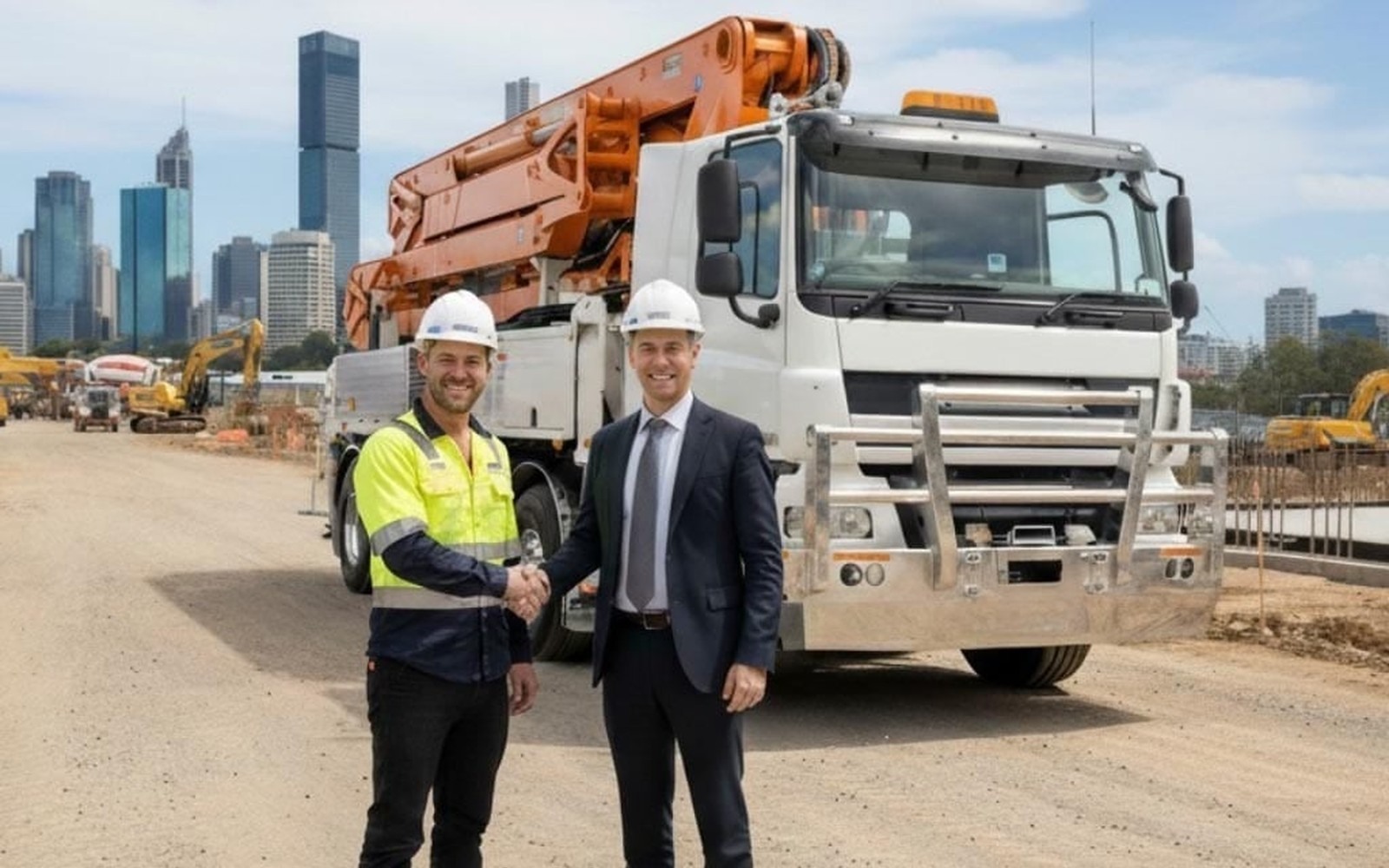
Concrete is a big category too. The residential and commercial construction volume drives demand for concrete mixer trucks and pump equipment. A mixer truck or boom pump owned for several years and well-maintained carries equity that an operator can monetize without disrupting the work schedule.
CNC and fabrication equipment comes up from the smaller manufacturing base supporting Austin's tech and construction industries. Machine shops and metal fabricators in the Pflugerville and Buda industrial corridors run equipment worth refinancing. CNC machine refinancing for these operators follows the same process as construction equipment: appraised value, existing payoff, advance on the net equity.
Austin construction contracts move quickly. A bid window opens, award goes out, and the contractor who mobilizes first often gets the next bid consideration. Equipment equity that funds a rapid mobilization, paying for fuel, deposits, crew wages, and materials in the first thirty days of a project, can be the difference between winning two contracts that season and winning one.
Our process does not require committee approval or quarterly board reviews. Application in, valuation done, term sheet out. For application-only deals under roughly $400,000, the documentation is lean and the timeline from application to funding runs seven to fourteen calendar days. Larger transactions take slightly longer but still close far faster than conventional commercial credit.
Some Austin contractors use Equipment Sale-Leaseback rather than a straight refinance. The mechanics differ: you sell the machine to us and lease it back under a fixed monthly payment. You receive the full current market value at closing rather than just the equity above your payoff. This maximizes the capital extracted from the machine, at the cost of transferring ownership.
For a contractor who owns a machine outright and wants maximum cash, leaseback often generates more than a refi would. For a contractor with a large remaining balance, the numbers get closer. We model both structures and show you the comparison before you commit. There is no pressure to choose one or the other; the right answer depends on your capital need and your preference around ownership.
Tell us what you own. We tell you what it is worth as collateral and how much cash we can put in your account. No commitment required to get the numbers. From there, most funded deals close inside two weeks.
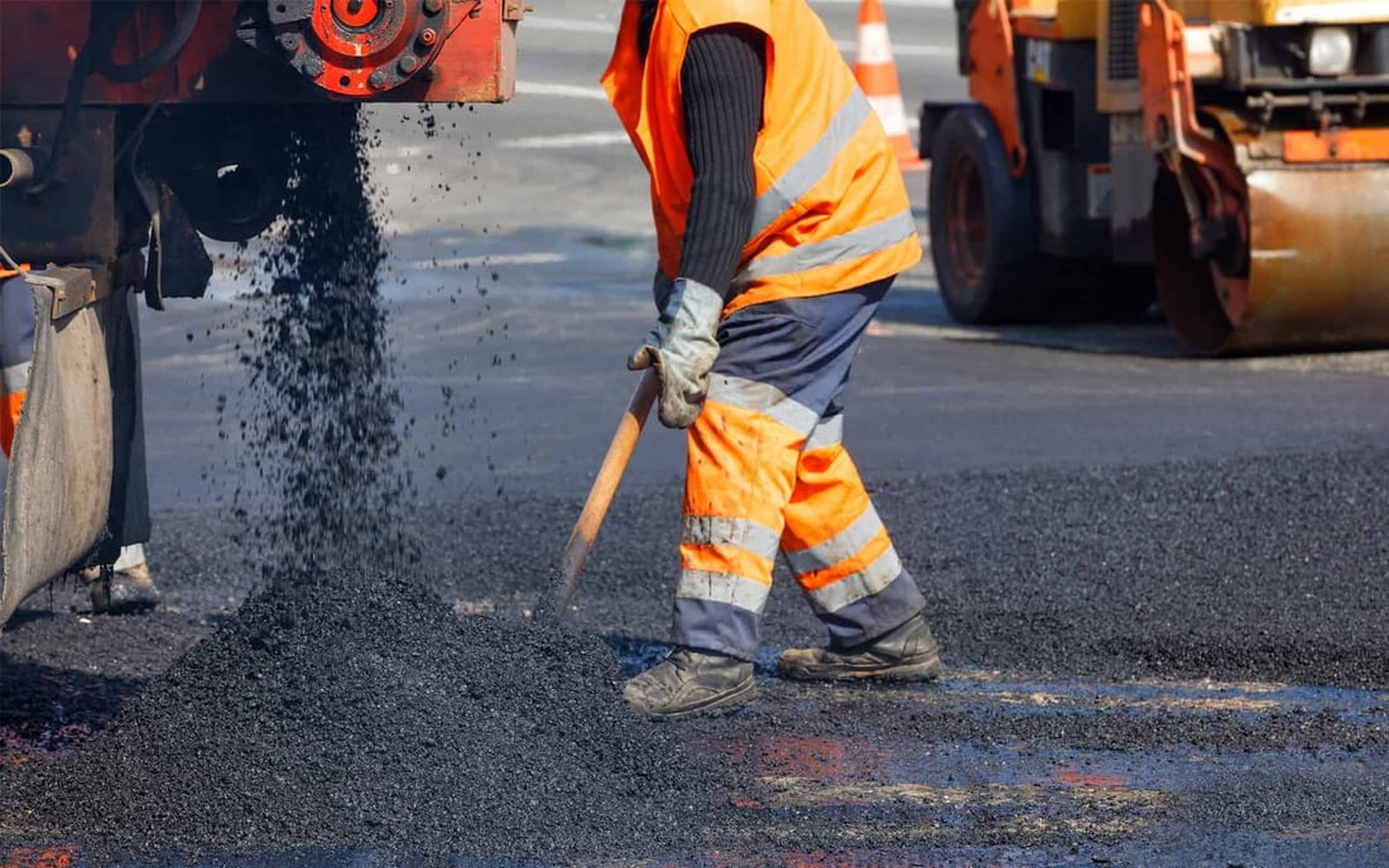
Also explore used equipment financing options and our information on refinancing for concrete and paving contractors if that matches your business.
These are the underwriting points the desk uses to turn the taxonomy page content into a real cash-out structure.
Equipment location, current payoff, lien status, value support, and how the asset is used in the business.
$50. The available cash is based on verified value minus the existing payoff.
Two weeks.
Some Austin contractors use Equipment Sale-Leaseback rather than a straight refinance.
Yes. Auction-purchased equipment with clear title is refinanceable. The acquisition price does not limit the current market value we use.
Working condition is ideal, but machines with known issues can still qualify at an adjusted advance rate. We want to know about issues upfront rather than find them in inspection.
Federal tax liens complicate title and can affect the transaction. This is a case-by-case conversation. Do not assume it is automatic, but do not assume it is impossible either.
We work with B and C credit. There is no stated minimum that we publicly publish. Equipment value and business cash flow both factor in. A low score does not automatically disqualify you.
Yes, and this is a common strategy. Recycling equity from older equipment to fund new purchases is a legitimate and practical use of the proceeds.
Send the machine, payoff, and target cash-out amount. We will review the file and come back with rate, term, payment, and net proceeds.
Tell us what you are buying, who is selling it, and when you need it earning. We will review the file and point you to the next step.