Collateral Reviewed
Vacuum Truck Refinancing value, payoff, age, hours or mileage, attachments, condition, and remaining useful life.

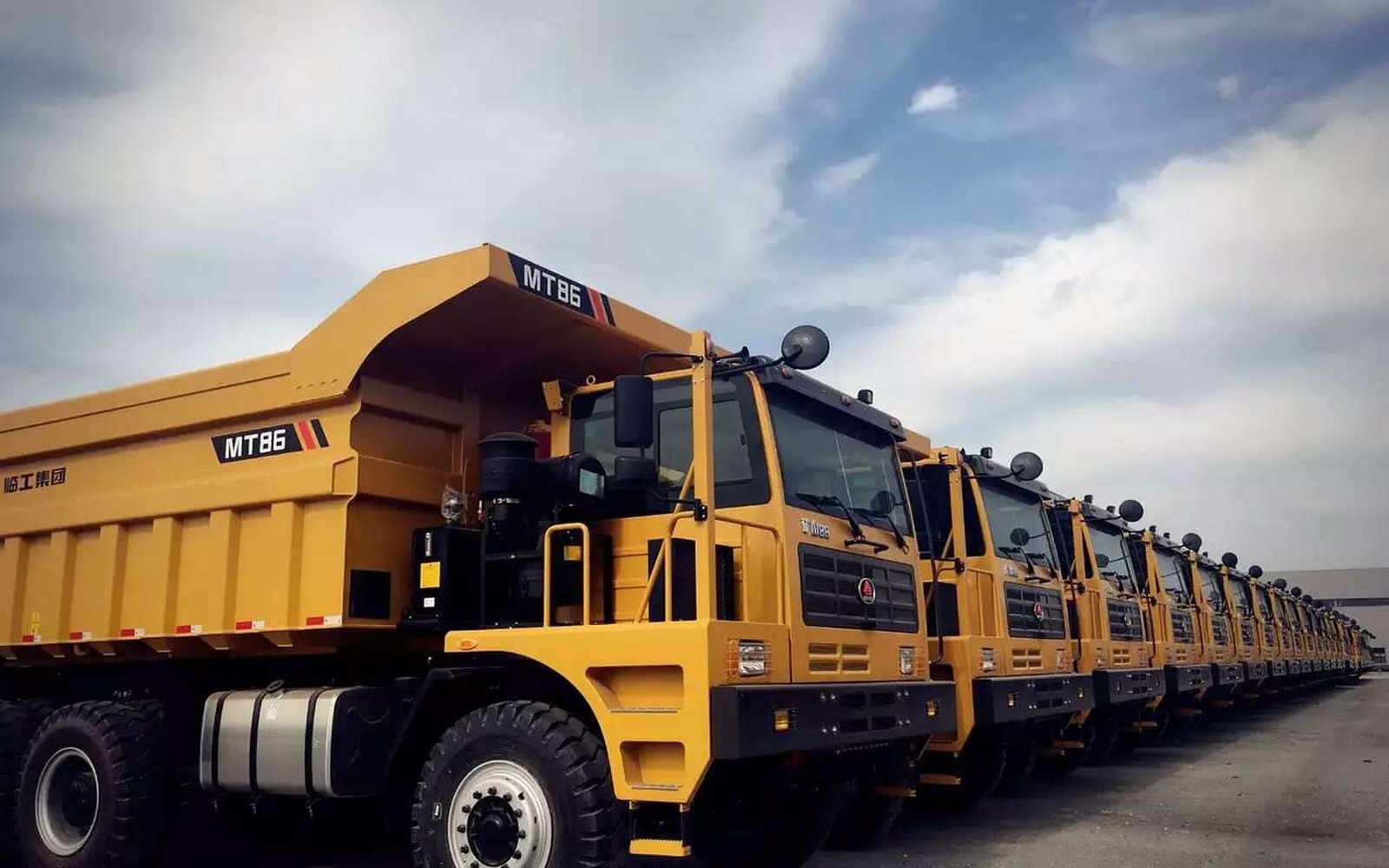
Vacuum trucks are working capital on wheels. An industrial vac truck or a hydro-excavation combo unit represents $300,000 to $700,000 in specialized equipment, and operators who have been making payments for two or three years have built real equity in that asset. That equity is not doing anything productive sitting in the truck. Refinancing converts it to cash you can deploy, or it restructures a high-rate original note into monthly payments your service margins can support.
We work with liquid waste haulers, industrial cleaning contractors, hydro-excavation specialists, and utility contractors who run vac trucks as the core of their operation. Cash-out equipment refinancing on vacuum trucks closes in one to two weeks on an application-only basis up to approximately $400,000. For higher-value hydro-excavation combo units, three months of business bank statements handles the larger transaction. Start with what your truck is worth and what you owe.
The vacuum truck category covers several distinct configurations with different secondary-market depths. Industrial vacuum trucks, sometimes called liquid-ring or positive-displacement vac trucks, are used for industrial cleaning, sewer maintenance, and liquid waste hauling. These units are common tools for municipalities and industrial plant operators and carry strong secondary market demand from the same buyer types.
Hydro-excavation trucks (also called hydroex, daylighting trucks, or combination units) carry premium values because they combine high-pressure water jets with vacuum recovery for non-destructive digging around buried utilities. The hydro-excavation market grew significantly as utilities expanded underground infrastructure, and the secondary demand for well-maintained combo units from established manufacturers reflects that growth. A Vactor 2100i or an ELGIN Pelican with documented service history appraises well above the base truck value.
Combination sewer cleaners used by municipalities and utility contractors for sewer jetting and vac recovery are a third type. These units are highly specialized, often built on heavy-duty cab-over or conventional truck chassis, and serve a defined market of municipal, county, and private utility operators. Lenders familiar with the municipal services equipment market are comfortable with these assets.
Tank capacity (typically measured in cubic yards or gallons depending on the unit type), blower specifications, and water pump pressure all factor into the appraisal alongside the base chassis condition. Operators who maintain detailed service records on both the vacuum system and the base truck chassis produce the strongest refinancing outcomes.
Hydro-excavation contractors who bought their first combo unit two or three years ago on dealer paper or through a specialty lender are a common applicant. The original deal may have been priced at a premium because the business was new or the lender had limited experience with the asset class. Once the business has demonstrated consistent revenue and built equity in the unit, refinancing into more competitive terms makes sense. B and C credit equipment financing is available for operators whose credit file reflects a startup phase rather than ongoing difficulty.
Industrial cleaning and liquid waste haulers serving petrochemical facilities, refineries, and manufacturing plants often own multiple vacuum trucks and bill against service contracts. These businesses generate consistent revenue that supports refinancing and cash-out transactions. Oil and gas services contractors who run vacuum trucks in basin operations sometimes have both high-value equipment and active refinancing needs driven by basin cycle economics. Markets like Houston, TX support active demand for industrial vac equipment.
Municipal contractors who purchased vacuum trucks for a specific municipal contract and now own the asset outright use refinancing for two reasons: to release working capital for the next contract bid and to restructure the payment to match contract revenue rather than the original purchase schedule. Sale-leaseback is particularly attractive for contractors who own their units free and clear after a multi-year contract cycle. Operators in construction and utility contracting frequently run vacuum trucks alongside other heavy equipment and use refinancing across their entire fleet.
A single vacuum truck refinancing on an application-only basis completes in roughly one to two weeks when documentation is clean. The application collects business information, the truck VIN, body/tank serial number, and current payoff. For larger transactions or cash-out amounts above the application-only threshold, three months of business bank statements is the additional requirement.
Lender valuation runs against both the base chassis and the specialized body/tank system. An experienced appraiser who knows industrial vacuum equipment values the system as a unit rather than chassis and body separately, which is critical because the integrated value is always higher than the sum of parts. Operators who can provide the original body purchase documentation alongside the chassis paperwork speed this step considerably.
Funding arrives within days of closing documents being executed. If there is an existing payoff, it is handled directly at close. If there is cash out, it arrives simultaneously. You do not wait for the old lender to release the lien before accessing your cash.
Tell us the truck type, tank capacity, and current payoff. We will match you with a lender who knows vacuum truck values and structures the deal around your service revenue. Equipment refinancing on specialized vehicles is not a stretch for our financing team. It is work we close regularly.
These are the underwriting points the desk uses to turn the taxonomy page content into a real cash-out structure.
Vacuum Truck Refinancing value, payoff, age, hours or mileage, attachments, condition, and remaining useful life.
$300,000. The available cash is based on verified value minus the existing payoff.
1-2 weeks.
Working capital, down payments, debt cleanup, slow-season coverage, and project mobilization.
Yes. Subcontract arrangements are common in the utility excavation space and do not disqualify the application. Bank statements showing consistent incoming payments from the general contractor are the revenue documentation. The truck is the collateral regardless of the billing structure.
An experienced appraiser evaluates the body and chassis separately but reports a combined value. A newer body on an older chassis typically results in a blended value that gives appropriate credit for the body's condition and remaining useful life. The combination often appraises higher than the chassis age alone would suggest.
Both are acceptable. Municipal contracts provide stability and predictability that lenders appreciate. Industrial service accounts on recurring service agreements are similarly valued. The lender is looking for consistent revenue that supports the new payment obligation, not a specific client type.
You can use the cash from a cash-out refinance for any business purpose. Purchasing a second truck, funding a down payment, covering insurance and licensing, or building a maintenance reserve are all legitimate uses. The lender does not restrict how you deploy the cash-out proceeds.
An active out-of-service order is a complication because it affects the truck's operational status, which matters to the lender's collateral assessment. Resolving the OOS order before applying is the cleanest path. If the violation is minor and already scheduled for correction, flagging it upfront with the lender lets them assess the situation rather than discovering it during underwriting.
Send the machine, payoff, and target cash-out amount. We will review the file and come back with rate, term, payment, and net proceeds.
Tell us what you are buying, who is selling it, and when you need it earning. We will review the file and point you to the next step.