Collateral Reviewed
Telehandler Refinancing value, payoff, age, hours or mileage, attachments, condition, and remaining useful life.

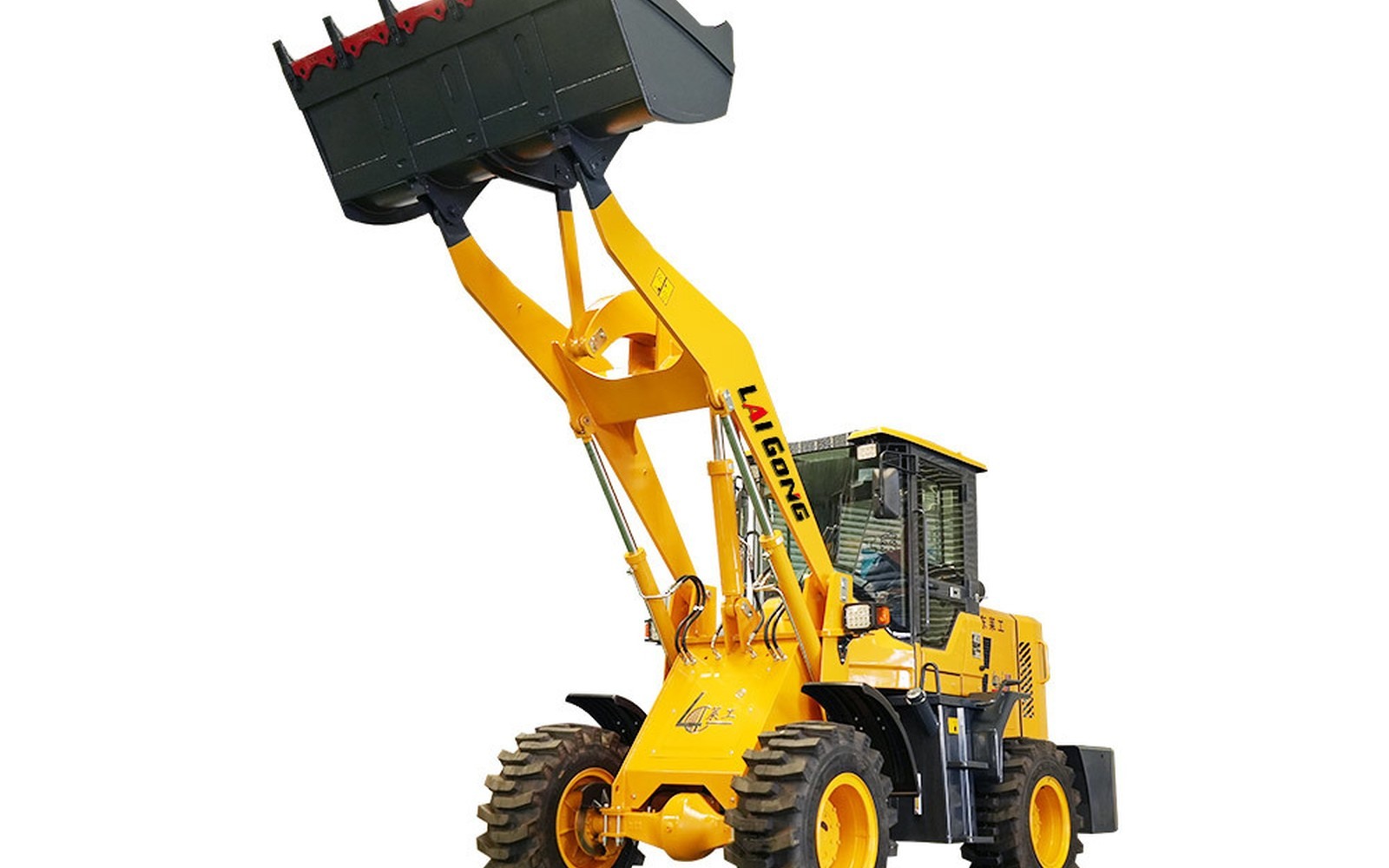
Telehandlers run nearly every construction site that lifts and places material. The machine that places a bundle of shingles on a roof, spots a beam on a steel project, or moves pallets across a muddy lot is earning every day it runs. Operators who own those machines rather than renting them have built equity over the payment history, and that equity is the starting point for a cash-out refinance.
We refinance telehandlers across the reach spectrum: compact units in the 18-foot to 30-foot class, mid-range machines in the 40-foot to 55-foot class, and large rotating telehandlers in the 60-foot-plus range. The structure does not change with the machine class. We evaluate the asset, size the equity, clear any existing lien, and fund the difference to your account.
Telehandlers are versatile machines with a broad buyer pool, which makes the secondary market healthy and lender advance rates relatively strong. The appraisal considers both the base machine and the attachment suite you have accumulated.
Primary valuation factors:
JCB telehandlers lead the global market and have strong U.S. secondary values. Caterpillar TH series, Case, and Volvo also refinance well.
Telehandler equity shows up across construction trades and the refinancing profile is as varied as the operator base.
Active construction markets in Denver, Austin, and Raleigh keep telehandlers busy year-round and sustain strong resale demand.
Two primary structures are available to extract value from a telehandler. A cash-out refinance replaces or supplements the existing loan, sending equity above the payoff to your account with the machine remaining titled in your name. An equipment sale-leaseback transfers title to the lender, who leases the machine back to you at a fixed monthly payment.
For telehandlers costing on the order of $80k to $200k, the refinance typically returns $50,000 to $160,000 in cash depending on the existing payoff and advance rate. The leaseback of the same machine returns more capital because the advance is against the full value rather than equity above a loan. The monthly payment under the leaseback is the trade-off: you are paying to use an asset you transferred to the lender.
For contractors with a strong attachment to clean machine ownership, the refinance is the clear choice. For contractors who need maximum liquidity and are comfortable with the lease accounting, the leaseback is worth modeling. We provide both numbers.
Telehandler refinancing moves at the same pace as other single-machine equipment transactions. Most deals close in one to two weeks from a complete package. The standard submission includes:
Transactions under roughly $400,000 run on the application-only financing track, keeping the document burden light. Most single-telehandler refinances stay comfortably within that threshold.
The most common delay is missing attachment documentation. Operators who have accumulated attachments over multiple years sometimes do not know the part numbers or what they own. Spend 20 minutes before the application inventorying your attachment set. That effort typically saves more time later.
These are the underwriting points the desk uses to turn the taxonomy page content into a real cash-out structure.
Telehandler Refinancing value, payoff, age, hours or mileage, attachments, condition, and remaining useful life.
$80. The available cash is based on verified value minus the existing payoff.
One to two weeks.
Telehandler equity shows up across construction trades and the refinancing profile is as varied as the operator base.
Not necessarily. A 2017 telehandler with 3,800 hours has averaged under 500 hours per year, which is moderate use for the class. Condition and maintenance records matter as much as the hour count. A well-maintained machine at those hours typically still carries meaningful equity.
Rotating configurations are actually a positive in the appraisal because they expand the machine's utility and resale appeal. Include the rotating turret or headstock in the asset description with its ton-meter rating. This information helps the lender value the machine accurately.
Yes. The machine does not need to be at your home base. We document the site location and confirm operational control is yours. The lender files a UCC lien by serial number, not by physical location. Interstate job sites are common in construction and are not a complication.
Yes. Cash proceeds from a refinance are unrestricted. Equipment purchases, working capital, payroll, bond deposits, or any business need are all accepted uses. You do not need lender approval for how you deploy the capital after closing.
Attachments purchased separately add to the package value if they are included in the transaction. They need to be documented with purchase records, part numbers, and condition notes. The lender values the full package, so a complete inventory of what you own increases the total advance.
Machine details, current payoff, and a short application get the process moving. We evaluate the equipment, quote the advance, and send a term sheet. No obligation until you sign. Funding in about two weeks from approval. Tell us what you have and what you need the capital to do.
Tell us what you are buying, who is selling it, and when you need it earning. We will review the file and point you to the next step.