Collateral Reviewed
Case Equipment Refinancing equipment value, model mix, payoff, serial information, hours or mileage, and dealer or auction support.

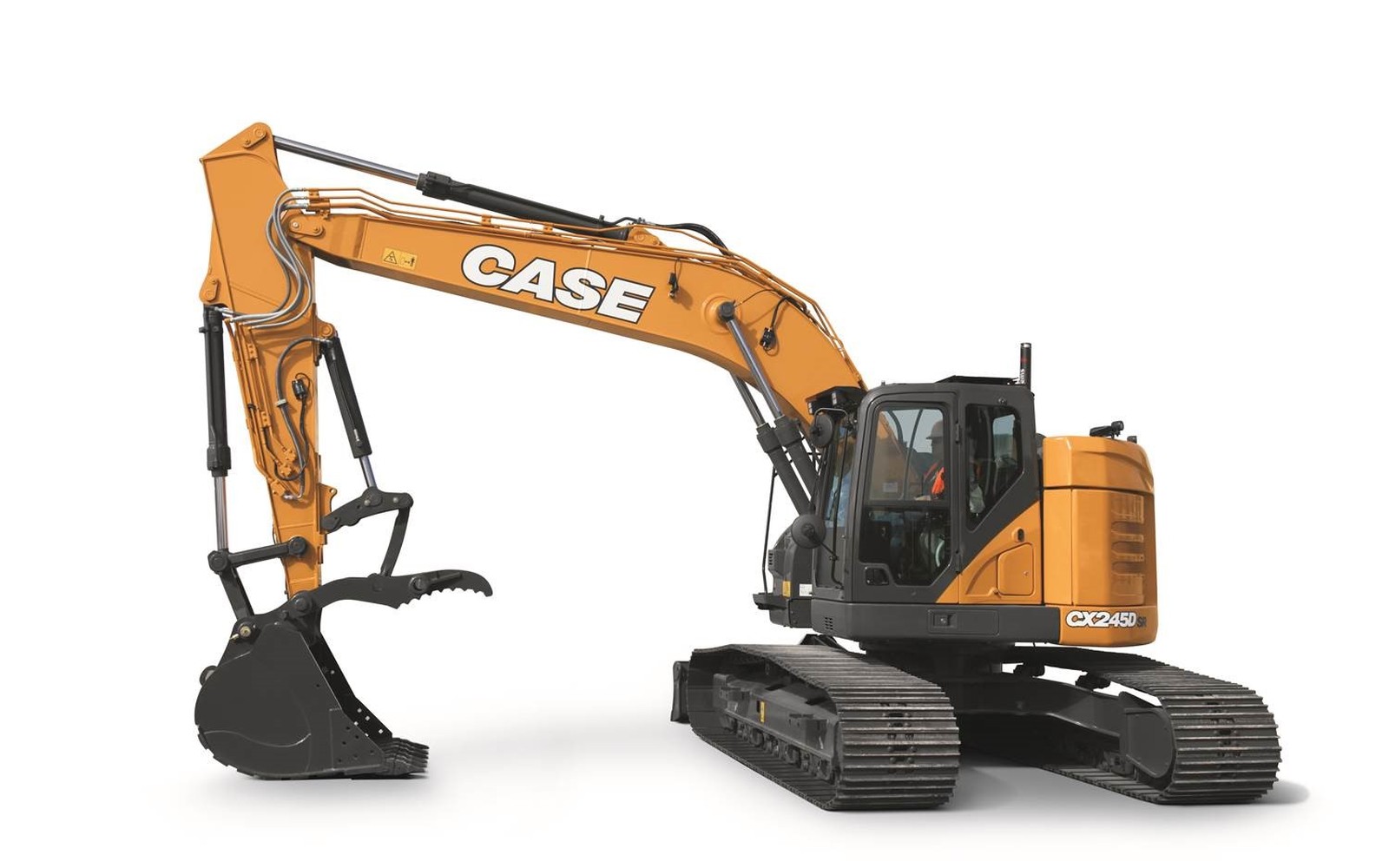
Equity in a Case machine is money sitting idle. A paid-off CX210 excavator, a Case backhoe loader that is owned free and clear, a dozer carrying a lien well below current market value, all of these represent capital you can access without selling the machine. We convert that equity into cash in your account, usually within two weeks of application.
Case Construction Equipment has a long dealer presence and strong secondary market across North America. That market liquidity makes Case iron reliable collateral for lenders, and reliable collateral means better advance rates for you. Whether your Case equipment is working a utility trench in the Southwest or pushing material on a highway project in the Midwest, we can structure a refinance around what the machine is actually worth today.
The relationship between Case Construction Equipment and the broader CNH Industrial network also matters in a practical sense for refinancing. Parts supply, dealer longevity, and service infrastructure are factors lenders consider when evaluating how quickly a machine can be liquidated and at what price. Case's position within CNH gives it a support structure that smaller or less established brands lack. That structural advantage translates into lender comfort, and lender comfort translates into better advance rates for you when you bring Case iron to a refinance transaction. We regularly place equipment refinancing transactions on Case construction equipment across the country, working with lenders who understand the brand and the secondary market well enough to appraise and advance at rates that reflect the real collateral quality rather than a generic discount. Operators in markets like Houston, Phoenix, and Chicago where Case has strong dealer coverage find that local secondary market depth supports competitive advance rates on their Case machines.
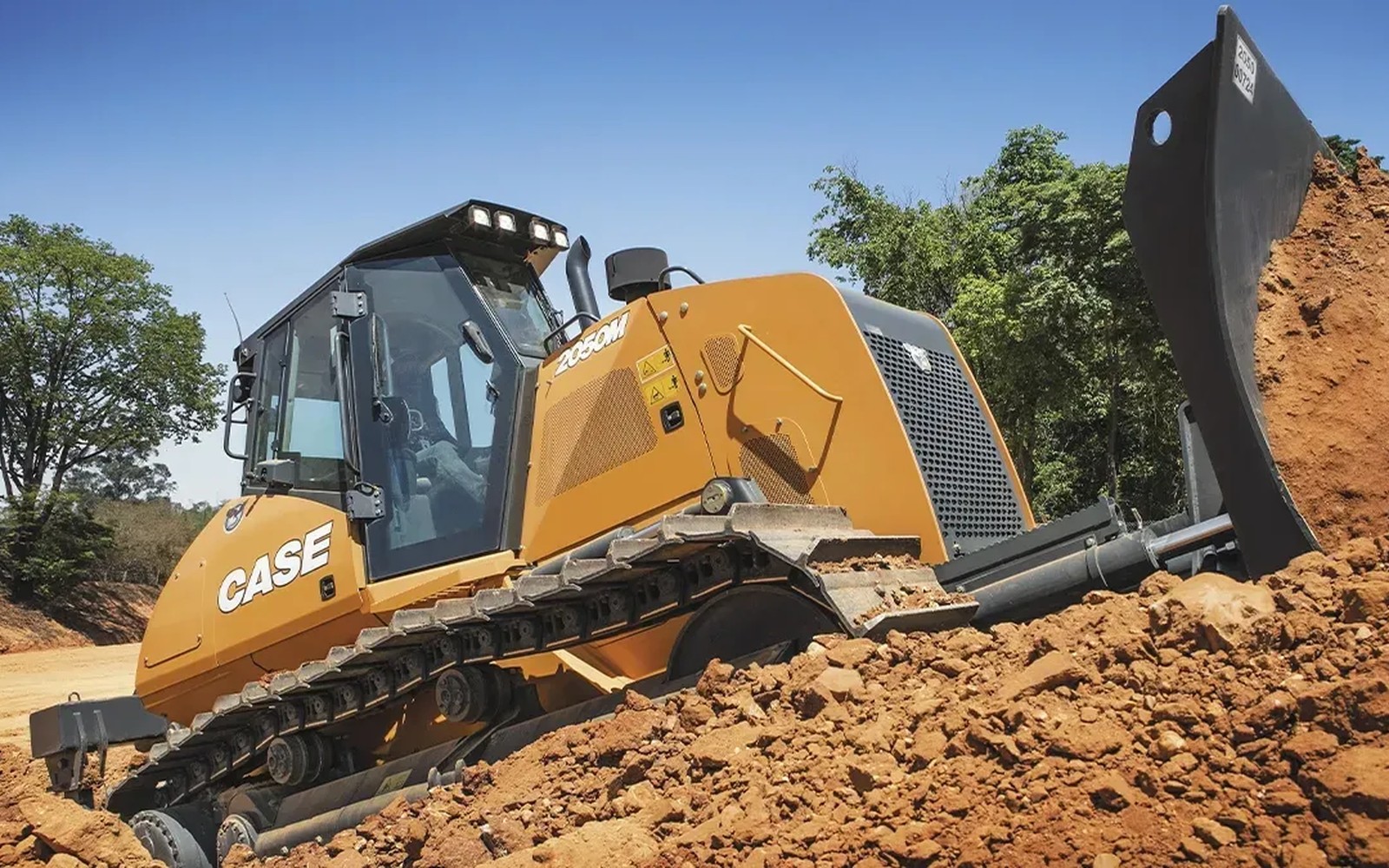
Case's construction equipment line covers excavators, backhoe loaders, dozers, skid steers, and compactors. The primary models that drive refinance transactions in our portfolio involve the excavator and backhoe categories:
Case backhoe loaders, historically one of the brand's signature products, also carry good secondary demand. Contractors who have been running Case iron for years often hold multiple machines in various states of lien, and pooling them for a blanket refinance structure is a viable option.
One practical advantage of Case equipment: dealer coverage is strong enough that lenders are comfortable with the collateral across most U.S. markets. You do not need to be near a major metro for Case iron to qualify.
Case's skid steer and compact track loader line also carries refinancing potential, particularly for operators who run these machines in landscaping, site development, and light construction applications. A fleet of paid Case compact machines may not individually meet the $50,000 minimum, but grouped together they typically do. The compact equipment category has broad buyer demand that makes it relatively liquid collateral. Case compact equipment refinancing operates on the same principles as the larger machine categories but with shorter terms and smaller individual advances. For operators who own several Case compact machines and want to access combined equity without selling any of them, a pooled refinance covering all units is the right approach.
The core requirement is equity. Equity means the current market value of the machine exceeds the existing lien balance by enough to make a transaction worth structuring. Free-and-clear machines have the simplest path: the full advance amount is available as cash. Machines with existing liens require us to pay off the current note first, with the remainder going to you.
Age matters but not in a binary way. A well-maintained Case excavator from the early 2010s can still carry borrowing power if the secondary market for that model is healthy. We look at actual market comparables rather than applying a fixed depreciation formula. What is the machine selling for today? That is the number that drives the transaction.
Credit is reviewed but the asset drives most decisions here. Bad credit equipment financing is possible when the collateral position is strong. A machine worth significantly more than the requested advance provides a cushion that lets us work with credit situations that a traditional bank would decline.
Beyond a standard cash-out refinance, Case equipment owners use two other structures frequently:
An equipment sale-leaseback is the highest cash-out option. The finance company buys the machine at full liquidation value and leases it back to you immediately. You stay in the seat. You get a larger check than a standard refi typically produces. The tradeoff is ownership transfer and monthly lease payments replacing ownership equity accumulation.
Debt consolidation using equipment refinancing lets you collapse multiple Case equipment notes into a single payment at a new rate. If you are carrying three separate Case machine loans from three different lenders, consolidating into one note simplifies your payment structure and may lower your total monthly obligation.
Both options sit alongside the standard cash-out refinance and are worth modeling in parallel before choosing a structure.
Excavation and site-work contractors running Case iron are the most common profile. A contractor who bought a CX210 a few years back, paid it down aggressively, and now owns it outright has an asset that can fund the next phase of growth without waiting for a bank committee to approve a new loan. Speed and simplicity matter in this business, and a Case refinance is faster than most traditional lending options.
Utility contractors and pipeline operators who use Case dozers and excavators in confined or specialized applications also fit this program. Case's equipment is common in underground utility work, and contractors in that space often carry machines with significant equity.
Minimum deal size is $50,000. Most Case refinance transactions we process are costing on the order of $75k to $300k. B and C credit are considered. Personal guaranty is required for business entities.
Operators who work in utility infrastructure, particularly those doing underground work for telecommunications, electrical, and water utility projects, frequently run Case excavators and backhoe loaders. These operators often carry machines that have been in service for five or more years and are owned free and clear. The machines have been paid off through consistent project revenue, and the equity sits unused while the business continues to bid new projects. A Case refinance converts that idle equity into bid capital, mobilization funds, or simply operating cash that smooths out the gap between project completion and invoice payment. The construction payment cycle is notoriously slow, and equipment equity is one of the few tools an operator can tap quickly without waiting for an invoice to clear. Contractors in road and highway construction who run Case equipment on state and federal projects also benefit from this approach, using paid Case iron to fund mobilization deposits on new highway contracts.
Operators who work in utility infrastructure, particularly those doing underground work for telecommunications, electrical, and water utility projects, frequently run Case excavators and backhoe loaders. These operators often carry machines that have been in service for five or more years and are owned free and clear. The machines have been paid off through consistent project revenue, and the equity sits unused while the business continues to bid new projects. A Case refinance converts that idle equity into bid capital, mobilization funds, or simply operating cash that smooths out the gap between project completion and invoice payment. The construction payment cycle is notoriously slow, and equipment equity is one of the few tools an operator can tap quickly without waiting for an invoice to clear. Contractors in road and highway construction who run Case equipment on state and federal projects also benefit from this approach, using paid Case iron to fund mobilization deposits on new highway contracts.
These are the underwriting points the desk uses to turn the taxonomy page content into a real cash-out structure.
Case Equipment Refinancing equipment value, model mix, payoff, serial information, hours or mileage, and dealer or auction support.
$50. The available cash is based on verified value minus the existing payoff.
Two weeks.
Excavation and site-work contractors running Case iron are the most common profile.
Yes. We pay off the existing note as part of the transaction and advance you the difference between the payoff and the appraised value. As long as there is equity above the payoff, we can structure a cash-out deal.
Age alone does not disqualify a machine. We look at current market value. An eight-year-old Case dozer that has been maintained and has strong secondary demand can still carry a meaningful advance. We evaluate each machine on its merits.
Yes. Blanket refinance structures covering multiple pieces of Case equipment are available. The advance is based on the combined equity position across the fleet, and you make a single payment covering all machines.
No. You do not need to hire an appraiser before applying. We handle valuation as part of the process using market data and, for larger transactions, a formal appraisal ordered on our end.
No, they are separate product lines and separate refinance programs. Case IH covers agricultural equipment like tractors and combines and is handled separately. If you have Case IH farm equipment, that goes through our agriculture program.
Give us the model, year, hours, and current lien. We come back with a realistic equity range and a rate in about one business day. No cost, no obligation.
Tell us what you are buying, who is selling it, and when you need it earning. We will review the file and point you to the next step.