Collateral Reviewed
Caterpillar 259D Compact Track Loader Refinancing value, serial, configuration, hours or mileage, payoff, and comparable sales.

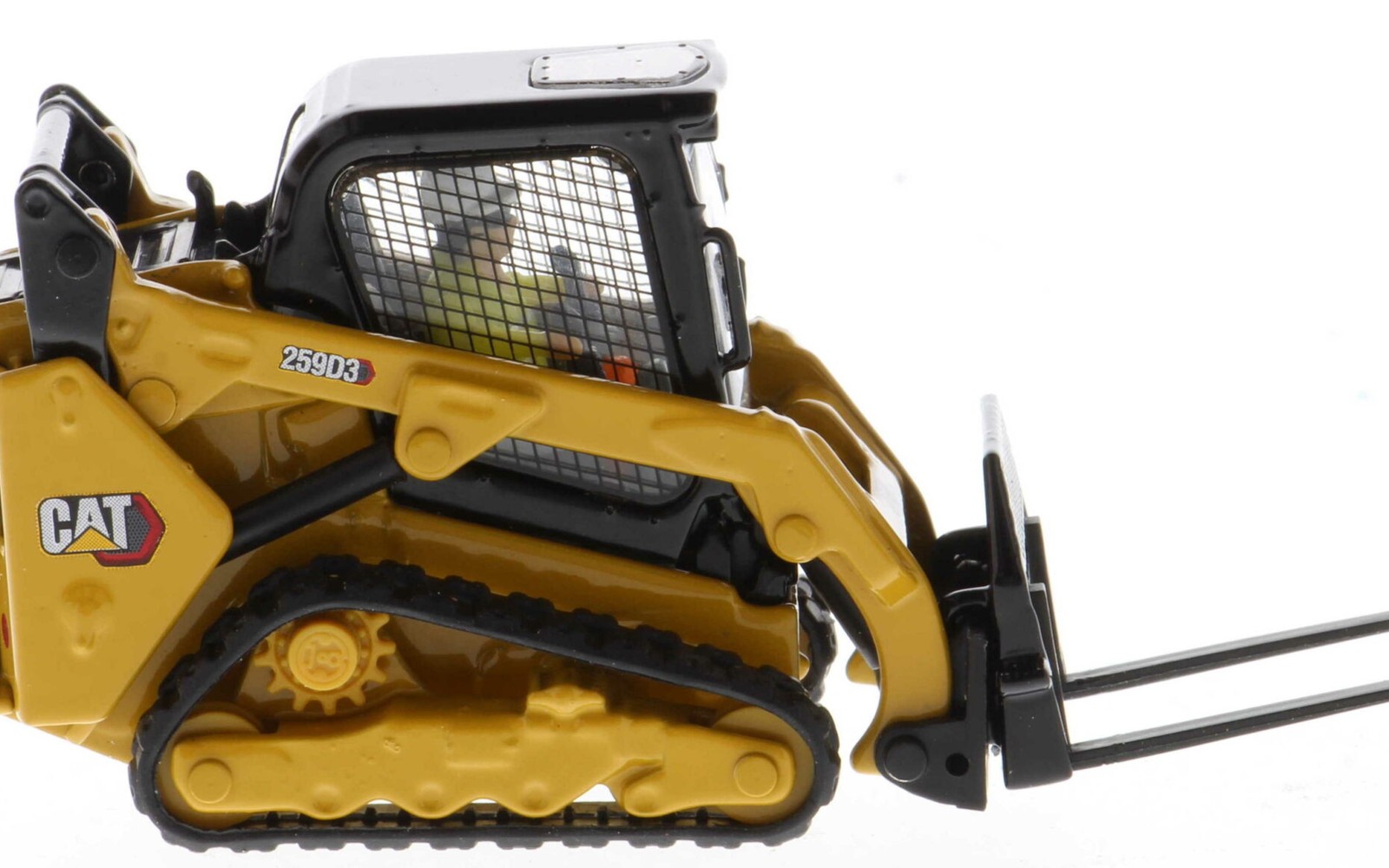
Compact track loaders punch above their weight as refinancing collateral. The Cat 259D is not the biggest machine in any fleet, but in a landscape of high prices and tight equipment inventory, these units hold residual value that often surprises owners who have not checked comps recently. If you paid down your 259D or own it free and clear, there is likely cash available today without selling it or parking it.
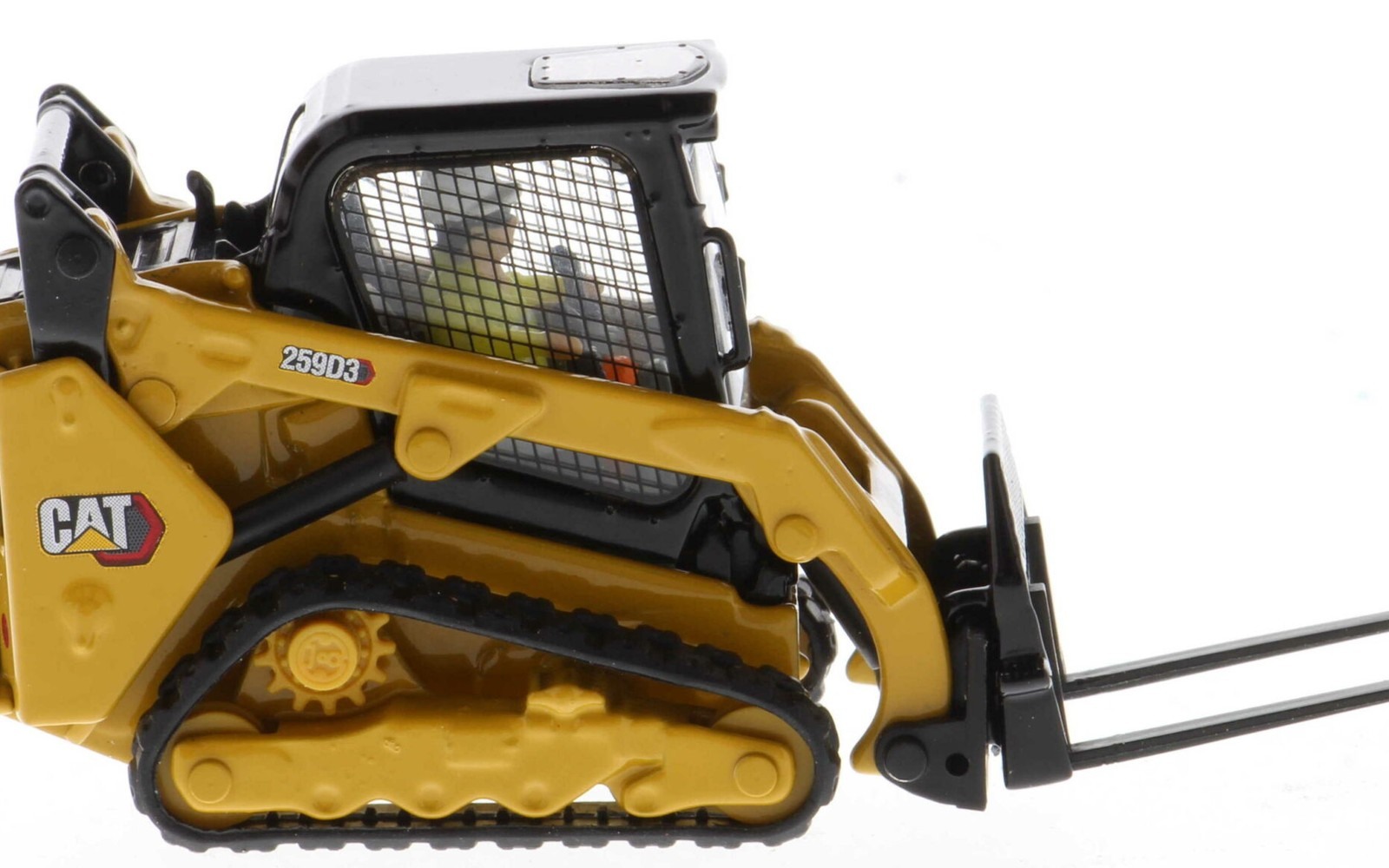
The 259D is a rubber-tracked skid steer platform designed for soft-soil and sensitive-surface work where wheeled loaders would sink or scar the ground. It runs a two-speed drive, a vertical lift path for pallet work and loading, and fits into confined job sites that larger equipment cannot access. Landscapers, utility contractors, and tight-site construction crews run these units constantly. The combination of utility and portability keeps demand in the used market steady, which supports value and makes refinancing workable.
We handle compact track loader refinancing across makes and models. The 259D, being well-supported in the Cat dealer network, is one of the more straightforward machines to get through underwriting. Submit your machine details and let us tell you what it qualifies for.
Landscaping and site prep contractors who bought a 259D used two to four years ago and have paid it down consistently. The secondary market has kept these machines at prices well above where they were several years back, which means payoff-to-value ratios are favorable in many cases.
Utility contractors doing work in construction and site prep where the 259D handles material movement, backfill, and finish grading. If the machine is core to your operation and well-maintained, the equity in it is accessible capital.
Small fleet operators who own two or three compact track loaders and want to pull equity on one to fund expansion or cover a slow billing period. Even at the smaller deal sizes that compact loaders represent, the cash can matter significantly for a business operating at that scale.
Operators in landscaping and tree service businesses who use the 259D for site cleanup, grading, and mulch and soil movement. These units stay busy in that sector and hold value accordingly.
Compact track loaders in general, and the 259D specifically, need to meet a minimum deal size. We work on transactions starting at $50,000. A 259D in decent condition typically qualifies on value, particularly for models from recent years.
Track condition matters, similar to undercarriage on a larger machine. Worn rubber tracks reduce the appraised value and therefore the available equity. If you have recently replaced tracks, mention it. It affects what we can offer.
Credit is a factor but not an absolute bar. B and C credit is something we work with. The machine's value and your business cash flow tell part of the story that a score cannot. We look at the whole picture.
If the deal is below $50,000, a refinance may not be the right tool. In that case, we can discuss other options and direct you toward what makes sense for the deal size.
You provide the machine details: year, hours, serial number, and your current payoff if one exists. We determine current market value using auction data and dealer comps. We structure a loan against that value, pay off any existing lien, and send you the remaining equity.
For a 259D, the documentation package is typically light. A credit application and three months of business bank statements cover most deals at this machine's price point. Application-only processing means faster turnaround and less paperwork than a full bank submission.
The funding timeline for straightforward compact loader deals is often at the faster end of the one to two week range. There is less complexity in the transaction, fewer parties to coordinate, and the machine is easier to value than a large bespoke piece of iron.
Consider also whether a cash-out refinance or a Equipment Sale-Leaseback fits your situation. For a smaller machine like the 259D, the total cash available may be similar under either structure. We walk through both options quickly when you reach out.
Compact iron with good residual is real collateral. Get a quick read on your options without commitment. Submit the machine info and we will come back with numbers.
Also see Caterpillar equipment refinancing for the full Cat fleet and equipment refinancing if you want an overview of how these transactions work.
These are the underwriting points the desk uses to turn the taxonomy page content into a real cash-out structure.
Caterpillar 259D Compact Track Loader Refinancing value, serial, configuration, hours or mileage, payoff, and comparable sales.
$50,000. The available cash is based on verified value minus the existing payoff.
Same-day desk review once equipment, payoff, and bank statements are in.
Working capital, down payments, debt cleanup, slow-season coverage, and project mobilization.
Potentially yes. Three-year-old Cat compact track loaders have held value well in recent used equipment markets. At 3,200 hours the machine is not worn out and likely appraises at a level that supports a deal. Submit the details and we will check current comps.
We work with single machines at the compact track loader level as long as the deal meets the minimum size threshold of $50,000. Many 259D deals qualify on value.
It depends on how worn and what the cost of replacement would be versus the impact on appraised value. In some cases, the value increase from new tracks outweighs the cost. In others, the math does not work out. We can give you a read on the numbers before you spend the money.
Yes. Cash from a refinance or cash-out has no restrictions on use. Applying it toward a larger equipment purchase, a down payment, or any other business need is entirely your call.
Personal title is a factor in the deal structure but not a deal-killer. Many owner-operators title equipment personally. We work through the specifics of the filing and documentation on a case-by-case basis.
Send the machine, payoff, and target cash-out amount. We will review the file and come back with rate, term, payment, and net proceeds.
Tell us what you are buying, who is selling it, and when you need it earning. We will review the file and point you to the next step.