Collateral Reviewed
Frac Equipment Refinancing value, payoff, age, hours or mileage, attachments, condition, and remaining useful life.

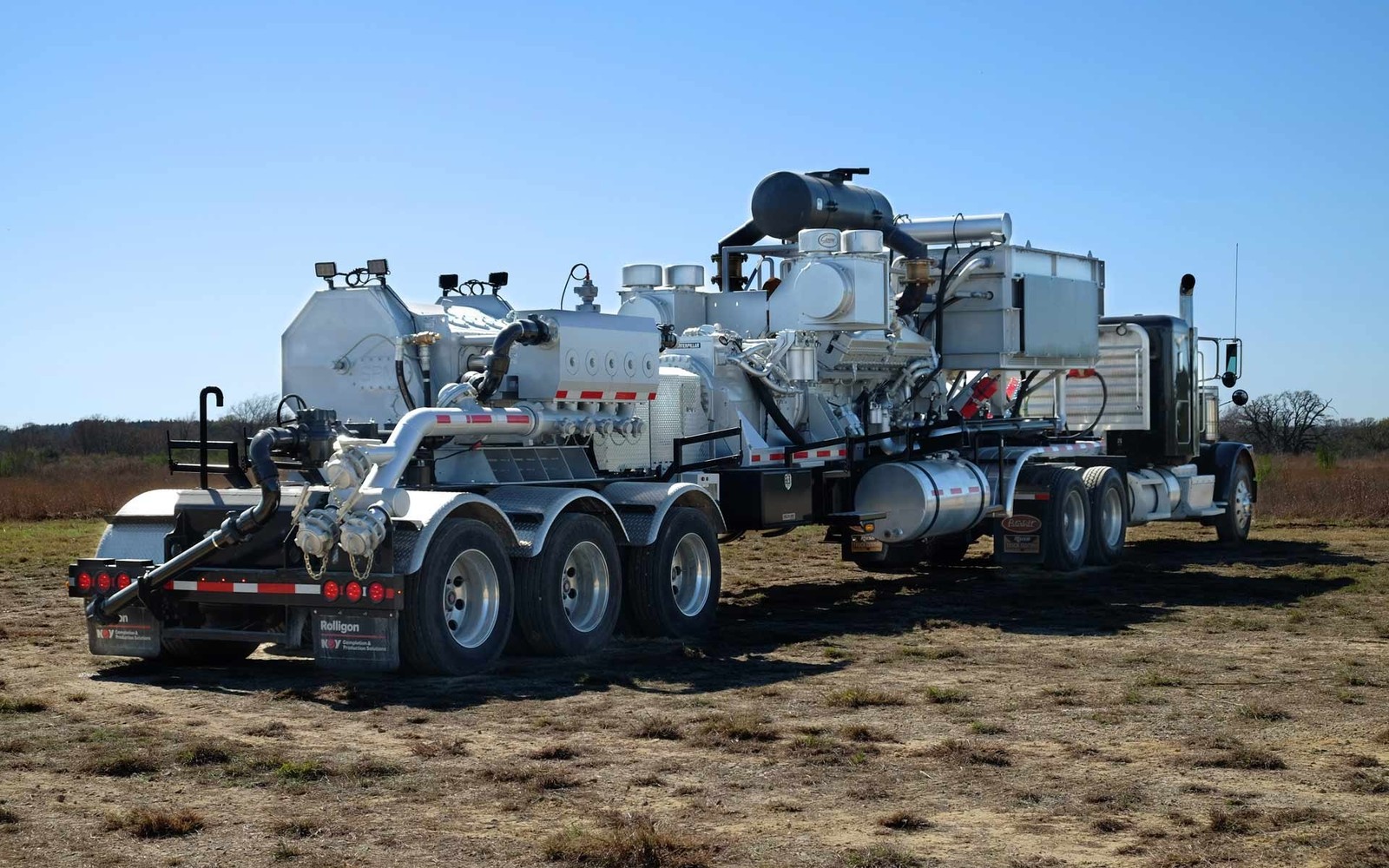
Frac spreads represent some of the largest single-event capital deployments in oilfield services. A pressure pumping truck, a frac blender, or a full pump unit designed for a Caterpillar or Cummins prime mover is a substantial asset, and the equity that accumulates over two or three years of basin utilization is real capital that can be accessed without liquidating the equipment. Refinancing puts that equity to work in your business rather than leaving it idle in an asset that is already generating revenue.
We work with pressure pumping contractors, independent frac service companies, and well-completion spreads from small operators running single frac pumps to mid-size fleets. Cash-out equipment refinancing on frac equipment follows the same framework as other oilfield iron: application-only up to approximately $400,000 for smaller units, with three months of business bank statements added for larger pump packages. The process closes in one to two weeks on a clean deal. These are the largest tickets we handle, and our financing team has specific appetite for pressure pumping collateral.
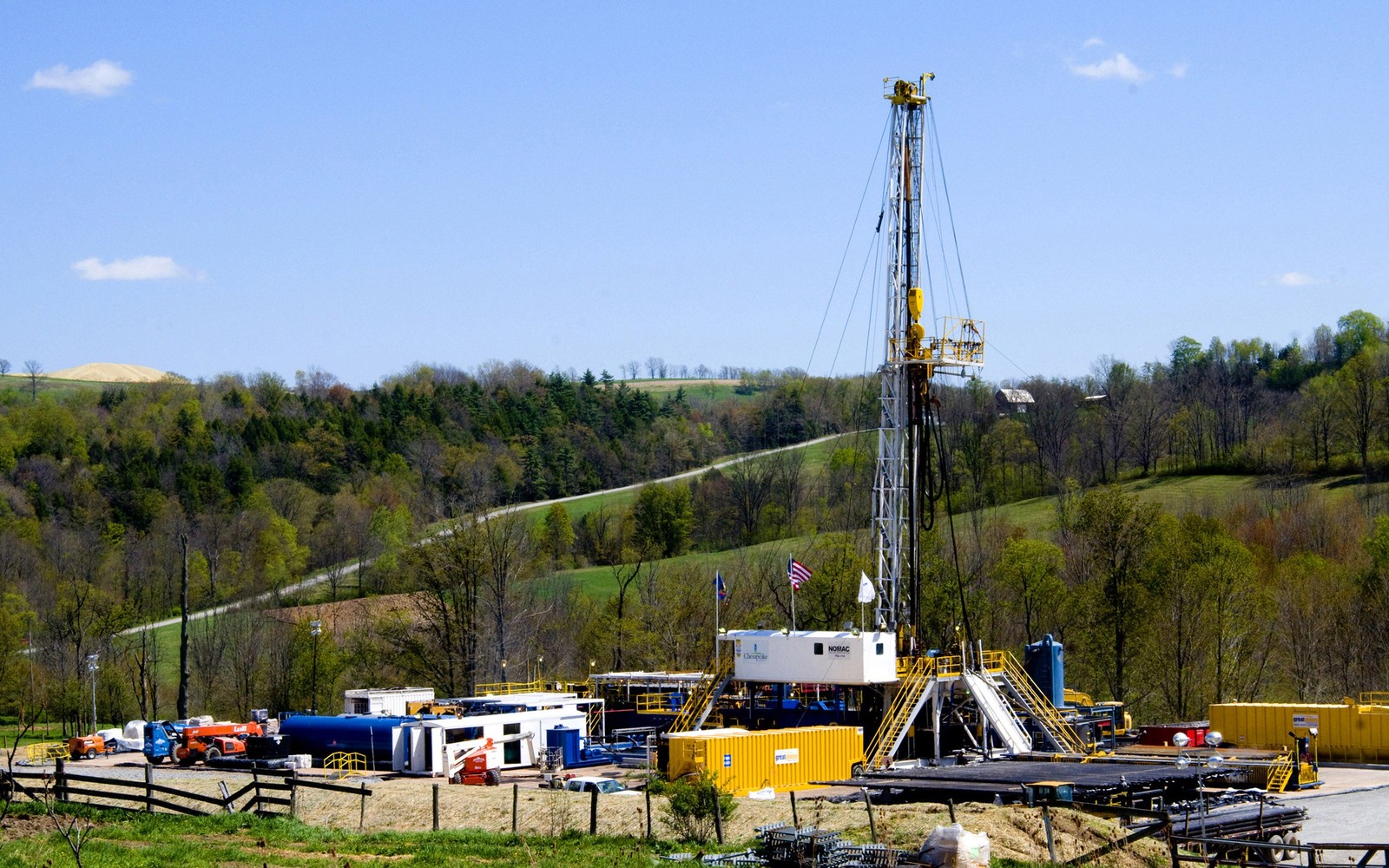
Pressure pumping equipment spans a wide range of configurations. A single-axle pump truck with a 1,500-horsepower Caterpillar engine and a duplex pump is a portable, deployable unit that carries real secondary-market value in any active basin. A quad-axle pump unit with 2,500 horsepower and a triplex pump configuration is a larger asset with proportionally higher value and a specific buyer pool of mid-size frac service providers.
Frac blenders, hydration units, and data vans are support equipment in a spread and carry their own independent values when titled separately. Blenders particularly hold value because they are required on every frac job regardless of the pumping configuration. A well-maintained blender on a road-ready chassis is a liquid secondary-market asset.
The horsepower and fluid-end condition are the two factors lenders weight most heavily after the chassis and carrier. High-pressure fluid ends wear and are consumable. A pump unit with documented fluid-end replacement history and new or near-new packing sets appraises above a comparable-horsepower unit with worn fluid ends that need immediate replacement. Operators who maintain their fluid ends proactively and document that maintenance protect their refinancing position significantly better than those who defer maintenance to the end of the job cycle.
Operators in oil and gas services who work in the Permian Basin around Midland, TX and Odessa, TX, or in the Eagle Ford south of San Antonio, TX, are in the most active pressure-pumping markets. Equipment working in these basins carries the highest secondary-market demand and the strongest refinancing position.
Pressure pumping capacity utilization follows completion activity closely. Basin activity peaks and troughs create natural refinancing windows. When completion activity moderates and day rates soften, refinancing to reduce the monthly payment protects margin without requiring you to stack equipment or cut crew. When the basin is running hot, refinancing to pull cash out finances additional equipment to capture the incremental day-rate opportunity.
Frac equipment bought during a supercycle peak at peak pricing often carries notes that were sized for peak margins. When the cycle moderates, those payments become the tightest fixed cost in the operating budget. The refinancing outcome in these situations is a payment reduction that directly stabilizes the business through the cycle's trough.
The secondary market for frac equipment is tied to basin activity in ways that vary by region. Permian-spec equipment (designed for the high-pressure, high-stage-count frac jobs common in Midland Basin and Delaware Basin completions) carries broader secondary demand than equipment specced for lower-pressure applications. If your equipment is Permian-capable, that specification is worth noting in the appraisal conversation.
Pressure pumping companies frequently carry complex balance sheets with multiple notes across a spread, seasonal revenue patterns, and credit histories shaped by basin cycles. B and C credit consideration is explicitly available for frac operators whose credit profile reflects oilfield cycle realities rather than management failures. The collateral quality and current utilization tell most of the story in a well-presented frac equipment refinancing application.
For application-only transactions under approximately $400,000, the file is a completed application, the pump truck or unit VIN, engine serial number, pump serial number, and current payoff amount. Larger pump packages add three months of bank statements showing day-rate revenue deposits. No tax returns required at that level. Operators who can present a current MSA or a written day-rate commitment from an E&P operator strengthen the application considerably, but the equipment and business bank statements are sufficient to start the process.
Tell us the horsepower rating, fluid end configuration, chassis year, and current payoff on your frac equipment. We will build the refinancing structure around what your iron is worth and what your business can support. Equipment refinancing on oilfield pressure pumping equipment is a transaction type our financing team handles with full knowledge of the basin market and what drives frac equipment values.
These are the underwriting points the desk uses to turn the taxonomy page content into a real cash-out structure.
Frac Equipment Refinancing value, payoff, age, hours or mileage, attachments, condition, and remaining useful life.
$400,000. The available cash is based on verified value minus the existing payoff.
One to two weeks.
Working capital, down payments, debt cleanup, slow-season coverage, and project mobilization.
Recent fluid-end replacement documented with invoices and service records significantly offsets the impact of high total pump hours. Lenders and appraisers understand that fluid ends are consumable service items and that a fresh fluid end restores the pump's near-term operational value. The documentation is what makes the difference in the appraisal.
Yes. The pump's physical location does not prevent refinancing. The lender takes a lien on the titled asset regardless of where it is operating. The appraisal may need to be conducted remotely using photos, maintenance records, and serial number verification if the appraiser cannot access the pad site, but that is a process accommodation, not a disqualifier.
Multi-unit frac equipment consolidation under a single lender is possible when the units are in similar condition and the combined advance supports a single note structure. A debt consolidation refinancing can simplify three monthly payments into one, potentially at a better overall rate. Present all three units together for the most efficient evaluation.
The transition toward dual-fuel and electric frac equipment is real, and the secondary market will reflect that transition over time. Diesel pump units remain the dominant fleet configuration in most basins and continue to have strong secondary demand in the current market. That may change at different rates in different basins, but today, a diesel frac pump in running condition is refinanceable.
Yes. Cash-out proceeds are unrestricted business capital. Using them as a down payment on a blender, to fund a fluid-end overhaul on another pump, or for any other operational purpose is a legitimate use with no restrictions from the lender on how you deploy the proceeds.
Send the machine, payoff, and target cash-out amount. We will review the file and come back with rate, term, payment, and net proceeds.
Tell us what you are buying, who is selling it, and when you need it earning. We will review the file and point you to the next step.