Collateral Reviewed
Trencher Refinancing value, payoff, age, hours or mileage, attachments, condition, and remaining useful life.

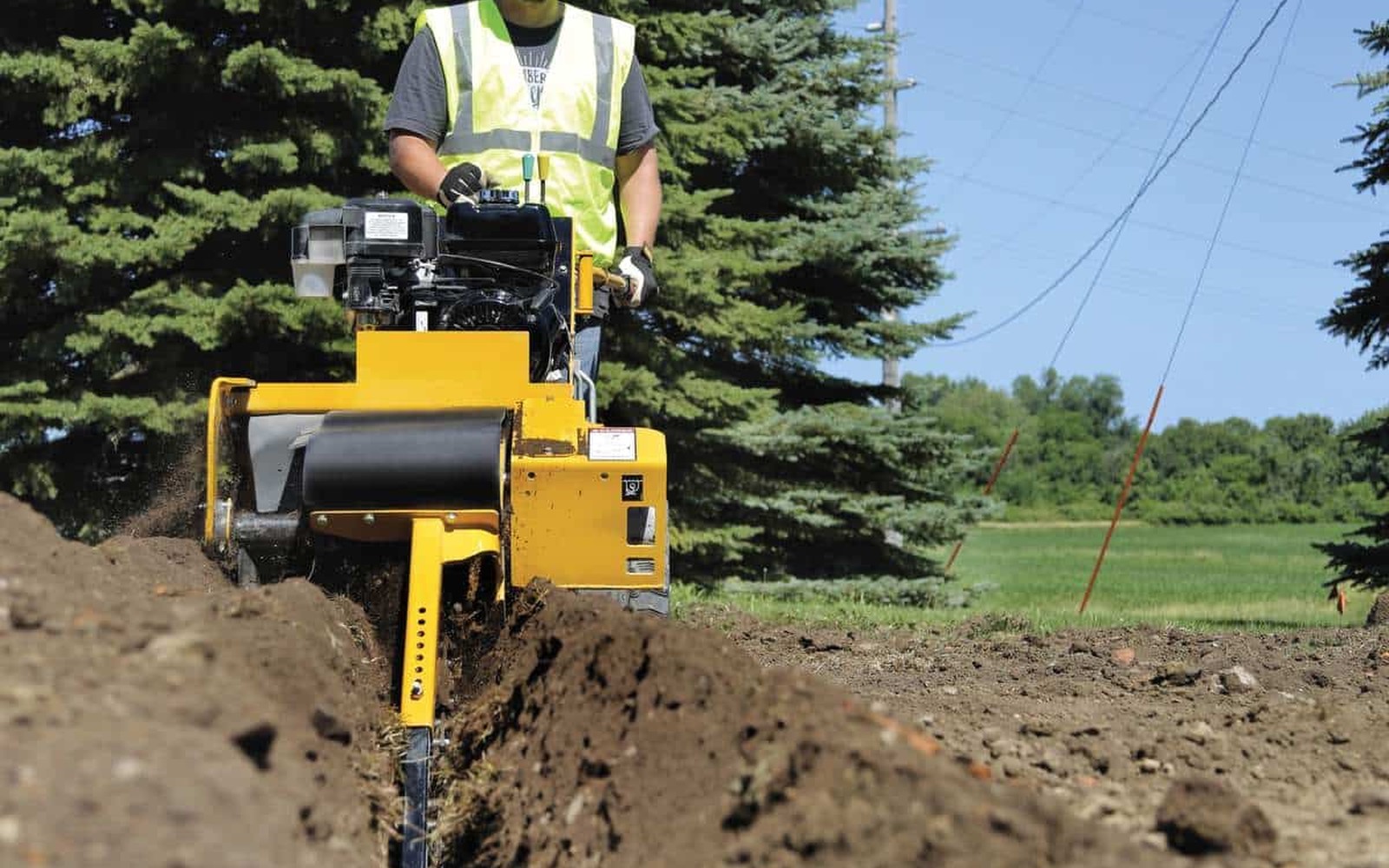
Trenchers are purpose-built machines that earn on every foot of cut. A contractor who owns their chain trencher or wheel trencher rather than renting has built equity over the note term, and that equity can become operating capital without the machine leaving the job site. Utility installation contractors, irrigation crews, and fiber optic installation teams all run trenchers as the primary earning asset, and the equity in those machines is the capital base we work with.
Trencher refinancing starts at $50,000 in transaction size, which covers mid-size ride-on chain trenchers and above. Compact walk-behind units typically do not reach the minimum individually and need to be bundled with other equipment. Large chain trenchers on crawler carriers costing on the order of $150k to $400k refinance cleanly on their own. We evaluate the machine and come back with a real advance number.
Trencher refinancing is most active among contractors with a specific role in underground utility installation. These contractors own their machines, run them consistently, and build equity that a refinance can unlock.
Active utility installation markets in Phoenix, Las Vegas, and Raleigh drive strong trencher demand and support used machine values.
Trencher appraisals focus on the cutting system and the carrier machine as a combined package. Both must be functional and documented.
Key valuation factors:
Contractors in the excavation and site work segment who run trenchers alongside compact track loaders and mini excavators often refinance the whole fleet in a single transaction.
Most trencher refinancing falls within the application-only financing threshold. The application plus three months of bank statements drive the decision without requiring tax returns for most single-machine or small-fleet transactions.
What to prepare:
Credit requirements are flexible. We extend credit consideration to B and C profile applicants. Utility contractors whose credit reflects a seasonal slowdown or a large project payment delay often qualify because the machine value and revenue history tell the real story. The B/C credit equipment financing track evaluates that full picture.
Trencher refinancing moves quickly because most transactions are single-machine, below the full-doc threshold, and involve machines with well-established used market values. The typical timeline from complete package to funded:
The one preparation step that shortens this the most: know your serial number before you apply. It is printed on the manufacturer's plate, usually on the machine frame or engine compartment. That number initiates the lien search immediately and takes two to three days off the timeline for machines that have a clean history.
These are the underwriting points the desk uses to turn the taxonomy page content into a real cash-out structure.
Trencher Refinancing value, payoff, age, hours or mileage, attachments, condition, and remaining useful life.
$50,000. The available cash is based on verified value minus the existing payoff.
Two weeks.
Trencher refinancing is most active among contractors with a specific role in underground utility installation.
Worn chain and sprockets are a deduction because they represent near-term maintenance cost. At 60 percent worn, the deduction is moderate, not disqualifying. If replacement is scheduled before the season ends, document that plan. If you would rather replace now, a fresh chain set documented with an invoice adds to the appraised value.
Yes. Rock wheel trenchers for conduit and utility installation in rocky terrain are supported in the used market, particularly in the Southwest and mountain states. Rock wheel condition is the primary additional appraisal factor. A worn carbide wheel array is a noted deduction; a fresh set is a positive.
Yes. A fleet refinance bundles multiple machines into one loan closing. The equity from both machines is combined, the liens on any existing notes are cleared, and the net proceeds go to your account. Doing them together simplifies the process compared to two separate applications.
Seasonal cash flow is a normal characteristic of utility installation and is well-understood by lenders in this space. Three months of bank statements from your active season is more meaningful than three months from winter. We can discuss which months to submit to present the most accurate picture of your business.
Yes. Equipment purchases, working capital, or any other business use is accepted for the equity proceeds. There is no restriction on how you deploy the capital after closing.
Tell us the machine make, model, chain configuration or rock wheel setup, current hours, and your existing payoff. We evaluate the equipment, size the equity, and put a real term sheet in front of you. Application is short, bank statements are three months, and most transactions fund in about two weeks. Start the quote today.
Tell us what you are buying, who is selling it, and when you need it earning. We will review the file and point you to the next step.