Collateral Reviewed
International LT Series Refinancing value, serial, configuration, hours or mileage, payoff, and comparable sales.

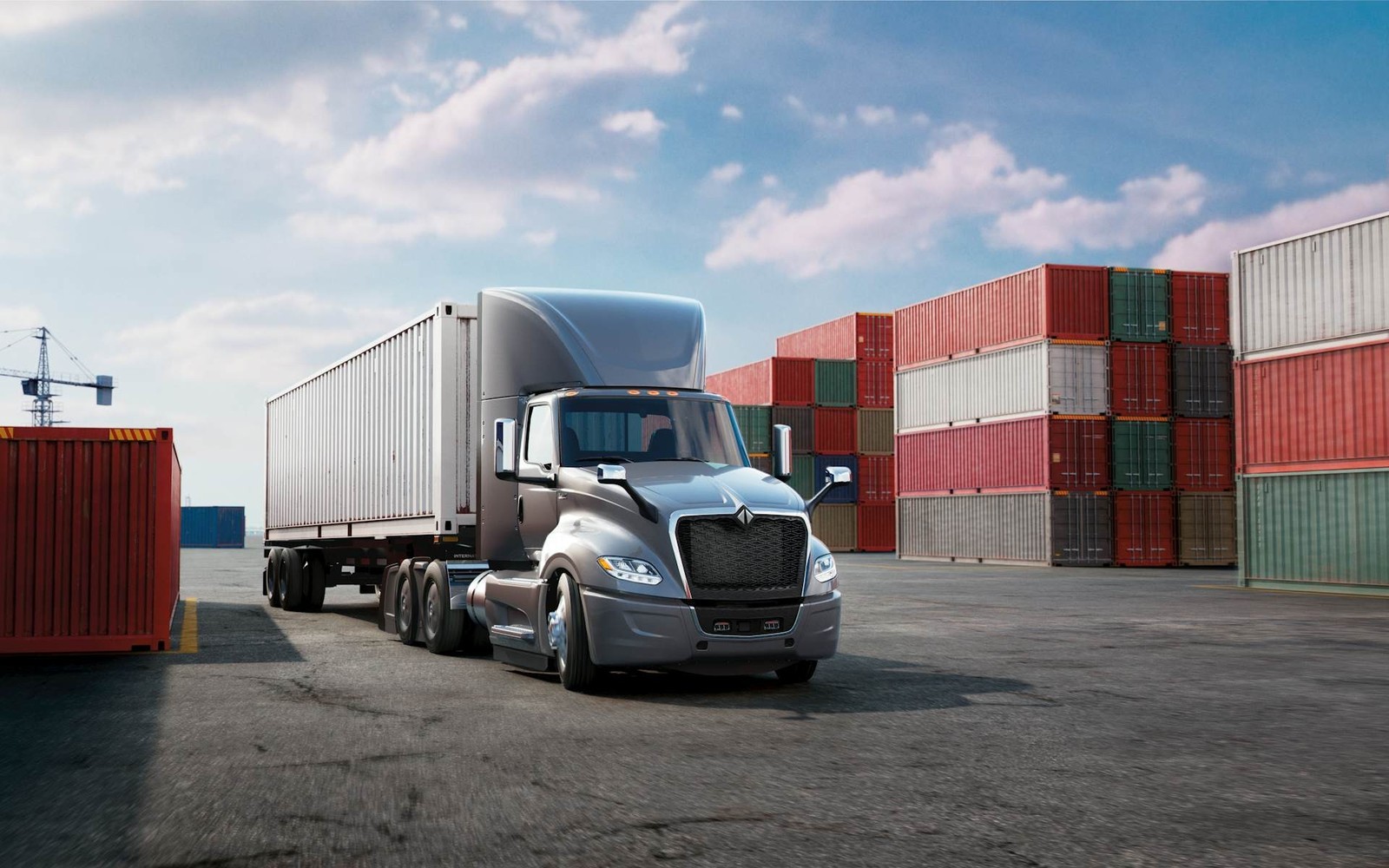
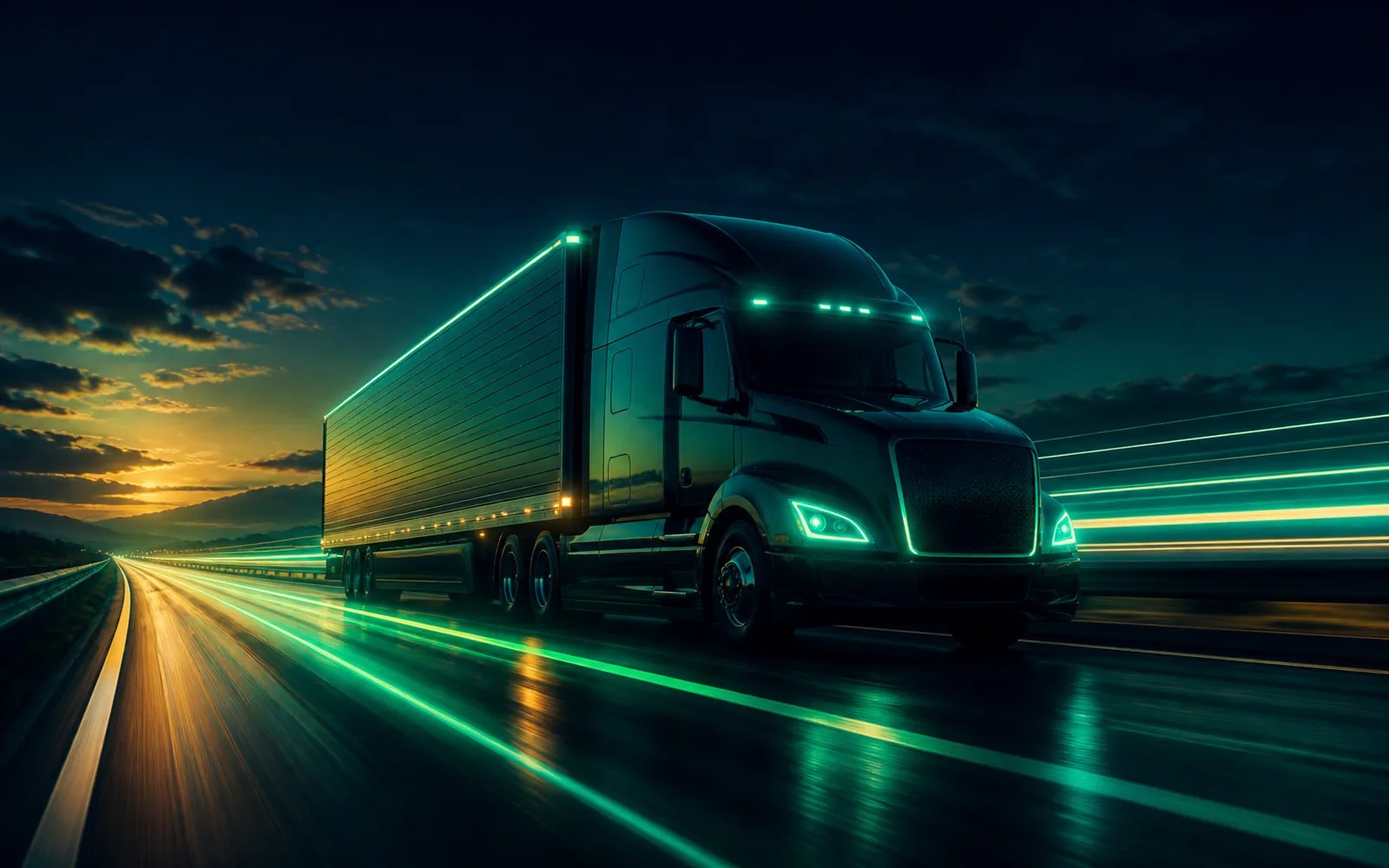
International's LT Series holds its ground in the Class 8 market as a cost-effective, capable alternative to the premium-priced options. If you've been paying on an LT for two or more years, you have an equity position. Refinancing pulls that position into working capital without touching your operation. The truck stays on the road. The money goes to where the business needs it. We close in about two weeks.
Navistar positioned the LT Series as a replacement for the ProStar lineup, with a focus on driver comfort, lower cab noise, and reduced total cost of ownership. The A26 engine, Navistar's own 12.4-liter inline-six, powers many LT configurations, while the Cummins X15 is available for operators who prefer it. Both engine choices have established parts and service networks, which lenders recognize as a positive factor in the collateral equation. If you're evaluating refinancing across your International fleet, our International truck refinancing page covers the full model context.
Minimum deal: $50,000. Application-only to approximately $400,000. Three months of bank statements and a completed application get the process started.
The LT Series was engineered with total cost of ownership in mind, and that design intent produces benefits in the used market. Operators who chose the LT often did so because the purchase price was lower than competitive options, and many of those trucks entered service at lower financed amounts, which means equity builds faster as a percentage of value.
In terms of resale, the LT's broad adoption by regional fleets and vocational operators creates steady demand in the used market. It's not as premium a truck as some competitors, but it's a known quantity with wide service coverage, which buyers value for predictable operating costs. Lenders who understand the Class 8 market can price the LT accurately rather than applying generic assumptions.
For operators running the LT as a day cab tractor in regional distribution or short-haul lanes, the truck's duty cycle tends to accumulate miles quickly. Higher mileage trucks require honest disclosure and accurate appraisal, but they don't automatically fall outside refinancing range if the value still exceeds the payoff.
Small regional carriers with one to five trucks, often running less-than-truckload, refrigerated, or local distribution freight. Owner-operators who bought the LT as a cost-effective entry point into long-haul and have built it into a productive asset. And fleet operators who financed multiple LTs at varying rates and want to consolidate or selectively cash out of the ones with the most equity.
The trucking and transportation operators we see most often with LT refinance requests are running tight cash operations where the difference between a high-rate payment and a lower one is meaningful to monthly operating margin. Fuel costs, insurance, and driver pay leave little room for inefficient debt service. A refinance that drops the payment by a few hundred dollars a month is not trivial across a three-truck fleet.
Operators in markets like Indianapolis or St. Louis, centrally located distribution hubs where regional freight runs densely, often keep LTs at high utilization. High utilization with solid revenue history is exactly what lenders want to see in the bank statement review.
Submit the application, three months of statements, VIN and mileage, and your existing payoff amount if the truck is financed. We review the file, identify the best lender match in our network, and come back with real terms, not estimates. From there, document execution and lien processing typically take one to two weeks to funded.
We don't pad the timeline. If your file is complete when you submit it, you're not waiting for us to gather information. You're waiting for lender processing, which we push on your behalf. Operators who've dealt with slow lenders directly often find our managed process moves faster than trying to call lenders one at a time.
If your personal credit is below prime, B and C credit equipment financing is the path. The LT's collateral strength helps. So does consistent revenue in the bank statements. We look at the whole picture, not just the score. And if you want to explore a Equipment Sale-Leaseback for a larger upfront cash amount, we model that alongside the standard refinance options.
Tell us the VIN, mileage, current payoff, and send three months of statements. We run it with our financing desk and come back with real terms fast. Cash-out equipment refinancing on Class 8 trucks is what we do. Your LT has equity waiting to work. Let's turn it loose.
These are the underwriting points the desk uses to turn the taxonomy page content into a real cash-out structure.
International LT Series Refinancing value, serial, configuration, hours or mileage, payoff, and comparable sales.
$50. The available cash is based on verified value minus the existing payoff.
Two weeks.
Working capital, down payments, debt cleanup, slow-season coverage, and project mobilization.
The A26 has a known service history in some model years. Disclose and document any related repairs upfront. Lenders who know the truck account for its history.
Temporary-lease arrangements can affect the lien position. Tell us the arrangement upfront and we'll advise on the path.
No hard minimum from us, but many lenders prefer at least six months of ownership history.
If the trailer has equity and a clean title, yes. Bundling can streamline lien structure and improve total terms.
We discuss options: proceed at the available loan amount, bring additional assets, or decline without cost to you.
Send the machine, payoff, and target cash-out amount. We will review the file and come back with rate, term, payment, and net proceeds.
Tell us what you are buying, who is selling it, and when you need it earning. We will review the file and point you to the next step.