Collateral Reviewed
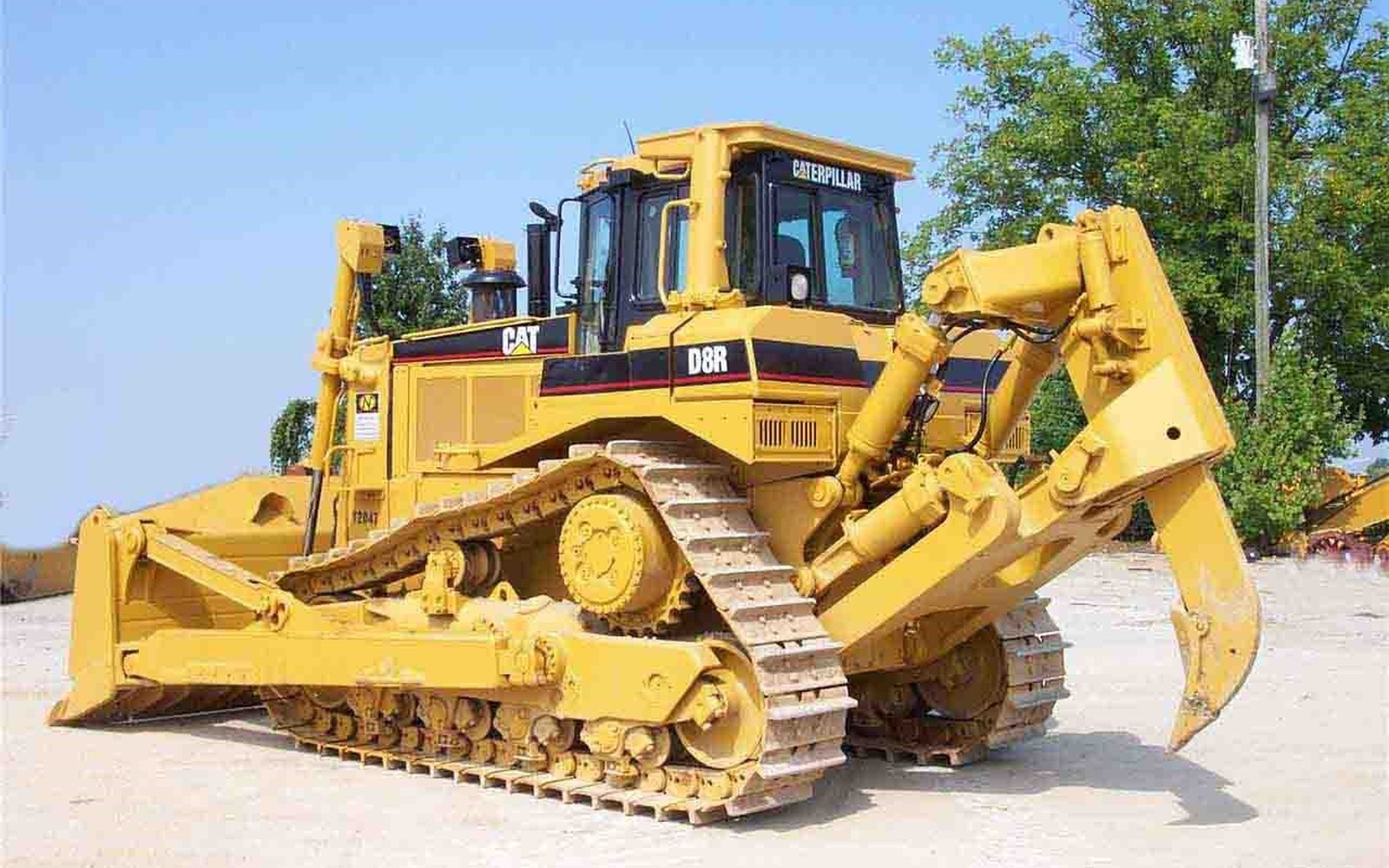
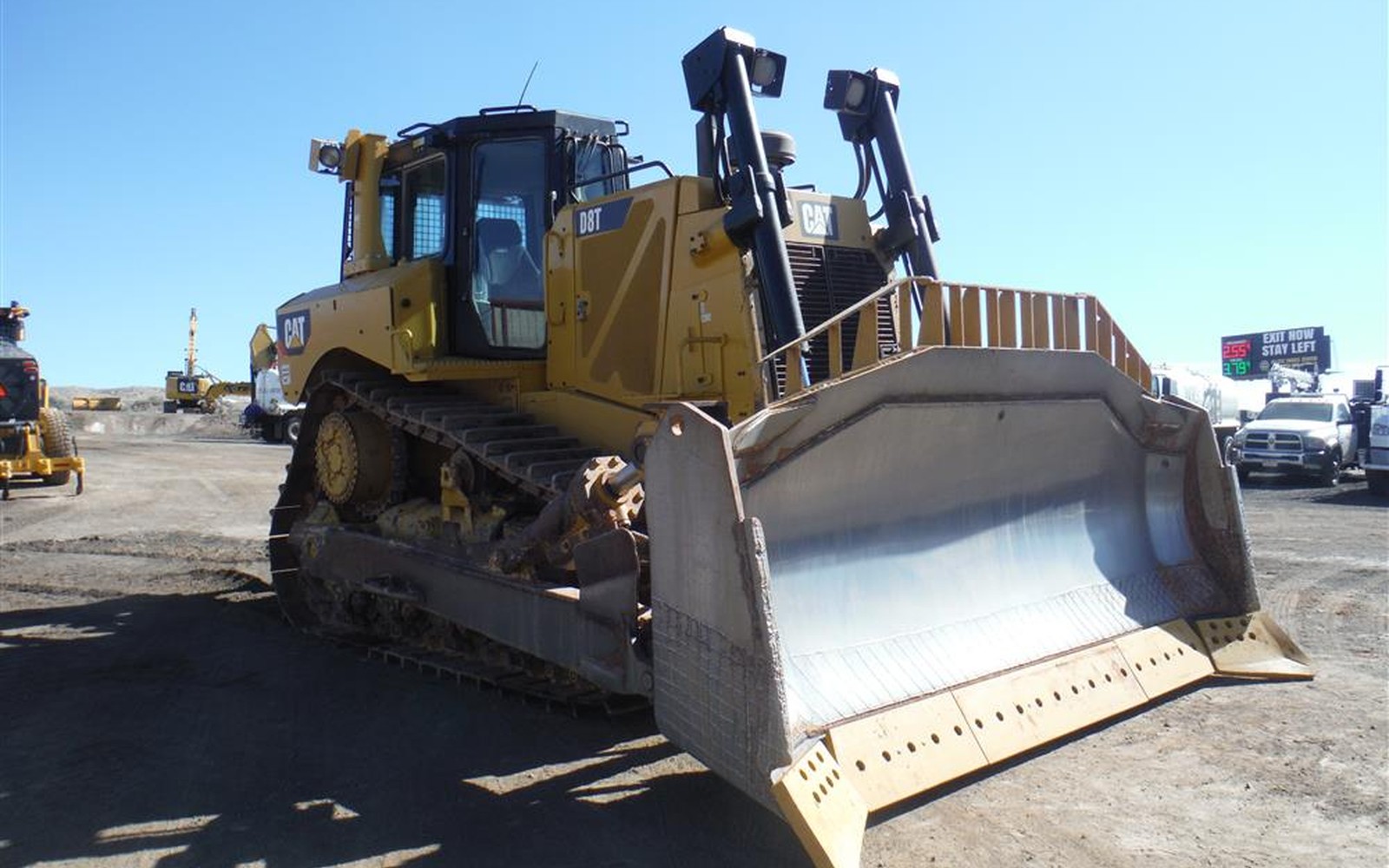
Caterpillar D8T Dozer Refinancing value, serial, configuration, hours or mileage, payoff, and comparable sales.

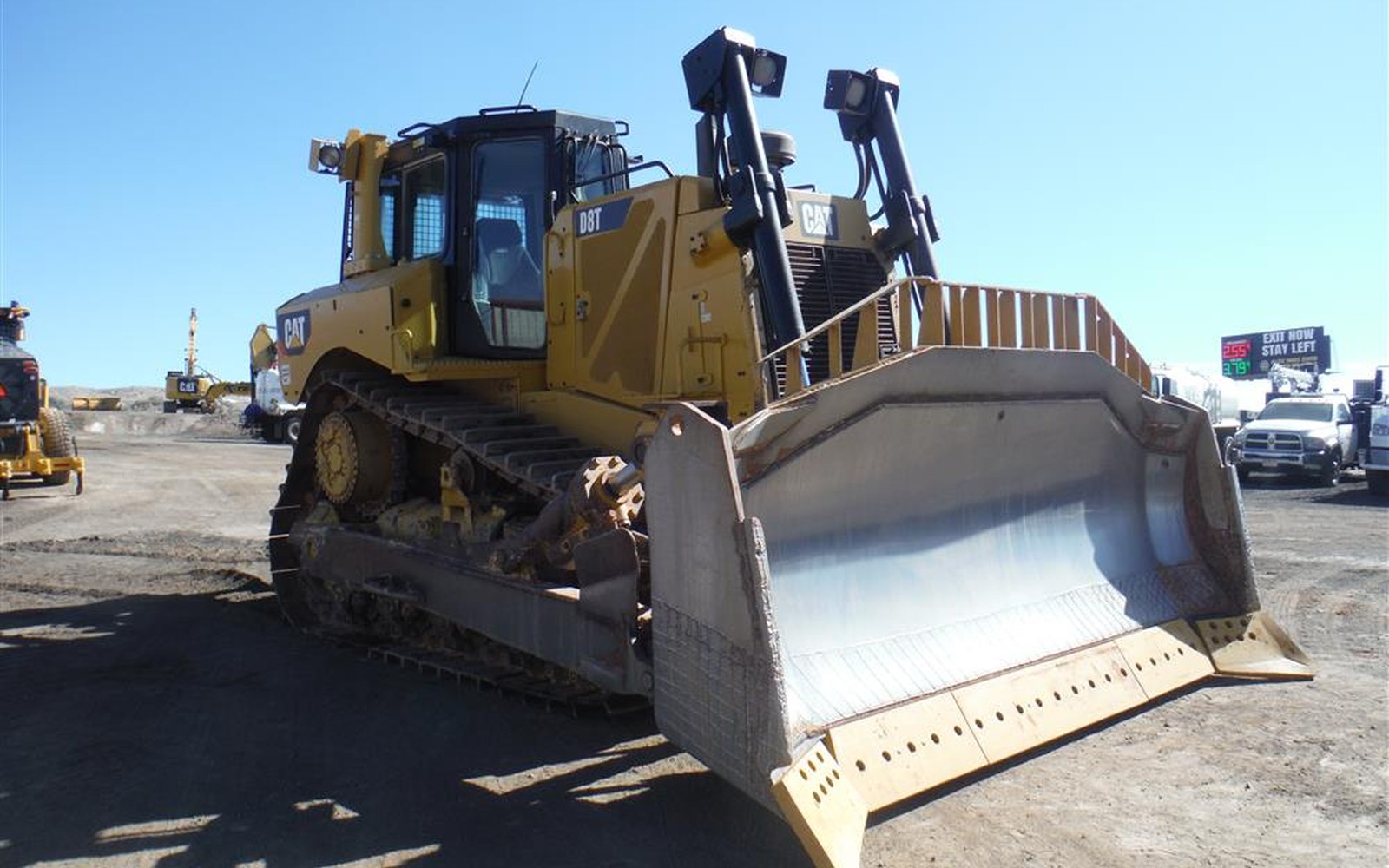
A paid-down Cat D8T is a balance sheet asset doing double duty: producing on the ground and carrying equity that can become capital. The D8T is not a small machine. New, it prices well into six figures. Used, it still commands serious money in the secondary market. That value is the foundation of a refinancing transaction that puts real cash in your account, fast.
Operators running D8Ts are typically in large earthmoving, open-pit mining prep, land clearing at scale, or pipeline spread work where production tonnage demands power and blade capacity beyond what a D6 provides. These are businesses with real equipment costs and often real cash flow timing gaps. A refinancing deal matched to that scale is what we do.
We place large bulldozer refinancing across multiple lender sources and have handled D8T transactions with machines of varying ages, hours, and credit situations on the borrower side. If the equity is there, the conversation is worth having.
The Cat D8T has a published operating weight around 82,000 pounds and is powered by a Cat C15 ACERT engine. These are significant machines. Lenders underwriting against a D8T are looking at an asset with real market depth, not something that would be difficult to dispose of in a workout scenario.
Machines at this tier often have tracked service histories with Cat dealers, which is meaningful. A documented Cat dealer service file is the closest thing to a certified maintenance record in the heavy equipment world. If yours has that history, the appraisal will reflect it.
Undercarriage wear on a machine this size is a major cost factor. Track replacement on a D8T is expensive and significantly affects residual value. Recent undercarriage or freshly installed track components change the appraised number materially. Know your undercarriage status before you apply, because we will ask.
The D8T is larger than the Cat D6 and occupies a different lender tier. Deals at D8T pricing often exceed the application-only threshold, meaning we may need more documentation than a simple credit application and bank statements. We tell you upfront what is needed for your specific deal.
Both new and used D8Ts refinance. The differences are in deal structure and lender appetite.
A newer D8T, say three years old with manageable hours, is straightforward. Strong residual, clear depreciation curve, no obscure maintenance questions. Lenders are comfortable setting terms based on published data and the machine will price predictably.
An older D8T with higher hours but significant recent work is a different conversation. We are not talking about a machine that cannot be refinanced. We are talking about one where the story matters. Recent engine work, new undercarriage, and a clear service log can support a solid appraisal even on a machine with age and hours.
For operators who work with used equipment exclusively, we are not a program that only handles late-model iron. A well-maintained older D8T with equity is a legitimate deal. The key is documentation and honesty about the machine's current state.
Operators in mining and aggregates often run older machines hard and maintain them well. That combination can produce refinanceable equity even on machines with high hour meters.
Large-machine deals sometimes take a bit longer than lighter equipment because the deal sizes often exceed the threshold for application-only underwriting. When additional documentation is required, the timeline stretches modestly.
A typical D8T deal runs two to three weeks from complete application to funded. Some straightforward deals move faster. If you need to know the timeline with precision, we can give you a read after we see the file.
What you can do to accelerate the process: have the machine's serial number, current hours, and a clear payoff quote from any existing lender ready to go. If you have a recent appraisal or a documented service history, that also helps. Incomplete information creates back-and-forth that costs time.
If speed is critical and you are not sure whether a D8T deal is faster as a refinance or a Equipment Sale-Leaseback, we will tell you which structure is likely to close faster in your situation.
The operators who call us about D8T refinancing are usually at a growth inflection. The machine is there, the work is coming, but the capital to take on a larger project or add capacity is constrained. D8T equity can bridge that gap without disrupting the current revenue stream.
Pipeline work contractors are a consistent source of these calls. Spread work on large midcontinent and Gulf Coast pipeline projects requires D8-class blade work, and contractors who have paid down their iron are sitting on capital that can fund bond capacity, mobilization, or crew expansion.
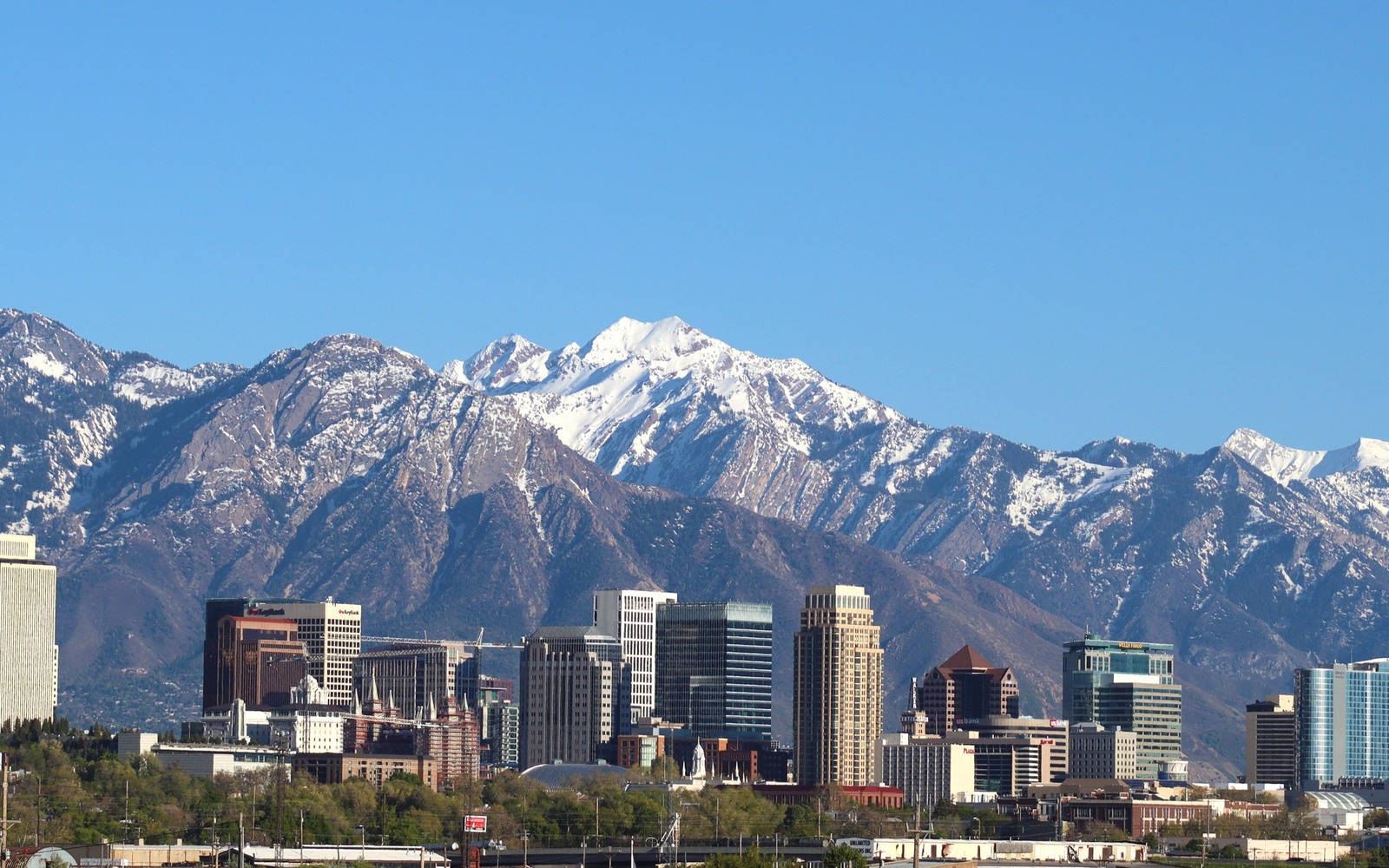
Mining prep and aggregate site clearing contractors in the Mountain West and Southwest are another group. Their machines work hard, accumulate hours, and often carry meaningful equity if maintained. See our pages for Salt Lake City and Albuquerque for markets where this activity is concentrated.
Large iron means large equity potential. Get a number on what your D8T qualifies for. Submit the machine details and we will respond with a real assessment, not a form letter.
Also see Caterpillar equipment refinancing for the full Cat line and cash-out equipment refinancing for how the structure works.
These are the underwriting points the desk uses to turn the taxonomy page content into a real cash-out structure.
Caterpillar D8T Dozer Refinancing value, serial, configuration, hours or mileage, payoff, and comparable sales.
$400. The available cash is based on verified value minus the existing payoff.
1-2 weeks.
Both new and used D8Ts refinance.
It typically does. Application-only underwriting covers deals roughly up to that threshold. Above it, lenders usually want tax returns, business financials, and sometimes a formal appraisal. We tell you exactly what is needed when we see the deal size.
Yes, if the value exceeds the payoff. We pay the existing lender and issue you the net equity as cash. The math depends on the appraised value and your current balance.
Potentially, depending on what the work is and what the machine would be worth afterward. Some lenders will structure a deal with a holdback for planned maintenance. Others prefer the work to be done first. We sort through that when we see the specifics.
Usually yes, because you are effectively selling the machine at full value rather than borrowing against a portion of it. Whether that makes sense depends on your ownership goals and tax situation. We walk through both before you decide.
It affects what entity signs the loan documents, but it does not prevent refinancing. We work with sole proprietors, LLCs, corporations, and partnerships. The business structure affects the application paperwork, not the eligibility.
Send the machine, payoff, and target cash-out amount. We will review the file and come back with rate, term, payment, and net proceeds.
Tell us what you are buying, who is selling it, and when you need it earning. We will review the file and point you to the next step.