Collateral Reviewed
Caterpillar 336 Excavator Refinancing value, serial, configuration, hours or mileage, payoff, and comparable sales.

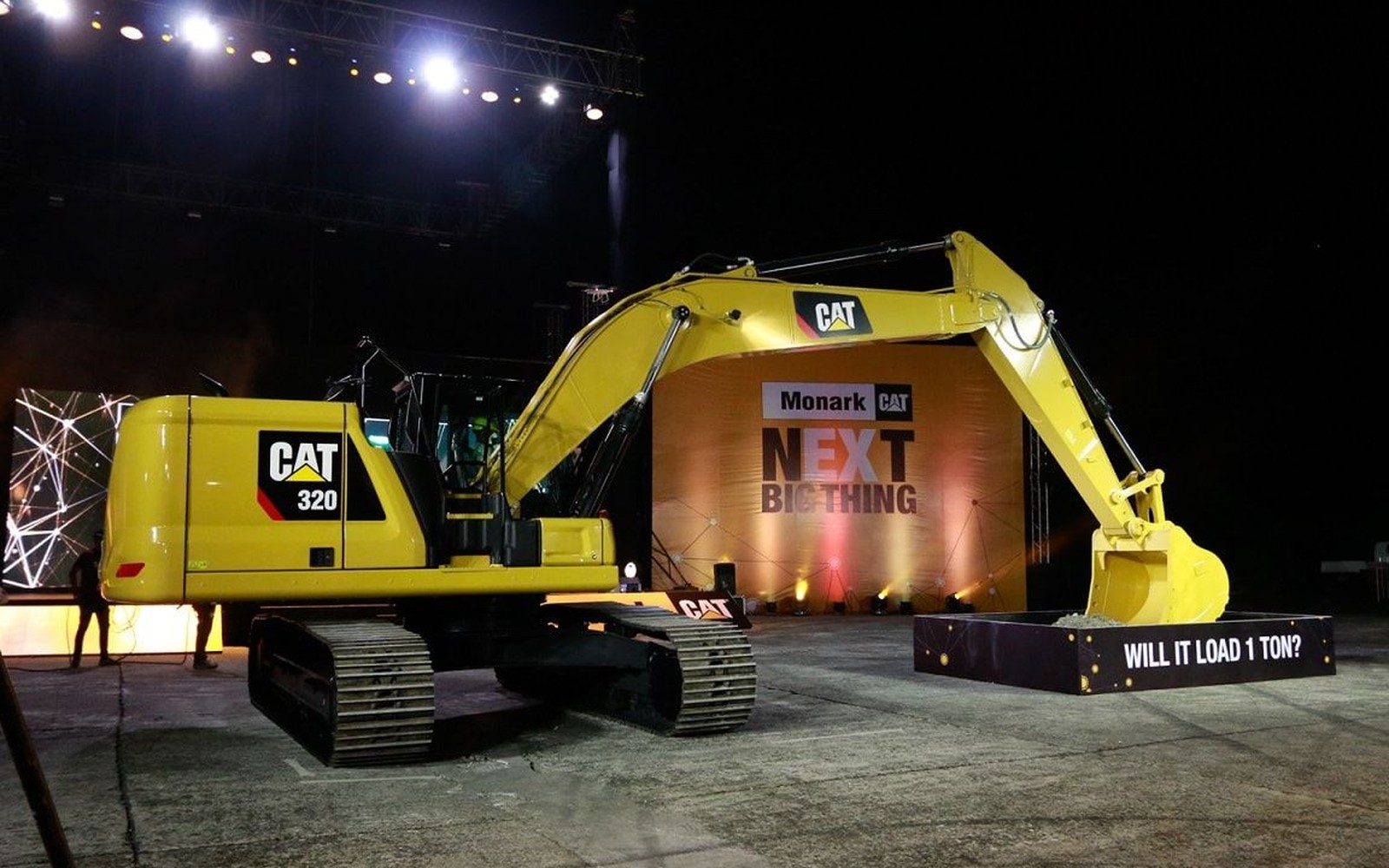
A Cat 336 at full residual value is serious collateral. Thirty-six-ton class machines carry price tags that start well into the six figures, and when you have paid one down or own it outright, there is real capital locked inside that frame. That capital does not have to stay locked. A cash-out equipment refinance releases it, typically within two weeks, without requiring you to sell the machine or disrupt your operations.
The Cat 336 sits above the 320 and below the massive 390-class iron. It is the preferred excavator for large site prep, heavy road construction, and deep utility work where a 20-ton machine would be underpowered but a 50-ton unit would be overkill and hard to move between sites. Contractors who own 336s tend to be running real volume, and their financial needs are proportional. The equity in a 336 can fund a skid steer, a dump truck, or a month of operating costs for a growing company.
We specialize in excavator refinancing at this weight class. Applications are processed fast and the cash lands without the theater of a traditional bank loan process.
Lenders care about two things: can the borrower pay, and what happens to the asset if they cannot. On the second question, a Cat 336 is a known quantity. The secondary market for 36-ton Cat excavators is well-established. Dealers stock them, auctions clear them, and operators from Houston to Denver are always looking at inventory. That liquidity backstop lets lenders offer stronger terms than they might on obscure iron.
The 336 platform has been revised over multiple generations. Machines with low hours and solid service records hold value well into their working life. A 2019 or newer 336 with documented Cat dealer service history will come in at a strong appraisal. Even higher-hour machines with recent undercarriage or component work can perform well in a lender's eyes when the maintenance story is clear.
If you run multiple Cat machines, consider looking at our overview of Caterpillar equipment refinancing to see how we handle refinancing across the full Cat fleet simultaneously. Owners with two or three Cat units sometimes find it efficient to consolidate lenders and notes at the same time as pulling equity.
Two structures commonly apply to a high-value excavator like the 336: a traditional cash-out refinance and a sale-leaseback. They produce different balance-sheet outcomes.
In a cash-out refinance, you retain title to the machine throughout. You take a new loan against the value, receive the equity as cash, and keep making payments until the loan is satisfied. The machine stays on your books as an asset.
In a Equipment Sale-Leaseback, you sell the machine to a finance company and immediately lease it back. You receive the full sale price as cash and make monthly lease payments to continue using the machine. At the end of the term you may or may not have an option to repurchase. The machine comes off your balance sheet, which can affect your borrowing capacity for other needs.
Which structure fits depends on your goals. For most operators who intend to keep running the 336 for years, a cash-out refinance is cleaner. For operators who want maximum immediate cash and do not care about ownership, a leaseback can unlock more capital. We walk through both options when you reach out so you can make a clear call.
The contractor who bought the 336 to win a specific job, paid it down over two or three years, and now sees the next opportunity arriving before the cash does. The equity they built is the bridge.
The owner-operator who financed at a tough rate when credit was challenged. A refinance at better terms saves on the monthly number and may still produce cash. B and C credit equipment financing is something we handle regularly, and many owners find their position has improved since the original deal.
The company running multiple machines and looking to consolidate payment obligations while also accessing working capital. A 336 refinance as part of a broader capital restructure is a legitimate play for a business that is growing but cash-constrained.
Operators in heavy road and highway construction frequently own 336-class iron and carry the equity to make a refinance worthwhile. This is not a niche situation. It is a common funding tool for businesses at that scale.
Start to funded typically runs one to two weeks. The sequence is: you submit an application and machine information, we pull credit and verify the asset, we issue terms, you sign, we pay off any existing lien, and the remaining cash transfers to your account.
Documentation for a deal in the application-only range is light: a credit application, three months of business bank statements, and the machine's serial number and current hours. We do not need a full financial package to start or to close most 336 deals.
For larger transactions, or deals where the existing payoff leaves less equity than expected, we may need an independent appraisal. That adds a few days but not weeks. We tell you upfront what the deal looks like so you are not surprised at the table.
Six-figure iron with equity in it should be earning you capital, not just daily production. Tell us about your machine and your need. We will come back with numbers fast.
For a smaller Cat excavator, see Cat 320 refinancing. For a full look at our financing structures, visit the equipment refinancing overview.
These are the underwriting points the desk uses to turn the taxonomy page content into a real cash-out structure.
Caterpillar 336 Excavator Refinancing value, serial, configuration, hours or mileage, payoff, and comparable sales.
$400. The available cash is based on verified value minus the existing payoff.
1-2 weeks.
Two structures commonly apply to a high-value excavator like the 336: a traditional cash-out refinance and a sale-leaseback.
Yes, as long as the current value exceeds your payoff. We pay off the existing lender and issue you the remaining equity as cash. With a 336 that has been maintained, there is often meaningful equity after two years of payments.
There is no hard cutoff, but higher hours mean lower appraised value, which means less equity to pull out. A 336 with recent major component work (undercarriage, engine, hydraulics) may still carry solid value even with high hours. Tell us the full story.
For transactions in the application-only range (roughly up to $400k), three months of bank statements and a credit application are usually sufficient. Larger deals or unusual situations may require more documentation, but we tell you what is needed upfront.
Often yes, because a leaseback can release close to the full appraised value rather than just the equity above a new loan balance. Whether that trade-off (giving up ownership) makes sense depends on your situation. We cover both options when we talk.
We request a ten-day payoff quote from your current lender, and we wire the payoff directly at closing. You do not have to manage that transfer. Your old account closes and the new loan is established.
Not significantly. We work nationally. The machine's location matters for titling and lien recording, but it does not prevent the deal from moving forward.
Send the machine, payoff, and target cash-out amount. We will review the file and come back with rate, term, payment, and net proceeds.
Tell us what you are buying, who is selling it, and when you need it earning. We will review the file and point you to the next step.