Collateral Reviewed
Revenue-producing equipment already working in the operation, with payoff and current value documented.

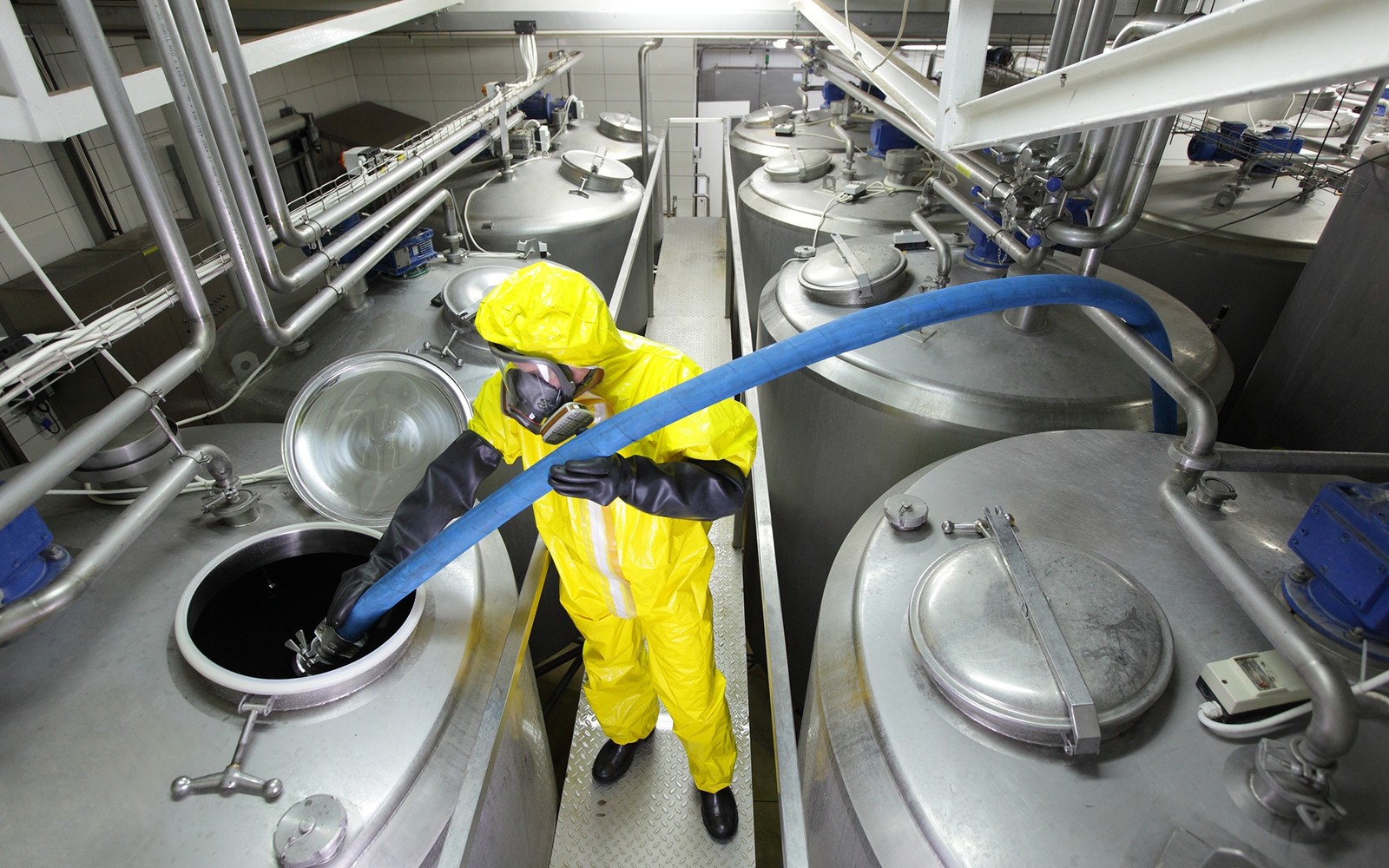
Food and beverage processing equipment is built to run for decades. A commercial mixer, a filling line, or a pasteurizer paid down over four years does not suddenly become worthless. It becomes equity. That equity, extracted through cash-out equipment refinancing, pays for the line expansion, the co-packer acquisition, or the cold storage upgrade that gets you to the next customer.
We work with protein processors, bakeries, beverage manufacturers, dairy operations, condiment and sauce producers, and specialty food companies at every scale from regional producers to national co-packers. The equipment spans filling lines, mixers, ovens, chillers, pasteurizers, and conveyance systems, most of which qualifies as collateral when the value supports the transaction.
Minimum transaction is $50,000. Food processing operators often run between $100,000 and $600,000 per transaction depending on the production line complexity and the equipment involved. Funding from a complete file takes one to two weeks.
Processing and packaging lines contain multiple asset categories that can serve as collateral. The primary types we finance:
Equipment integrated into a production line with a fixed installation is handled differently than standalone units. We assess each situation and determine what can serve as collateral given the practical considerations around the equipment's position in the facility.
Food and beverage companies grow in line extensions, new SKUs, and capacity expansions. Each of those moves requires capital up front: new tooling, mold costs, trial runs, label changes, regulatory compliance work, and production capacity. Revenue from the new line follows, but it does not arrive the same week the decision is made.
Equipment equity is a fast, clean bridge for exactly these situations. A food company with a paid-down filling line can access six figures in capital in two weeks and direct it at the expansion that grows the top line. The production floor becomes a capital source, not just a cost center.
Food processors in agricultural processing regions like Fresno and Bakersfield in California's Central Valley, and distribution-focused operations in markets like Kansas City, use this structure to fund production expansions that align with seasonal crop availability and customer demand cycles.
Food processors who have paid off their primary processing lines are well-positioned for equipment sale-leaseback transactions. The full market value of the production line comes in as cash at closing rather than the equity above an existing loan balance. Monthly lease payments replace any prior obligation or start fresh for equipment that was owned free and clear.
This structure is particularly useful for food companies that are carrying other debt obligations and want to improve their near-term liquidity position without adding more fixed debt to the balance sheet. The lease payment is an operating expense rather than a debt obligation under certain accounting treatments, which may affect how the company's financial ratios are viewed by other lenders or investors.
Both cash-out refinancing and sale-leaseback are available. We present both structures with real numbers when you apply so the decision is based on your actual situation.
Three months of business bank statements, an application, and equipment details are the starting point for transactions under $400,000. For food processing equipment, additional detail helps: equipment manufacturer, model, year, production capacity (units per hour or pounds per hour where applicable), and any existing payoff balance.
Food companies with B and C credit are eligible through our B/C credit equipment financing program. The food industry has seen its share of operators who went through a difficult stretch during commodity price spikes or supply chain disruptions. Current cash flow and asset quality are the primary underwriting factors for operators in that situation.
For food companies with multiple equipment notes across different lines or different facilities, a debt consolidation equipment loan may simplify the structure and potentially reduce total monthly obligations.
Give us the equipment details, approximate values and payoffs, and what you need the capital for. We come back with a real structure the same day you apply.
These are the underwriting points the desk uses to turn the taxonomy page content into a real cash-out structure.
Revenue-producing equipment already working in the operation, with payoff and current value documented.
$50. The available cash is based on verified value minus the existing payoff.
One to two weeks.
Working capital, down payments, debt cleanup, slow-season coverage, and project mobilization.
Permanently installed equipment can still serve as collateral, though practical considerations around repossession and resale affect our risk assessment. The more specialized the installation, the more conservative our loan-to-value approach may be. For standard commercial filling equipment from major manufacturers, we can generally work with installed configurations.
Food safety certifications validate that the facility and equipment operate to specific standards, which is a positive context indicator for your operation. It does not directly affect the equipment valuation or financing terms, but it contributes to the overall picture of a well-run operation.
Custom or specialty equipment from smaller manufacturers typically carries more conservative loan-to-value ratios because secondary market depth is limited. That does not mean it cannot serve as collateral, but we may apply a lower advance rate than we would for major-brand standard equipment. Submit the details and we will give you a real assessment rather than a general answer.
Proceeds are unrestricted. Compliance work, food safety audits, facility upgrades, and anything else required to land or maintain a major retail account is a legitimate and completely acceptable use of the capital.
Customer-owned equipment is not your asset to pledge. Only equipment titled to your company or for which you have the lien-free right to encumber can serve as collateral. When you apply, distinguish clearly between customer-owned assets and your own production and packaging equipment, and we will structure the transaction around your assets.
Send the machine, payoff, and target cash-out amount. We will review the file and come back with rate, term, payment, and net proceeds.
Tell us what you are buying, who is selling it, and when you need it earning. We will review the file and point you to the next step.