Collateral Reviewed
Revenue-producing equipment already working in the operation, with payoff and current value documented.

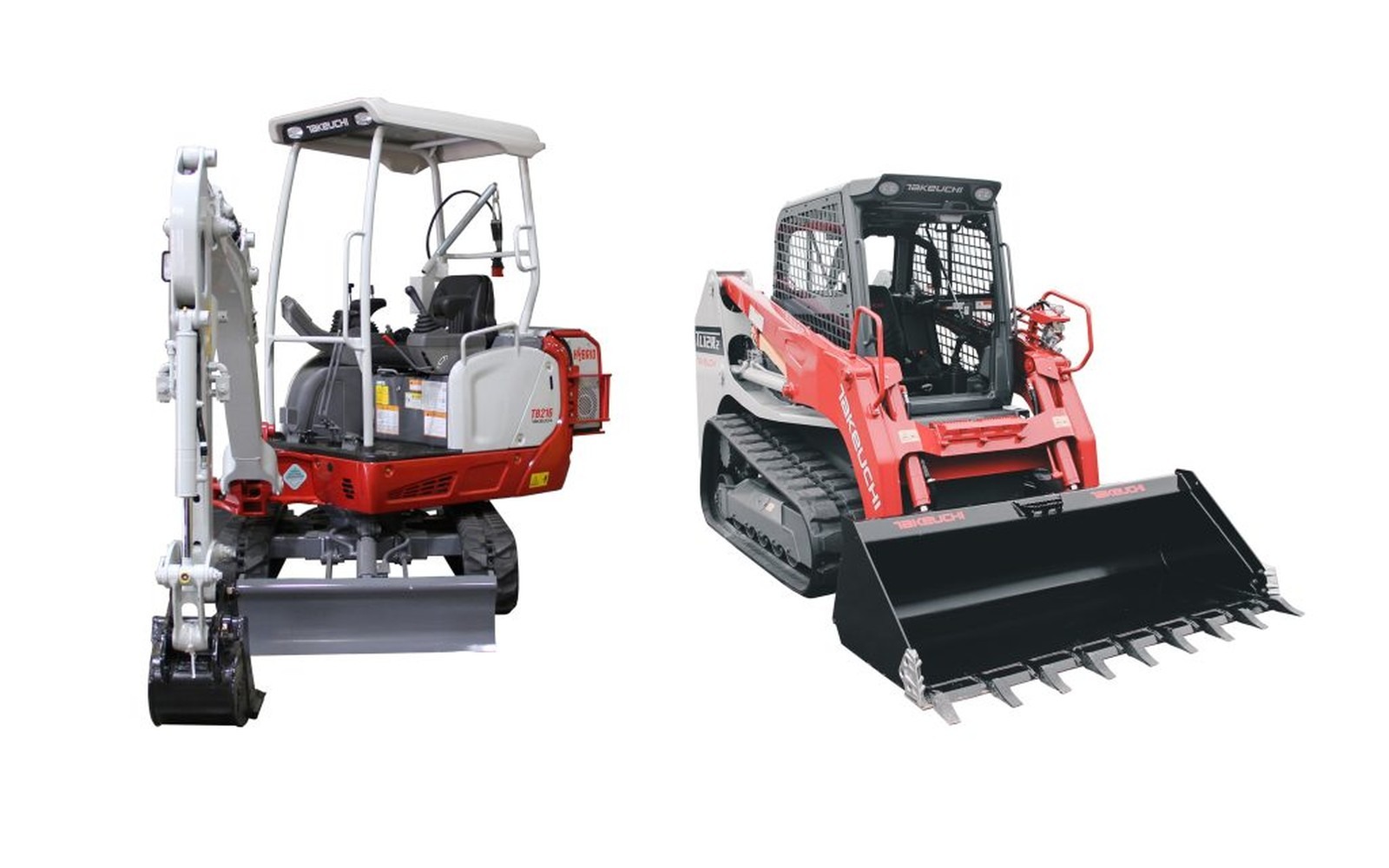
Demolition is capital-intensive work. The equipment list for a medium-size demo contractor, excavators with demolition attachments, concrete crushers, shears, grapples, dust suppression, and material handling equipment, represents years of capital accumulation. That accumulated equity has value today, not just on the day you eventually sell.
We provide cash-out equipment refinancing and sale-leaseback structures for demolition contractors who want to convert that equity into operating capital without putting the machines on the market. You keep working the iron. The cash goes into your account.
We start at $50,000 per transaction. Most demolition operators we work with land between $100,000 and $500,000 depending on fleet size and equity position. Funding typically takes one to two weeks from a complete application.
Demolition contractors run specialized configurations that differ from standard construction fleets. Most of that equipment qualifies for refinancing based on base machine value even when attachments are specialized.
Attachment value is typically excluded or carried conservatively in the collateral assessment. We lend primarily against the base machine.
Demolition contracts often come with unusual payment structures. Environmental compliance, hazmat surveys, and project phasing can push payment timing in ways that differ from standard construction billing. Deposit requirements on landfill tipping fees, fuel for continuous haul operations, and disposal manifesting costs all hit before the final invoice clears.
Cash from equipment equity is a direct answer to that timing problem. It is not a revolving line that gets reviewed annually, not a factor that holds your invoices, and not a partner who wants a piece of the project. It is a term loan against your own iron, and the proceeds are in your account within two weeks.
Demo contractors operating in markets with active urban redevelopment and industrial site clearance, including Chicago, Detroit, and Pittsburgh, have used this structure to capitalize on demolition contracts that opened up as legacy industrial properties changed hands.
Two paths produce cash from your demolition fleet. Standard cash-out refinancing uses the equipment as collateral, pays off any existing lien, and puts the net proceeds in your account. You own the machine, there is a new lien on it, and payments run for the term of the note.
Sale-leaseback goes further. You sell the machine outright to a lender or leasing company at close to market value and immediately lease it back. The machine stays on your jobs. The cash you receive is the full sale price, not just equity above an existing loan. Monthly lease payments replace whatever payment structure existed before.
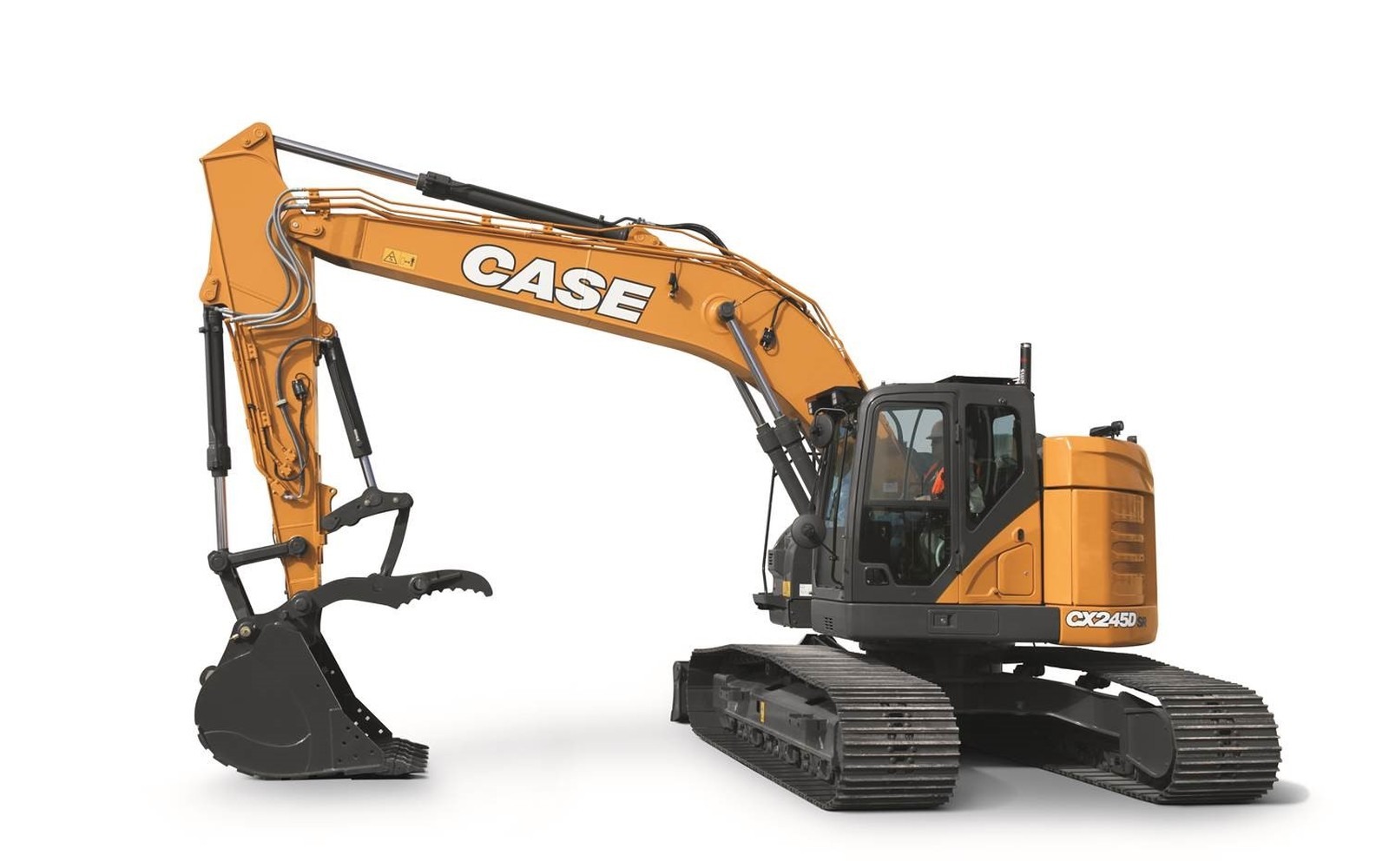
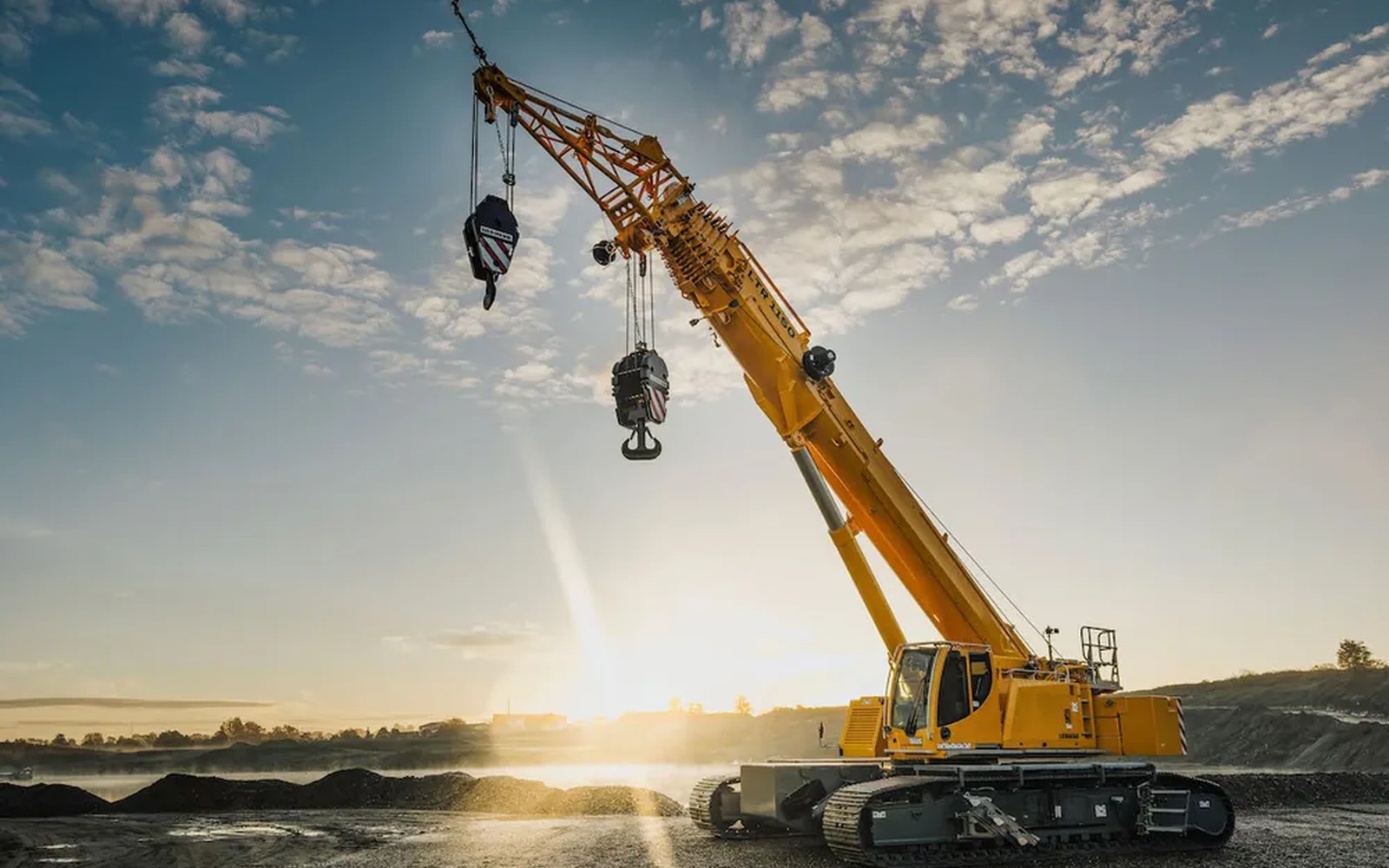
For a fully-paid-off excavator or crane worth $400,000, a sale-leaseback produces significantly more cash than a cash-out refinance that might be capped at 65 to 70 percent of value. Both structures are available and we will show you both before you choose.
Standard documentation: application, three months of business bank statements, equipment make/model/year/serial/payoff. For larger transactions, we pull financials as well, but the process does not stall while waiting for accountant-prepared statements in most cases.
Demolition contractors sometimes carry credit profiles that show the variability of the business: project-based revenue, prior equipment debt, and periods where a project that ran long caused a tight stretch. We work with B and C credit and we underwrite the current picture, not just the score. B/C credit equipment financing is a standard part of what we do.
Applications under roughly $400,000 go through application-only processing. No tax returns required in that range.
Give us the machine list, approximate payoffs, and what the capital is for. We run the numbers and come back with an actual structure, not a vague range. Apply today and hear back the same day.
These are the underwriting points the desk uses to turn the taxonomy page content into a real cash-out structure.
Revenue-producing equipment already working in the operation, with payoff and current value documented.
$50. The available cash is based on verified value minus the existing payoff.
1-2 weeks.
Demolition contracts often come with unusual payment structures.
Yes, though the collateral assessment will focus primarily on the base machine value rather than the attachment. High-reach excavators are generally Komatsu, Liebherr, or Caterpillar units that have established secondary market values independent of the configuration. The attachment adds operational value but is not the primary collateral driver.
No. We do not require the machine to be pulled from service during the process. Equipment information, serial numbers, photos, and market valuation data are sufficient in most transactions. The machine can keep working.
Not necessarily. We look at the full picture: what happened, what the current situation looks like, and what the asset covers. Two years of recovery and current positive cash flow is a different story than an ongoing problem. Apply and let us look at the actual file rather than pre-screening yourself out.
Proceeds are unrestricted. Demo contractors use them for everything from tipping fees and environmental escrow requirements to bonding and down payments on new equipment. There are no use restrictions in our agreements.
Crushing and screening equipment qualifies depending on manufacturer, age, condition, and configuration. We evaluate these on a case-by-case basis. If it is a name-brand portable plant in working condition with active utilization, there is likely a transaction structure available.
Send the machine, payoff, and target cash-out amount. We will review the file and come back with rate, term, payment, and net proceeds.
Tell us what you are buying, who is selling it, and when you need it earning. We will review the file and point you to the next step.