Collateral Reviewed
Revenue-producing equipment already working in the operation, with payoff and current value documented.

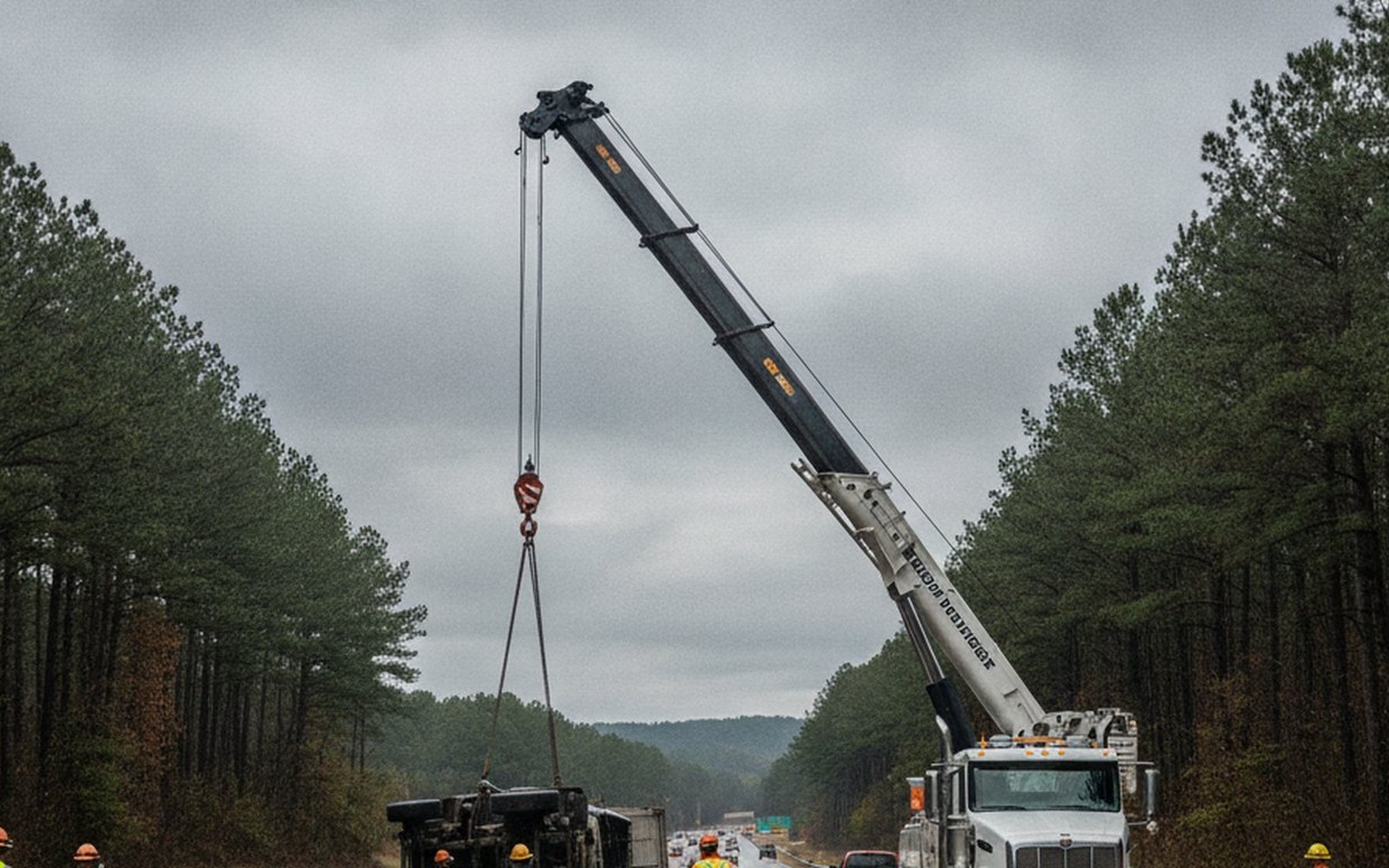
Towing and recovery equipment is expensive to acquire and expensive to maintain. A heavy rotator or an underlift wrecker represents a six-figure capital investment, and a company that has paid on that equipment for three years has real equity sitting in it. That equity is cash waiting to happen.
Cash-out equipment refinancing turns the equity in your wrecker or rotator into working capital. The truck keeps working. You get capital for the next truck, the next equipment upgrade, or the storage facility you have been planning. Minimum transaction is $50,000, and most towing and recovery operators run between $75,000 and $400,000 per transaction depending on the equipment and their fleet size. Funding takes one to two weeks from a complete application.
Towing and recovery fleets cover a range from light-duty to the largest rotators and heavy recovery equipment. Most of it qualifies for refinancing when value and equity support the transaction.
Light-duty tow trucks and standard carriers are at the lower end of the value range. Transactions are easiest when the heavy or medium wrecker or rotator is involved, but light-duty transactions above $50,000 are also possible depending on the truck's value.
The towing and recovery operators who get the most from equipment refinancing typically share one of three situations. First, they have a heavy unit like a rotator or a 50-ton wrecker that has been paid on for two or more years and has substantial equity but the capital in it is needed for the next growth move. Second, they have a fleet of medium-duty units with equity spread across multiple trucks that can be consolidated into a single blanket transaction. Third, they have a recently paid-off unit that represents significant value they want to access without selling it.
Motor club and fleet contract operators, particularly those who hold contracts with commercial fleets or DOT-authorized rotator responses, often have documented utilization that supports a strong application. The contract income demonstrates the recurring revenue behind the equipment that underwriters want to see.
Towing companies in active freight and commercial corridors like Los Angeles, Chicago, and Dallas have consistent demand from commercial fleet accounts that produces the cash flow pattern our underwriting looks for.
Equipment sale-leaseback works particularly well for rotators and heavy wreckers that are fully paid off. If your rotator is clear of debt and represents $400,000 to $600,000 or more in market value, a cash-out refinance might access 65 percent of that value. A sale-leaseback accesses the full value.
Under a leaseback, you sell the rotator at market price, lease it back under a monthly payment, and keep working it on every call. The full sale proceeds go into your account at closing. The monthly lease payment replaces any prior note or starts fresh for a paid-off unit. For operators who want to maximize the capital generated without giving up the equipment, sale-leaseback is often the right answer.
We walk through both structures with every applicant so the decision is based on real numbers, not assumptions about which is better in the abstract.
Standard documentation applies: three months of business bank statements, a completed application, and equipment details for each piece being financed. For tow trucks and wreckers, the details include chassis year, make and model, body manufacturer, and any existing payoff balance. For rotators, we also want the capacity rating and any recent service documentation.
Towing companies have variable credit profiles. Owner-operators who have been building the business often have personal credit that shows the early years of building capital in the business. We work with B and C credit. B/C credit equipment financing is a standard part of our program. What matters most in towing is the asset value and consistent operational cash flow as shown through bank statements.
Give us the details on your wrecker or rotator, what you owe, and what the capital is for. We come back the same day with a real structure. No commitment to see the numbers.
These are the underwriting points the desk uses to turn the taxonomy page content into a real cash-out structure.
Revenue-producing equipment already working in the operation, with payoff and current value documented.
$50. The available cash is based on verified value minus the existing payoff.
1-2 weeks.
The towing and recovery operators who get the most from equipment refinancing typically share one of three situations.
Yes. In that scenario, we pay off the existing $200,000, apply loan-to-value guidelines to the $550,000 market value, and send you the net proceeds after the payoff is cleared. The equity position between $200,000 and the loan-to-value cap on $550,000 is the cash you receive.
Documented recurring contract income is a positive factor in underwriting. A motor club contract demonstrates that the equipment is active and generating consistent revenue, which strengthens the cash flow picture in the application. Provide contract documentation along with your bank statements.
Age is one factor in the valuation. A 10-year-old heavy wrecker in good working condition with documented service history and active utilization still commands real secondary market value in most cases. Heavy recovery equipment is expensive to replace, so even older well-maintained units often have meaningful equity. The specific make, body manufacturer, and condition are more important than the age alone.
Proceeds are unrestricted. Using equipment equity to purchase or improve real property associated with the business is an acceptable use. A storage lot acquisition is exactly the kind of business investment many towing operators use refinancing proceeds for.
A blanket lien across a fleet of light-duty units is an option if the combined collateral value supports the minimum transaction amount. Five light-duty carriers may collectively have enough equity to meet the $50,000 minimum even if each individually would fall short. Submit the fleet details and we will assess the portfolio as a whole.
Send the machine, payoff, and target cash-out amount. We will review the file and come back with rate, term, payment, and net proceeds.
Tell us what you are buying, who is selling it, and when you need it earning. We will review the file and point you to the next step.